Product Description
Specification OF PTO Drive Shaft —Speedway:
We developed and produced many tractor spare parts for Japanese Tractors .
Product Name: Japanese tractor transmission clutch disc parts for B1400 B7000
Tractor Model we can supply: B1500/1400,B5000,B6000, B7000, TU1400, TX1400, TX1500, YM F1401, YM1400 ETC.
The parts for example: Tyres, rim Jante, Kit coupling KB-TX 3 point linkage. Exhaust pipe Steering wheel. Kit coupling YM F14/F15, gear shaft, PTO shaft, PTO cardan, key, regulator ect.
Most of the spare parts are with stock. If you are interested in, please feel easy to contact me.
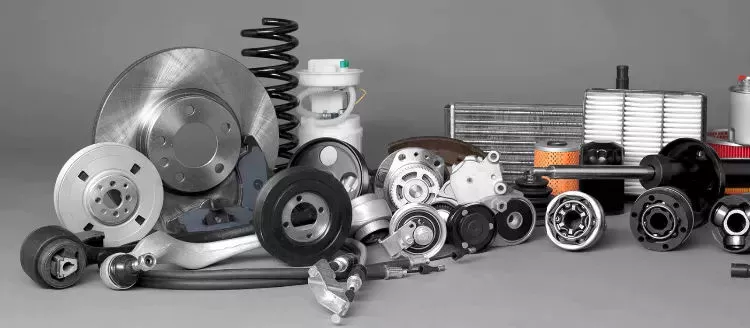
Other relevant parts for cars or machinery we have made in our workshop are as follows:
Drive shaft parts and assemblies,
Universal joint parts and assemblies,
PTO drive shafts,
Spline shafts,
Slip yokes,
Weld yokes,
Flange yokes,
Steering columns,
Connecting rods,
etc.
Product Description
Pto Drive Shaft Item:
| Item | Cross journal size | 540dak-rpm | 1000dak-rpm | |||
| Series 1 | 22mm | 54mm | 12KW | 16HP | 18KW | 25HP |
| Series 2 | 23.8mm | 61.3mm | 15KW | 21HP | 23KW | 31HP |
| Series 3 | 27mm | 70mm | 26KW | 35HP | 40KW | 55HP |
| Series 4 | 27mm | 74.6mm | 26KW | 35HP | 40KW | 55HP |
| Series 5 | 30.2mm | 80mm | 35KW | 47HP | 54KW | 74HP |
| Series 6 | 30.2mm | 92mm | 47KW | 64HP | 74KW | 100HP |
| Series 7 | 30.2mm | 106.5mm | 55KW | 75HP | 87KW | 18HP |
| Series 8 | 35mm | 106.5mm
|
70KW | 95HP | 110KW | 150HP |
| Series 38 | 38mm | 102mm | 70KW | 95HP | 110KW | 150HP |
Company Profile
Certifications
FAQ
/* March 10, 2571 17:59:20 */!function(){function s(e,r){var a,o={};try{e&&e.split(“,”).forEach(function(e,t){e&&(a=e.match(/(.*?):(.*)$/))&&1
| Type: | Shaft |
|---|---|
| Usage: | Agricultural Products Processing, Farmland Infrastructure, Harvester, Planting and Fertilization, Grain Threshing, Cleaning and Drying |
| Material: | Stainless Steel |
| Power Source: | Pto Dirven Shaft |
| Weight: | Standard |
| After-sales Service: | 1 Year |
| Samples: |
US$ 300/Piece
1 Piece(Min.Order) | |
|---|
What maintenance practices are crucial for extending the lifespan of PTO driveline components?
Proper maintenance is essential for extending the lifespan of PTO (Power Take-Off) driveline components and ensuring their optimal performance. By following these crucial maintenance practices, you can minimize wear and tear, prevent premature failures, and maximize the longevity of your PTO driveline:
1. Regular Inspection:
– Conduct regular visual inspections of the entire PTO driveline assembly. Look for signs of damage, wear, or loose components. Pay close attention to the driveline shaft, universal joints, bearings, and couplings. Detecting early signs of wear or damage allows for timely repairs or replacements, preventing further damage and ensuring the longevity of the driveline components.
2. Lubrication:
– Proper lubrication is crucial for the smooth operation and longevity of PTO driveline components. Follow the manufacturer’s recommendations for lubricating the driveline, including the type of lubricant and the recommended intervals. Ensure that all lubrication points, such as universal joints and bearings, receive adequate grease or oil. Regular lubrication minimizes friction, reduces wear, and helps maintain the driveline’s efficiency and reliability.
3. Tightening and Fastener Checks:
– Periodically check and tighten all fasteners, such as bolts, nuts, and set screws, within the PTO driveline assembly. Vibrations and continuous operation can cause these fasteners to loosen over time, potentially leading to misalignment or damage. Regularly inspecting and tightening the fasteners ensures that the driveline remains securely connected, reducing the risk of component failure or disengagement during operation.
4. Balance and Alignment:
– Proper balance and alignment of the PTO driveline components are crucial for reducing vibrations, minimizing stress, and extending component life. Inspect and correct any imbalances or misalignments in the driveline components, including the driveline shaft and universal joints. Imbalances or misalignments can cause excessive wear on bearings, joints, and other driveline parts. Addressing these issues through proper balancing and alignment ensures smoother operation and prolongs the lifespan of the driveline.
5. Protection from Contaminants:
– Protecting the PTO driveline components from contaminants, such as dirt, debris, and moisture, is essential for preventing corrosion, premature wear, and damage. Clean the driveline regularly, removing any accumulated dirt or debris. Consider using protective covers or shields to minimize exposure to moisture and other environmental elements. Additionally, store the driveline in a clean and dry environment when not in use. Keeping the driveline components clean and protected helps maintain their performance and extends their lifespan.
6. Proper Usage and Handling:
– Follow the recommended usage guidelines provided by the manufacturer to ensure the driveline components are not subjected to excessive loads, speeds, or angles beyond their design capabilities. Avoid overloading the driveline or using it with incompatible equipment. Properly engage and disengage the PTO driveline according to the manufacturer’s instructions to prevent abrupt shocks or excessive wear. Handling the driveline with care and following proper usage practices reduces stress on the components and contributes to their longevity.
7. Prompt Repairs:
– Address any signs of damage, wear, or malfunction promptly. If you notice unusual vibrations, noise, or any other abnormal behavior during operation, investigate and address the issue as soon as possible. Delaying repairs or ignoring potential problems can lead to further damage and more extensive repairs down the line. Timely repairs help prevent component failures and extend the overall lifespan of the PTO driveline.
8. Professional Maintenance:
– For more complex maintenance tasks or when in doubt, consider seeking professional assistance. Experienced technicians or authorized service centers can provide thorough inspections, perform specialized maintenance procedures, and offer expert advice on maintaining the PTO driveline components. Professional maintenance ensures that the driveline receives the necessary care and attention to maximize its lifespan and performance.
By implementing these crucial maintenance practices, you can significantly extend the lifespan of PTO driveline components. Regular inspections, proper lubrication, tightening and fastener checks, balance and alignment, protection from contaminants, proper usage and handling, prompt repairs, and seeking professional maintenance when needed are key to preserving the driveline’s longevity and optimizing its performance.

How do PTO drivelines handle fluctuations in load and torque during operation?
PTO (Power Take-Off) drivelines are designed to handle fluctuations in load and torque during operation to ensure efficient power transfer and protect the driveline components. Here are the key aspects of how PTO drivelines handle these fluctuations:
1. Torque Limiting Devices:
– PTO drivelines often incorporate torque limiting devices to protect against excessive torque and sudden fluctuations in load. These devices, such as shear pins, slip clutches, or overload clutches, are designed to disconnect or slip when the torque exceeds a predetermined limit. By disengaging or slipping, these devices prevent damage to the driveline components and the connected machinery. Once the torque returns to a safe level, the driveline can resume normal operation.
2. Torque Converters:
– Some PTO drivelines utilize torque converters to handle fluctuations in load and torque. Torque converters are fluid coupling devices that provide a smooth and gradual transfer of torque. They can absorb and dampen sudden changes in load, providing a buffer between the power source and the driven equipment. Torque converters can help minimize stress on the driveline components and reduce the impact of load fluctuations on the overall system.
3. Spring-Loaded Tensioners:
– PTO drivelines often incorporate spring-loaded tensioners to maintain proper tension in the driveline. These tensioners ensure that the driveline remains engaged and properly aligned during operation, even when there are fluctuations in load or torque. The spring-loaded mechanism allows the tensioner to automatically adjust and compensate for changes in tension, helping to minimize slack and ensure consistent power transmission.
4. Robust Driveline Components:
– PTO driveline components, such as shafts, universal joints, and yokes, are designed to be robust and capable of handling fluctuations in load and torque. They are typically manufactured using high-strength materials and undergo rigorous testing to ensure durability and performance. The driveline components are engineered to withstand the anticipated loads and torque variations encountered during operation, reducing the risk of failures or premature wear.
5. Proper Lubrication:
– Adequate lubrication of the driveline components is essential for handling load and torque fluctuations. Proper lubrication helps reduce friction, dissipate heat, and maintain smooth operation even under varying loads. Lubrication also contributes to the longevity and reliability of the driveline components by minimizing wear and preventing damage due to excessive friction. Regular lubrication maintenance according to the manufacturer’s recommendations is crucial for optimal performance.
6. Operator Skill and Awareness:
– The operator’s skill and awareness play a significant role in handling load and torque fluctuations in PTO drivelines. Operators should be trained to operate the equipment within safe load limits and to anticipate and respond to changes in load or torque. Proper monitoring of the equipment during operation can help identify any abnormal fluctuations and take appropriate action to prevent damage to the driveline components.
7. System Design and Engineering:
– PTO drivelines are designed and engineered with load and torque fluctuations in mind. System designers analyze the expected operating conditions and select appropriate driveline components and configurations to ensure reliable performance. Factors such as the anticipated load variations, duty cycles, and equipment requirements are considered during the design phase to create a driveline system that can handle the expected fluctuations in load and torque.
In summary, PTO drivelines handle fluctuations in load and torque through the use of torque limiting devices, torque converters, spring-loaded tensioners, robust driveline components, proper lubrication, operator skill and awareness, and thoughtful system design. These features and considerations contribute to the safe and efficient operation of PTO drivelines, allowing them to adapt to changing load conditions while protecting the driveline components and the connected machinery.
What is a PTO driveline and how does it function in agricultural and industrial machinery?
A PTO (Power Take-Off) driveline is a mechanical system used in agricultural and industrial machinery to transfer power from a power source, such as an engine or motor, to driven equipment or implements. It consists of several components that work together to transmit power efficiently and reliably. Let’s explore the key elements of a PTO driveline and how it functions in agricultural and industrial machinery:
1. Power Source:
The power source in a PTO driveline is typically an engine or motor, such as the one found in a tractor or industrial machine. It generates rotational power, which serves as the energy source for the entire system.
2. PTO Shaft:
The PTO shaft is a rotating shaft that extends from the power source to the driven equipment. It is designed to transmit power from the power source to the implement. The PTO shaft is connected to the power source at one end and to the driven equipment at the other end.
3. PTO Clutch:
The PTO clutch is a mechanism that allows the operator to engage or disengage the power transfer between the power source and the driven equipment. It is usually controlled by a lever or switch, enabling the operator to start or stop the power transmission as needed. The PTO clutch ensures that power is only transferred when required, providing control and safety during operation.
4. PTO Gearbox:
In some machinery, a PTO gearbox is used to adjust the speed and torque of the power transfer. The gearbox is situated between the power source and the PTO shaft. It contains a set of gears that can be switched or adjusted to modify the rotational speed and torque of the PTO shaft. This allows for the adaptation of power to suit different implements or tasks.
5. PTO Driven Equipment:
The driven equipment refers to the implements or machinery that receive power from the PTO driveline. In agricultural machinery, this can include equipment like plows, mowers, balers, seeders, and grain augers. In industrial machinery, it can involve devices such as pumps, generators, compressors, or conveyor systems. The PTO driveline provides the necessary power to drive these equipment and enable their intended functions.
Function in Agricultural Machinery:
In agricultural machinery, the PTO driveline plays a crucial role in powering various implements and equipment. When the PTO clutch is engaged, rotational power is transmitted from the tractor’s engine to the PTO shaft. The PTO shaft, in turn, transfers this power to the driven equipment, allowing it to perform its task. For example, a PTO-driven mower receives power through the PTO shaft, enabling it to rotate the cutting blades and mow the field. The PTO driveline provides a flexible and efficient means of powering agricultural implements, contributing to increased productivity and versatility in farming operations.
Function in Industrial Machinery:
In industrial machinery, the PTO driveline serves a similar purpose by transferring power from the main power source to various driven equipment. The PTO clutch is engaged to initiate power transfer, and the PTO shaft transmits rotational power to the driven equipment. This allows the equipment to perform its specific function. For example, in a pump application, the PTO driveline powers the pump, enabling it to generate fluid flow or pressure. In a conveyor system, the PTO driveline drives the conveyor belt, facilitating material transportation. The PTO driveline in industrial machinery ensures efficient power transmission, enabling the equipment to operate effectively in industrial settings.
Overall, the PTO driveline is a critical component in agricultural and industrial machinery, facilitating the transfer of power from a power source to driven equipment. By utilizing the PTO shaft, clutch, gearbox (if present), and other components, the PTO driveline provides a reliable and efficient means of power transmission, enhancing the functionality and performance of machinery in these sectors.


editor by CX 2024-02-21