Product Description
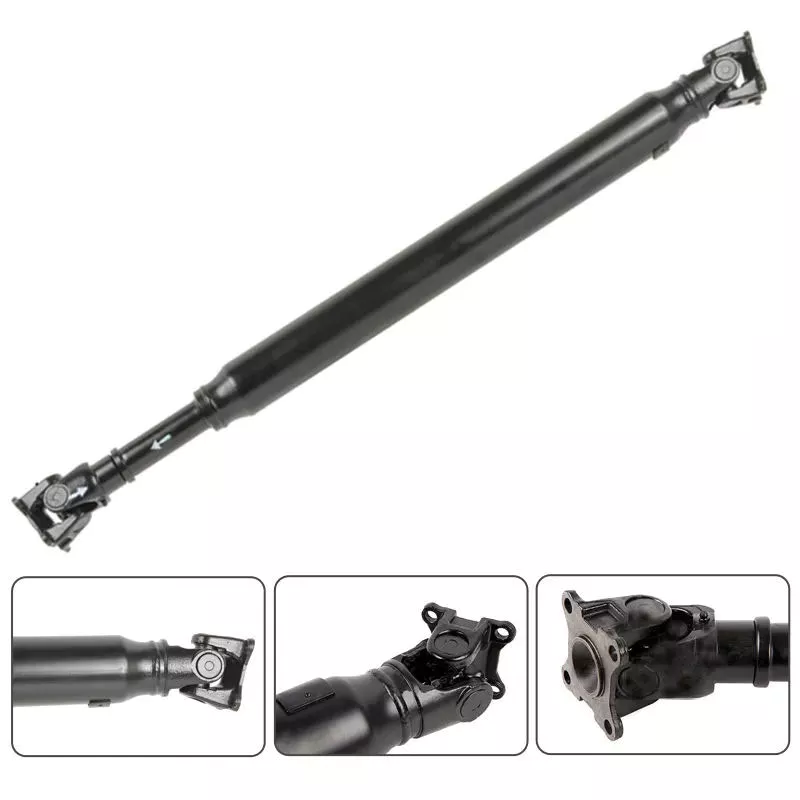
HangZhou Xihu (West Lake) Dis. Cardanshaft Co.,LTD is a leading professional manufacturer of cardan shafts in China. It is located in HangZhou ,ZheJiang Province. Our company has focused on the research and development , design and manufacture with different kinds of cardan shafts for almost 15 years.
Our producted cardan shafts are widely used in domestic large steel enterprises, such as ZheJiang Baosteel, HangZhou Iron and Steel Corporation, HangZhou Steel Corp and other domestic large-scale iron and steel enterprises.Now more products are exported to Europe, North America and Southeast Asia and other regions.
Our cardan shafts can be used to resist vibration and impact in the harsh environment of steel rolling, and the service life of cardan shafts is longer. We can also customize the special connection modes of cardan shafts in accordance of customers’ requirements .High precision, flexible joints, easy installation, perfect after-sales service and so on are highlight features of our products.
1.Product specification
1, advance technology
2, high accuracy and closely structure
3, high quality, the best price and good services
4, Strictly quality control by ISO9001: 2008.
5, with R&D Dept, OEM is available
2. About our advantages
1). With 10 years experience and professional OEM / ODM
2). Advance technology and R&D Dept with rich experience
3). Delivery in time
4).Competitive and reasonable price
5). High reputation
3.About our products
4.Application
Universal shafts with spider for industrial application commonly refer to cardan shaft .It is 1 of the most widely used transmission components. Our products are widely supplied to rubber and plastics machineries, petroleum machineries, wind-power testing equipments and bullet trains testing equipments, boat, agriculture machines etc.
Brief Introduction
Processing flow
Applications
Quality Control
Welcome to contact us if you are interested in products and want further details.
Looking CHINAMFG to cooperating with you!
/* January 22, 2571 19:08:37 */!function(){function s(e,r){var a,o={};try{e&&e.split(“,”).forEach(function(e,t){e&&(a=e.match(/(.*?):(.*)$/))&&1
| Material: | Alloy Steel |
|---|---|
| Load: | Drive Shaft |
| Stiffness & Flexibility: | Stiffness / Rigid Axle |
| Journal Diameter Dimensional Accuracy: | IT6-IT9 |
| Axis Shape: | Straight Shaft |
| Shaft Shape: | Hollow Axis |
| Customization: |
Available
| Customized Request |
|---|
What maintenance practices are crucial for extending the lifespan of PTO driveline components?
Proper maintenance is essential for extending the lifespan of PTO (Power Take-Off) driveline components and ensuring their optimal performance. By following these crucial maintenance practices, you can minimize wear and tear, prevent premature failures, and maximize the longevity of your PTO driveline:
1. Regular Inspection:
– Conduct regular visual inspections of the entire PTO driveline assembly. Look for signs of damage, wear, or loose components. Pay close attention to the driveline shaft, universal joints, bearings, and couplings. Detecting early signs of wear or damage allows for timely repairs or replacements, preventing further damage and ensuring the longevity of the driveline components.
2. Lubrication:
– Proper lubrication is crucial for the smooth operation and longevity of PTO driveline components. Follow the manufacturer’s recommendations for lubricating the driveline, including the type of lubricant and the recommended intervals. Ensure that all lubrication points, such as universal joints and bearings, receive adequate grease or oil. Regular lubrication minimizes friction, reduces wear, and helps maintain the driveline’s efficiency and reliability.
3. Tightening and Fastener Checks:
– Periodically check and tighten all fasteners, such as bolts, nuts, and set screws, within the PTO driveline assembly. Vibrations and continuous operation can cause these fasteners to loosen over time, potentially leading to misalignment or damage. Regularly inspecting and tightening the fasteners ensures that the driveline remains securely connected, reducing the risk of component failure or disengagement during operation.
4. Balance and Alignment:
– Proper balance and alignment of the PTO driveline components are crucial for reducing vibrations, minimizing stress, and extending component life. Inspect and correct any imbalances or misalignments in the driveline components, including the driveline shaft and universal joints. Imbalances or misalignments can cause excessive wear on bearings, joints, and other driveline parts. Addressing these issues through proper balancing and alignment ensures smoother operation and prolongs the lifespan of the driveline.
5. Protection from Contaminants:
– Protecting the PTO driveline components from contaminants, such as dirt, debris, and moisture, is essential for preventing corrosion, premature wear, and damage. Clean the driveline regularly, removing any accumulated dirt or debris. Consider using protective covers or shields to minimize exposure to moisture and other environmental elements. Additionally, store the driveline in a clean and dry environment when not in use. Keeping the driveline components clean and protected helps maintain their performance and extends their lifespan.
6. Proper Usage and Handling:
– Follow the recommended usage guidelines provided by the manufacturer to ensure the driveline components are not subjected to excessive loads, speeds, or angles beyond their design capabilities. Avoid overloading the driveline or using it with incompatible equipment. Properly engage and disengage the PTO driveline according to the manufacturer’s instructions to prevent abrupt shocks or excessive wear. Handling the driveline with care and following proper usage practices reduces stress on the components and contributes to their longevity.
7. Prompt Repairs:
– Address any signs of damage, wear, or malfunction promptly. If you notice unusual vibrations, noise, or any other abnormal behavior during operation, investigate and address the issue as soon as possible. Delaying repairs or ignoring potential problems can lead to further damage and more extensive repairs down the line. Timely repairs help prevent component failures and extend the overall lifespan of the PTO driveline.
8. Professional Maintenance:
– For more complex maintenance tasks or when in doubt, consider seeking professional assistance. Experienced technicians or authorized service centers can provide thorough inspections, perform specialized maintenance procedures, and offer expert advice on maintaining the PTO driveline components. Professional maintenance ensures that the driveline receives the necessary care and attention to maximize its lifespan and performance.
By implementing these crucial maintenance practices, you can significantly extend the lifespan of PTO driveline components. Regular inspections, proper lubrication, tightening and fastener checks, balance and alignment, protection from contaminants, proper usage and handling, prompt repairs, and seeking professional maintenance when needed are key to preserving the driveline’s longevity and optimizing its performance.
Are there any limitations or challenges associated with using PTO driveline systems?
While PTO (Power Take-Off) driveline systems offer numerous benefits, there are also certain limitations and challenges associated with their use. Here are some of the key considerations:
1. Safety Risks:
– PTO driveline systems can pose safety risks if not handled properly. The rotating components of the driveline, such as the shafts, yokes, and universal joints, can cause serious injuries if operators come into contact with them while in motion. It is crucial to follow proper safety procedures, including the use of shields, guards, and safety devices, to prevent accidents. Adequate training and awareness about the potential hazards associated with PTO driveline systems are essential.
2. Maintenance and Lubrication:
– PTO driveline systems require regular maintenance and lubrication to ensure optimal performance and longevity. The universal joints, splines, and other moving parts need to be inspected, cleaned, and properly lubricated according to the manufacturer’s recommendations. Neglecting maintenance can lead to premature wear, increased friction, and potential failures, compromising the driveline’s efficiency and reliability.
3. Alignment and Misalignment:
– Proper alignment between the power source and the driven equipment is crucial for efficient power transfer in PTO driveline systems. Misalignment can result in increased vibration, excessive wear, and reduced power transmission efficiency. Achieving and maintaining proper alignment can be challenging, especially when connecting the driveline to equipment with varying mounting heights, angles, or misaligned driveline components. Operators need to carefully align the driveline to minimize stress and ensure smooth operation.
4. Length and Compatibility:
– PTO driveline systems need to be appropriately sized and compatible with the specific equipment and applications they are intended for. Variations in length, connection types, and torque requirements among different equipment can pose challenges in selecting the right driveline. Ensuring proper compatibility and fit between the driveline and the equipment is crucial for optimal power transmission and safety. Customization or adaptation may be necessary in certain cases, which could add complexity and cost.
5. Torque Overload and Protection:
– PTO driveline systems are susceptible to torque overload, especially when the driven equipment encounters sudden resistance or obstructions. Excessive torque can lead to driveline component failures, such as universal joint breakage or shear pin failure, potentially causing damage to the driveline or other connected components. Proper protection mechanisms, such as shear pins, slip clutches, or overload clutches, should be employed to prevent damage and ensure operator safety.
6. Noise and Vibration:
– PTO driveline systems can generate significant noise and vibration during operation. The rotating components, imbalances, misalignments, or worn-out components can contribute to increased noise levels and vibration. Excessive noise and vibration not only affect operator comfort but can also lead to component fatigue and premature wear. Employing appropriate vibration dampening techniques, balancing the driveline components, and using vibration-absorbing materials can help mitigate these issues.
7. Environmental Factors:
– PTO driveline systems may be exposed to various environmental factors, such as dust, debris, moisture, and temperature extremes. These factors can impact the driveline’s performance and longevity. Dust and debris can accumulate in the driveline components, leading to increased friction and wear. Moisture and corrosive environments can cause rust and degradation of driveline parts. Extreme temperatures can affect the lubrication properties and material integrity. Regular inspection, cleaning, and appropriate protection measures are essential to mitigate the impact of environmental factors.
In summary, while PTO driveline systems offer significant advantages, there are limitations and challenges that need to be addressed for safe and efficient operation. These include safety risks, maintenance requirements, alignment considerations, compatibility issues, torque overload protection, noise and vibration management, and the impact of environmental factors. By understanding and addressing these challenges, operators can ensure the proper functioning and longevity of PTO driveline systems.

What are the key components of a PTO driveline system and how do they work together?
A PTO (Power Take-Off) driveline system consists of several key components that work together to facilitate power transmission from a power source to driven equipment. Each component plays a specific role in ensuring the efficient and reliable transfer of rotational power. Let’s explore the key components of a PTO driveline system and how they work together:
1. Power Source:
The power source in a PTO driveline system is typically an engine or motor, such as the one found in a tractor or industrial machine. The power source generates rotational power, which serves as the energy source for the entire system. The power generated by the engine is harnessed and transferred to the PTO driveline for further transmission.
2. PTO Shaft:
The PTO shaft is a rotating shaft that extends from the power source to the driven equipment. It is the primary component responsible for transmitting power from the power source to the implement. The PTO shaft is connected to the power source at one end, typically through a PTO coupling, and to the driven equipment at the other end. As the power source rotates, the rotational motion is transferred along the PTO shaft to drive the implement.
3. PTO Clutch:
The PTO clutch is a mechanism that allows the operator to engage or disengage the power transfer between the power source and the driven equipment. It is usually controlled by a lever or switch within easy reach of the operator. When the PTO clutch is engaged, the power from the power source is transmitted through the PTO shaft to the implement. Conversely, disengaging the PTO clutch interrupts the power transfer, ensuring that power is only transmitted when needed. The PTO clutch provides control and safety during operation, allowing the operator to start or stop power transmission as required.
4. PTO Gearbox:
Some machinery may incorporate a PTO gearbox between the power source and the PTO shaft. The PTO gearbox is responsible for adjusting the rotational speed and torque of the power transfer. It contains a set of gears that can be switched or adjusted to modify the speed and torque output of the PTO shaft. By changing the gear ratios, the PTO gearbox allows operators to adapt the power transmission to suit different implements or tasks. This enables the use of implements that require varying rotational speeds or different levels of torque, enhancing the versatility of the PTO driveline system.
5. PTO Driven Equipment:
The driven equipment refers to the implements or machinery that receive power from the PTO driveline system. This can include a wide range of equipment, such as mowers, balers, sprayers, augers, pumps, or generators. The PTO driveline system transfers rotational power from the power source through the PTO shaft to the driven equipment, enabling them to perform their specific functions. The driven equipment may have input shafts or connections designed to receive the PTO shaft and convert the rotational power into the desired output, such as cutting, baling, spraying, or generating electricity.
These key components of a PTO driveline system work together in a coordinated manner to achieve effective power transmission. The power generated by the engine is transferred through the PTO clutch to the PTO shaft. If a PTO gearbox is present, it can adjust the speed and torque of the power before it reaches the driven equipment. The PTO shaft then transmits the rotational power to the driven equipment, allowing them to perform their intended functions. The operator has control over the power transmission process through the PTO clutch, enabling them to start or stop the power transfer as needed.
Overall, the key components of a PTO driveline system collaborate to provide a reliable and efficient means of power transmission from the power source to the driven equipment. This facilitates a wide range of agricultural and industrial applications, enhancing the functionality, versatility, and productivity of machinery in these sectors.


editor by CX 2024-03-11