Beschrijving
Core Technology Overview: Power Dynamics in Rotary Mowing Operations
In the rigorous theater of modern agricultural mechanization, the rotary mower (or slasher) stands as the primary line of defense for pasture management, orchard weed control, and massive land clearing. Specifically engineered for the unrelenting terrains of Australia—from the dense, woody scrub of Queensland to the hard-baked, rocky soils of New South Wales—the power bridge between the tractor and the mower deck faces catastrophic physical challenges. The PTO drive shaft is not merely a spinning tube; it is the critical dynamic artery that must continuously absorb, transmit, and survive violent reverse torques and instantaneous shock loads caused by mower blades striking hidden eucalyptus stumps or granite boulders.
Standard commercial drivelines inevitably fail under these parameters, exhibiting sheared universal joints, shattered plastic guards, or twisted profile tubes. Leveraging over two decades of metallurgical and mechanical manufacturing expertise, EVER-POWER has entirely reconstructed the kinematic relationship between tractor power take-offs and implement gearboxes. Our heavy-duty agricultural drivelines utilize proprietary high-frequency quenched 20CrMnTi alloy steel and reinforced telescopic sliding profiles. Integrated with hypersensitive slip clutch mechanisms, these shafts operate flawlessly at 540 RPM or 1000 RPM, maintaining a vibrational threshold strictly below 0.15 mm/s, ensuring lossless kinetic transfer while completely safeguarding your machinery.
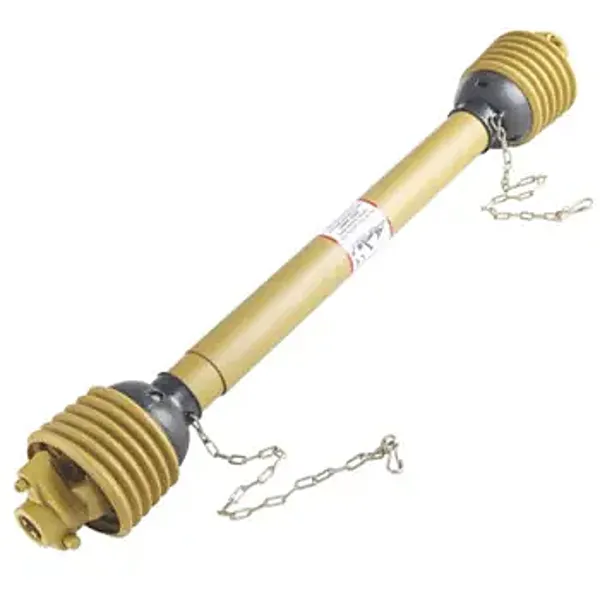
Figure 1: High-strength PTO transmission shaft featuring an integrated friction slip clutch, designed for high-impact slashing applications.
Kinematic Operating Principles: How the Power Flows
Within the rotary mower’s operational ecosystem, the PTO shaft acts as the sole “kinetic aorta.” Positioned precisely between the splined output stub at the rear of the tractor and the input shaft of the right-angle gearbox mounted on the mower deck, its operational physics encompass several critical phases:
- ⚙️Engagement & Torque Initiation: Rotational energy from the tractor’s engine, stepped down through the internal transmission, is delivered to the 1-3/8″ 6-spline (or 21-spline) output. The tractor yoke of the driveline, secured via a quick-disconnect pin, captures this rotational force.
- 📐Angular Compensation: As the tractor navigates the undulating topography of the Victorian highlands, the relative height and angle between the tractor and the trailed or 3-point mounted mower fluctuate wildly. The universal joints (U-joints) at both extremities permit the power to traverse deflection angles up to 25° continuously (and up to 80° with our Wide-Angle Constant Velocity joints) without mechanical binding or kinematic stutter.
- 📏Telescopic Adaptation: When the operator raises or lowers the implement via the hydraulic 3-point hitch, the physical distance between the two machines expands or contracts. The precision-drawn triangular or lemon-profile tubes slide longitudinally inside one another, absorbing these variable lengths seamlessly.
- 🛡️Overload Dissipation: Should the heavy rotating blade carrier impact an immovable object, creating a massive torque spike, the implement-end safety device (specifically our preset friction slip clutch) activates within milliseconds. The friction discs slip, dissipating the destructive kinetic energy as heat, thus preventing the shockwave from snapping the tractor’s internal PTO gearing or obliterating the mower’s right-angle gearbox.
Dynamic System Selection Matrix: 25-Point Engineering Specifications
To accommodate the vast spectrum of tractor horsepower ratings and slasher cutting widths, we provide a mathematically rigorous technical matrix. These parameters—ranging from geometric tolerances to metallurgical hardness—define our standard production runs and dictate our custom OEM manufacturing capabilities:
| Technische parameter | Specification / Rating Standard | Application Note |
|---|---|---|
| Compatible Series Categories | Series 4, Series 5, Series 6, Series 8 | Matches 35HP to 150HP+ Tractors |
| Cross Journal Dimensions (U-Joint) | 27×74.6mm / 30.2x92mm / 34.9x106mm | Forged alloy, case-hardened depth 0.8-1.2mm |
| Continuous Torque Rating (540 RPM) | 460 Nm up to 2100 Nm | Nominal continuous dynamic load |
| Continuous Torque Rating (1000 RPM) | 380 Nm up to 1700 Nm | High-velocity, lower torque applications |
| Maximum Peak Shock Torque | Exceeds 4500 Nm (Series 8) | Instantaneous blade stoppage resistance |
| Tractor End Interface | 1-3/8″ 6-Spline or 1-3/8″ 21-Spline | Includes push-pin or collar lock mechanism |
| Implement End Interface | 1-3/8″ 6-Spline, 1-3/4″ 20-Spline, Plain Bore w/ Keyway | Customized to mower gearbox input shaft |
| Telescopic Tube Profile | Triangular / Lemon / Star configurations | Optimized contact patch for low sliding resistance |
| Tube Wall Thickness | 3.2mm – 6.0mm (Cold-drawn precision steel) | Mitigates radial twisting fatigue under load |
| Standard Closed Length (Lmin) | 800mm / 1000mm / 1210mm / 1500mm | Measured cross-to-cross center |
| Maximum Extended Length (Lmax) | Lmin + Approx 1/3 (Requires minimum overlap) | Tube overlap must strictly exceed 2x tube diameter |
| Primary Safety Override Device | Friction Slip Clutch (2-disc or 4-disc layout) | Standard mandate for heavy slashing operations |
| Alternative Safety Mechanism | Shear Bolt Yoke assembly | Cost-effective, single-use severance protection |
| Max Operational Deflection Angle | 20° – 25° (Continuous load bearing) | Up to 45° for momentary lifting at idle |
| Wide-Angle Compatibility | 80° Constant Velocity (CV) Joint integration | Permits extreme turning maneuvers under power |
| Protective Shield Material | High-impact modified Polyamide with UV Stabilizers | Compliant with CE and Australian WHS regulations |
| Environmental Shield Stress Tests | -35°C to +85°C thermal stability; 120hr salt spray | Guaranteed against premature sun-brittleness |
| U-Joint Lubrication Interval | Every 50 operational hours (8 hours for heavy load) | Equipped with standardized Zerk grease fittings |
| Lubrication Specification | NLGI Grade 2 Extreme Pressure (EP) Lithium Grease | Maintains critical hydrodynamic film in needle bearings |
| Anti-Corrosion Metallurgy | Black oxide conversion or yellow zinc dichromate | Prevents rust seizure during off-season storage |
| Dynamic Balancing Precision | ISO 1940 Quality Grades G6.3 to G16 | Eliminates destructive harmonic resonance at 1000 RPM |
| Flange Runout Tolerance | Strictly < 0.15 mm | Ensures flawless axial alignment with gearboxes |
| Tensile Fatigue Cycle Life | > 1,000,000 push-pull cycles in lab environment | Validates the wear-resistance of the sliding profiles |
| Bearing Seal Architecture | Multi-lip elastomeric seals | Impervious to grass wraparound, mud slurry, and dust |
| OEM Customization Scope | Custom overall lengths, proprietary splines, exact color matching | Full engineering support from blueprint to mass production |
Empirical Performance Advantages Over Standard Aftermarket Units
Rather than relying on vague terms like “high quality,” EVER-POWER engineering is defined by concrete metallurgical and operational data. Operating consistently at 1000 RPM with a thermal recovery rate of 95%, our drivelines outlast conventional units in nearly every quantifiable metric.
1. Metallurgical Fatigue Resistance
Substandard PTO shafts often utilize recycled carbon steel, prone to plastic deformation when subjected to instantaneous blade-lock shockwaves. EVER-POWER utilizes 20CrMnTi alloy steel for U-joints and splined yokes, subjected to rigorous carburizing heat treatments. The cross journal surface hardness is stabilized between HRC 58-62, while the core retains extreme toughness, yielding an anti-fracture strength 35% higher than prevailing industry benchmarks.
2. Ultra-Low Sliding Resistance
Slasher environments are saturated with abrasive dust. We engineered precise tolerance gaps in our triangular and lemon profile tubes, applying advanced surface polishing and anti-oxidation coatings. This profoundly reduces the axial thrust load generated during telescoping action. When the tractor traverses uneven terrain, the tubes slide effortlessly, preventing massive linear forces from destroying the tapered roller bearings inside the mower’s right-angle gearbox.
3. Precision-Calibrated Friction Slip Clutches
The primary nightmare of rotary mowing is striking concealed granite or dense tree stumps. Our friction clutches utilize heavy-duty, asbestos-free friction discs. Factory-calibrated with precise spring tension (e.g., set to slip exactly at 1200 Nm), the clutch slips smoothly upon impact, dissipating the catastrophic energy. Once the obstruction is cleared, it immediately resumes full torque transmission without the frustrating downtime of replacing sheared bolts.
4. Eradicating Destructive Resonance
Because agricultural drivelines are long, even marginal mass eccentricities induce violent harmonic vibrations at 1000 RPM, rapidly destroying oil seals and shattering bearings. Post-assembly, every EVER-POWER shaft undergoes digital dynamometer testing and balancing, precise down to the gram. Field tests confirm operational amplitudes remain well below 0.15 mm/s, delivering an exceptionally smooth ride for the tractor operator.
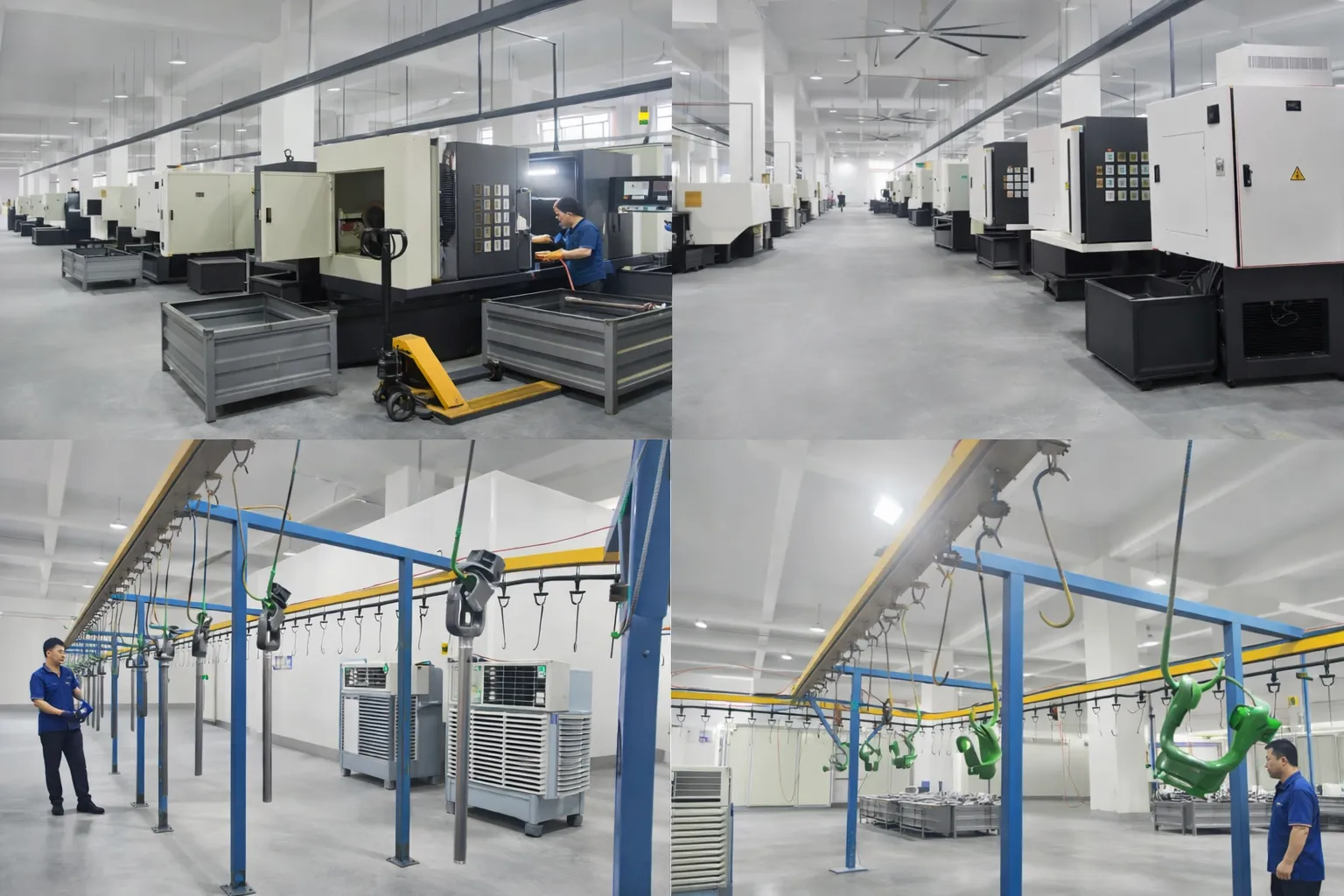
Figure 2: Precision CNC multi-axis machining centers in our facility ensure every flange runout tolerance is strictly maintained under 0.15mm.
OEM Brand Compatibility & Cross-Reference Architecture
Farm managers and heavy machinery repair centers constantly face the fiscal pressure of exorbitant OEM replacement parts. EVER-POWER drivelines are strictly engineered to international ISO dimensional standards, offering seamless dimensional matchmaking while frequently exceeding the durability thresholds of original factory equipment. We provide drop-in replacement assemblies and consumable components (such as cross kits, friction plates, and plastic shield cones) that perfectly align with the architectures of the world’s most prevalent transmission brands.
Our engineering matrix seamlessly replaces components categorized under the following proprietary systems:
- Comer Industries® Specification (e.g., V/T Series, Series 4-8)
- Walterscheid® / GKN® (e.g., W Series, PoweDrive)
- Bondioli & Pavesi® (SFT Series, Global Series)
- Weasler® Engineering Metric & North American Profiles
- John Deere® OEM Rotary Cutter Drivelines
- Kuhn®, Bush Hog®, Woods® Heavy Duty Slashers
Australian Extreme Condition Field Study & WHS Safety Compliance
Across the vast agrarian landscapes of Australia, agricultural machinery is subjected to systemic abuse. From the tropical, vine-choked humidity of Queensland to the arid, heavily compacted grazing lands of New South Wales and Victoria, the environment acts as a relentless abrasive. Brutal ultraviolet (UV) radiation can embrittle and shatter standard plastic driveline guards within a single season, while airborne red dust rapidly grinds away unsealed bearings.
Surpassing the Rigors of the WHS Act and AS/NZS Standards
Australia’s Work Health and Safety (WHS) legislation maintains a zero-tolerance policy regarding PTO driveline shielding. Operating equipment with fractured or missing guards not only invites massive regulatory fines from SafeWork inspectors but is a primary vector for catastrophic farm fatalities. EVER-POWER shafts are built in strict compliance with AS/NZS mechanical guarding regulations:
- Full-Enclosure Master Shielding: We utilize stationary shield technology equipped with anti-rotation safety chains. Even as the internal steel core spins at a lethal 1000 RPM, the exterior polymer sheath remains completely stationary, eradicating the risk of clothing entanglement.
- Anti-UV Polymer Formulation: To combat the searing outback sun of Western Australia and the Northern Territory, we inject proprietary UV-stabilizing agents into our polyamides, extending the shield’s structural integrity by over 300% compared to standard European imports.
- Retractable Maintenance Cones: Recognizing the high labor costs on Australian stations, we engineered quick-release, retractable cones at the yoke ends. Operators can easily pull back the guard to apply grease or adjust clutch tension without dismantling the entire assembly, ensuring maintenance is never skipped due to frustration.
Rapid Selection Guide for Rotary Mower Drivelines
Procuring the incorrect driveline is a fast track to shattered gearboxes or operator injury. Before generating a purchase order, cross-reference your machinery with these five mandatory engineering parameters:
| Verification Step | Data Required from Operator | Consequences of Miscalculation |
|---|---|---|
| Step 1: Tractor HP & RPM | Is your PTO output 540 RPM or 1000 RPM? What is the maximum PTO horsepower? | Installing a Series 4 shaft on a 100HP tractor will result in instant torsional shearing upon the first blade strike. |
| Step 2: Spline Profiling | Measure both tractor output (usually 1-3/8″ Z6) and the mower gearbox input (splined vs. smooth round bore with keyway). | Mismatched splines cause severe play, leading to high-frequency vibrations that pulverize the connection pins. |
| Step 3: Safety Clutch Sizing | For slashers, ALWAYS specify a Friction Slip Clutch over a basic Shear Bolt. | A rigid tube without a clutch will transmit the shockwave backward, completely annihilating the tractor’s internal transmission. |
| Step 4: Length & Overlap | Measure the cross-to-cross distance when the tractor and mower are level. Maintain at least 1/3 tube overlap. | Too long: The shaft bottoms out when lifted, destroying bearings. Too short: The tubes pull apart while spinning, creating a lethal rotating whip. |
| Step 5: Articulation Angle | Do you need to keep the PTO engaged during sharp headland turns? If yes, specify a Wide Angle (80° CV) joint. | Forcing a standard joint beyond 30° under load will superheat and shatter the needle bearings within minutes. |
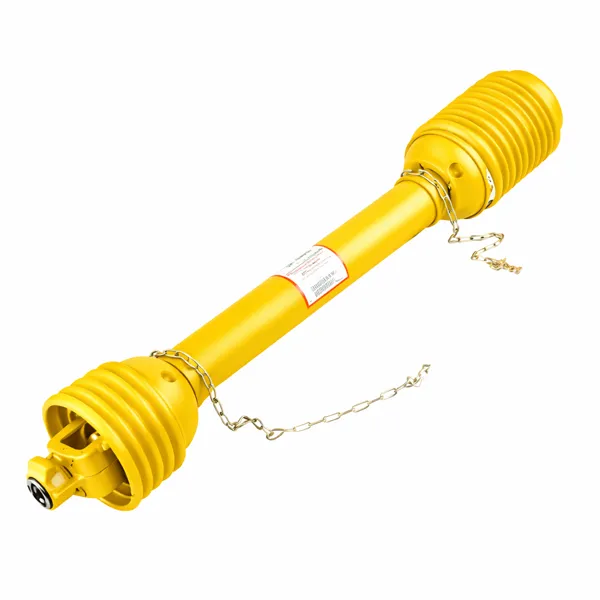
Figure 3: Proper assembly of the telescopic PTO drive shaft, ensuring the protective shield covers all rotating metal components.
Targeted Installation Protocol for Rotary Implement Assemblies
- Bottom-Out Measurement & Slicing: Connect the slasher to the tractor’s 3-point linkage. Raise or lower the geometry until the tractor PTO stub and mower gearbox stub are at their absolute closest distance (usually horizontally parallel). Hold the un-separated shaft sections side-by-side. Mark the overlap. You must cut exactly equal amounts off both the inner tube, outer tube, and both plastic shields. Deburr all steel edges with a file and coat generously with lithium grease.
- Directional Orientation: The heavy, bulky end housing the friction slip clutch must ALWAYS be installed on the implement (mower) side. This minimizes the rotational inertia mass that the tractor must abruptly spin up when engaging the PTO lever.
- Lock-Pin Verification: Depress the quick-release pin (or pull back the locking collar) and slide the yoke onto the tractor’s splined shaft until you hear a distinct metallic “click”. Critically, aggressively pull backward on the shaft to ensure the locking pin is fully seated in the spline’s circumferential groove. Failure to lock causes the shaft to launch like a missile at 540 RPM.
- Shield Anchorage: Secure the anti-rotation chains located at both ends of the plastic shield. Clip one to the tractor’s master shield eyelet and the other to the mower’s deck structure. Allow enough slack for the implement to be fully raised without snapping the chain, but ensure it cannot wrap around the spinning tube.
- Clutch Slipping (Mandatory Pre-Flight Check): If the clutch is new or the equipment has been stored over winter, the friction plates will rust and bond to the steel pressure plates, effectively turning the clutch into a rigid piece of iron. Loosen all compression nuts evenly until spring pressure is zero. Engage the PTO at idle speed and allow the clutch to deliberately slip and smoke slightly for 3 seconds to burnish off the rust. Stop the machine, and re-tighten the nuts to the exact spring compression length specified in the manual.
Operational Troubleshooting & Diagnostic Triage
💬 Humanized Field Diagnostic: The Brazilian Coffee Plantation Crisis
Pijnpunt van de klant: “Our slasher’s previous aftermarket drivelines kept twisting like pretzels every time we hit hidden coffee roots, completely killing our maintenance budget and leaving grass overgrown during monsoon season.”
EVER-POWER-oplossing: “By switching them to our Series 6 heavy-duty shaft utilizing a 4-disc friction clutch (rated for 1500 Nm slippage), the client in Minas Gerais eliminated catastrophic gearbox fractures completely. The clutch smoothly absorbs the root impacts, reducing their replacement parts cost by 60% in the first quarter alone.”
🔥Symptom: U-Joint Turning Blue & Bearings Disintegrating
Root Cause: Severe lubrication starvation or exceeding the maximum articulation angle.
Remedy: Check if the linkage geometry forces the shaft to run continuously beyond 25 degrees. If angles are correct, the operator has ignored the strict 8-hour greasing interval, causing dry metal-on-metal friction. Purge and pack new cross assemblies with EP2 Lithium grease until the old grease flows out of the seals.
📉Symptom: Violent Shaking Transmitted to the Cab
Root Cause: Phasing misalignment or bent telescopic tubes.
Remedy: If the operator separated the two halves of the shaft and reassembled them blindly, the yokes on either end are no longer aligned in the same physical plane (out of phase). This creates massive non-constant velocity vibrations. Pull the halves apart, align the indicator arrows/marks on the tubes, and reinsert. If the steel tube itself is visibly bowed, the entire shaft must be scrapped.
💨Symptom: Slasher Blades Losing RPM / Burning Smell
Root Cause: Premature friction clutch slippage under normal load.
Remedy: The compression springs have lost their tension, or the asbestos-free friction discs have worn down below their minimum thickness tolerance (usually < 2.5mm). Re-calibrate the spring length to increase plate clamping force. If the discs are charred black and brittle, replace the entire disc set immediately to prevent heat-warping the surrounding steel flanges.
💥Symptom: Shear Bolts Snapping Immediately Upon Startup
Root Cause: Excessive startup inertia shock or incorrect bolt grading.
Remedy: The tractor operator is dumping the PTO clutch lever while the engine is at high RPMs. The massive weight of the slasher blade carrier resists spinning, snapping the bolt. Always engage PTO at dead idle. Additionally, verify the operator hasn’t replaced a specialized Grade 8 shear bolt with a cheap hardware-store Grade 2 bolt, which lacks the required shear strength.
Engineer’s Field Notes: Surviving the Global Mowing Gauntlet
Based on our 15-year factory case files servicing extreme agricultural zones globally, theoretical design means nothing without field validation. Here are direct transcriptions from our lead application engineers.
📍 Case Log 1: New South Wales, Australia — The Eucalyptus Hardwood Challenge
“At a 5,000-acre sheep station 300km inland from Sydney, the client was running a 120 HP tractor pulling a 6-foot heavy slasher to clear land littered with petrified eucalyptus stumps. The OEM Series 4 shaft was snapping cross journals clean in half. Based on this field data, we upgraded them to our Series 6 Heavy-Wall Shaft combined with a 4-plate friction clutch. Over the next month of brutal clearing, the clutch successfully intervened 14 times. The station manager’s review: ‘The heat recovery and precise slip of that clutch saved my tractor’s $15,000 internal gearbox. We haven’t had a single mechanical failure since the upgrade.'”
📍 Case Log 2: Waikato, New Zealand — High-Articulation in Muddy Terrain
“Dairy farms in NZ feature steeply undulating hills and deep drainage ditches. The farmer complained that standard U-joints were binding and knocking violently when executing sharp turns at the end of a row. We engineered a custom driveline featuring an 80° Wide Angle Constant Velocity (CV) Joint on the tractor end. This completely eliminated the kinematic binding, allowing the operator to execute tight U-turns without disengaging the PTO, boosting their daily mowing acreage by 20%. Our multi-lip seal technology also successfully locked out the acidic mud.”
📍 Case Log 3: Free State, South Africa — The Abrasive Dust Nightmare
“In the arid dry season, suspended silica dust acts like grinding paste. The client reported that telescopic tubes were wearing out in just 3 months, becoming incredibly sloppy. We implemented a design pivot, integrating PTFE (Teflon) wiper rings at the junction of the inner and outer sliding profiles, and transitioned them to a Star-Profile tube which offers less surface area for dust to trap. After 18 months of continuous tracking, tube wall wear had plummeted by 85%.”
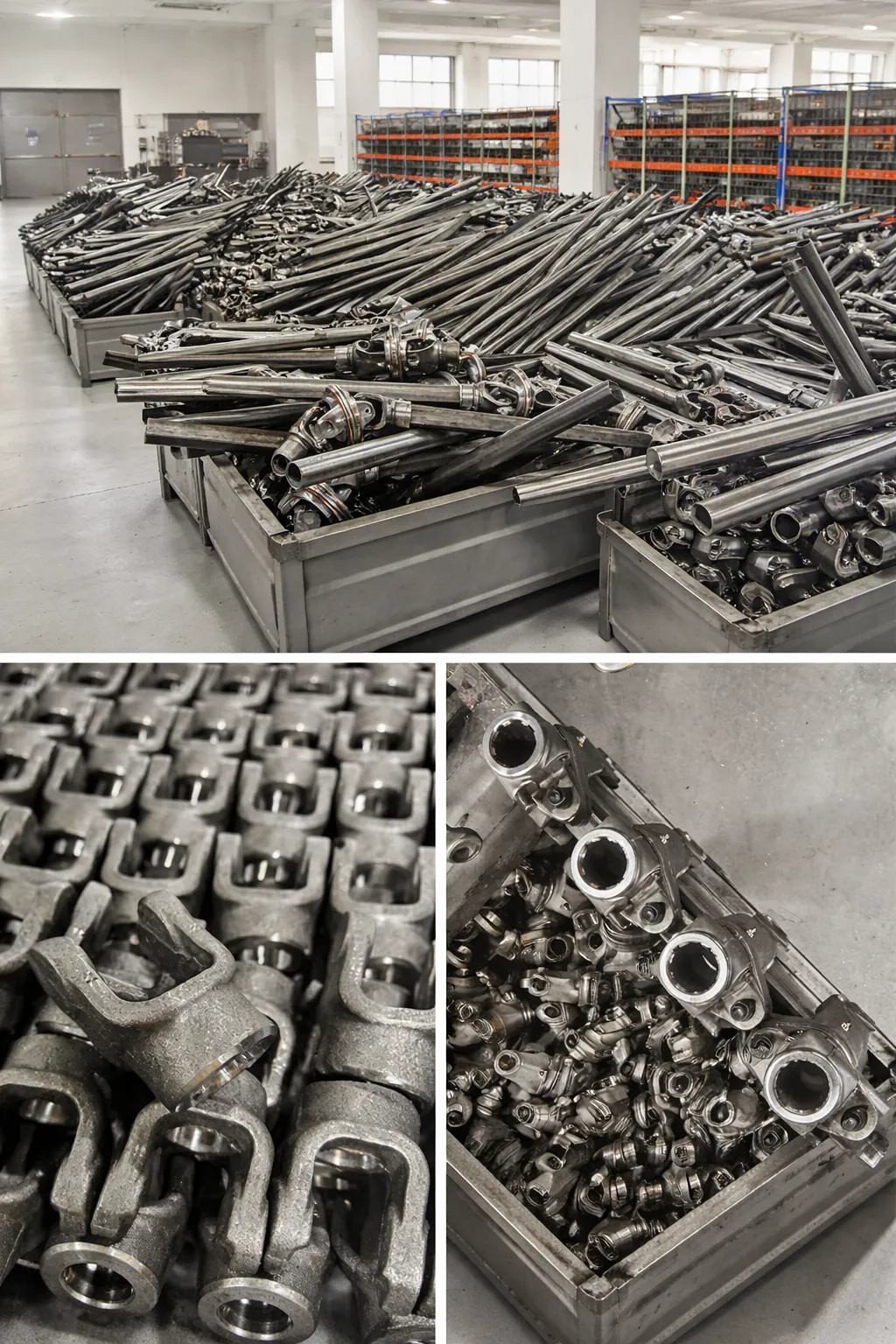
Core Troubleshooting & Technical Inquiries
Q1: My slasher’s original driveline is a very heavy, solid square bar. Can I safely replace it with your hollow profile tubes?
Yes, and it is highly recommended. Modern premium drivelines utilize cold-drawn precision hollow tubes (like triangular or star profiles). Their torsional rigidity and yield strength actually exceed that of older solid bars, while drastically reducing the massive unsprung weight. Lighter shafts reduce the centrifugal bending forces and save the bearings in your tractor’s PTO housing from premature wear.
Q2: What should I do if my friction slip clutch gets soaked in rain and rusts over the winter?
If the machine sits idle for more than a month in damp conditions, you must perform a “clutch slipping procedure” before field use. Loosen all the compression bolts on the clutch housing slightly. Engage the tractor PTO at a very low RPM and force the implement to slip for about 3 to 5 seconds. This burns off the moisture and rust that binds the plates. Stop, and retighten the bolts to the exact factory spec. If you fail to do this, the rusted clutch acts as a solid piece of steel and offers zero overload protection.
Q3: Why does my driveline make a loud knocking or chattering sound when I turn corners?
This indicates that your turning angle has exceeded the maximum design geometry of a standard U-joint (typically anything beyond 25-30 degrees). At this extreme angle, the steel yokes begin physically colliding with each other (chattering), and the rotational speed becomes non-uniform. To fix this, you must either disengage the PTO clutch before making sharp turns, or upgrade to a driveline equipped with an 80-degree Wide Angle CV Joint.
Ecological Power Integration: High-Performance Agricultural Gearboxes & Components
A superior agricultural power transmission ecosystem cannot end at the telescopic tubing. Energy originating from the tractor’s massive diesel flywheel, bridged across the dynamic void by the PTO shaft, must ultimately be received and redirected with absolute precision by the implement’s core organ—the Agricultural Gearbox. If the driveline serves as the vascular system of the machinery, the right-angle gearbox operates as its beating heart. At EVER-POWER, we refuse to treat these systems as isolated components. We engineer a complete, closed-loop kinematic solution. Driven by our arsenal of multi-axis CNC machining centers and advanced gear-hobbing foundries, we mass-produce right-angle gearboxes specifically tailored to the savage realities of rotary slashers, heavy-duty tillers, and broadacre fertilizer spreaders.
The Engineering Philosophy of Rotary Mower Gearboxes
The internal environment of a slasher gearbox is arguably one of the most abusive mechanical arenas in modern industry. As the heavy steel blade carrier spins at terrifying peripheral speeds just inches above the soil, every rock strike sends a violent, counter-rotational shockwave directly up the vertical output shaft and straight into the gear teeth. To intercept and nullify this destructive energy, our gearboxes are forged using radical engineering paradigms:
- ⚙️ Nodular Cast Iron Architecture: We have entirely abandoned the cheap, brittle gray iron and flimsy stamped steel housings prevalent in budget imports. Our flagship slasher gearboxes are cast exclusively from QT450 and QT500 grade nodular (ductile) cast iron. This metallurgical choice perfectly marries the acoustic dampening and vibration-absorbing traits of cast iron with the immense tensile yield strength approaching that of forged steel. Furthermore, the exterior topography of the housing is mapped with deeply calculated cooling fins. These fins rapidly wick the hundreds of degrees of thermal energy—generated by meshing gears under heavy load—out into the slipstream, preventing the internal EP gear oil from boiling and chemically degrading.
- ⚙️ Aerospace-Grade Carburized Bevel Gears: Standard straight-cut spur gears will obliterate themselves under the 90-degree torque transitions required by a slasher. We begin with 20CrMnTi alloy blanks, feeding them into 5-axis Gleason hobbing machines to carve out geometrically flawless Spiral Bevel and Straight Bevel gears. In the thermal processing wing, these gears undergo a severe carbon-nitriding process, penetrating up to 1.5mm deep. This yields a tooth surface hardness of HRC 58-62 for ultimate wear resistance against micro-pitting, while the gear core remains tempered at HRC 30-40, giving it the ductile elasticity required to flex and absorb rock strikes rather than snapping. We offer precisely tuned ratios to match blade tip speed requirements, ranging from 1:1.47 and 1:1.93 step-ups to extreme 1:2.83 velocity multipliers.
- ⚙️ Heavy-Duty Tapered Roller Bearing Arrays: The vertical output shaft must suspend the massive weight of the blade carrier while simultaneously fighting the brutal axial and radial forces generated when cutting thick scrub. Standard deep-groove ball bearings simply collapse under these vectors. We heavily preload over-sized Tapered Roller Bearings at both the input and output shafts. This conical geometry perfectly counteracts the axial thrust pushing against the gears, maintaining absolute rigidity in the gear mesh backlash and totally eradicating the risk of “gear skipping.”
- ⚙️ Anti-Wrap Labyrinth Sealing Technology: Working in the dense, fibrous weeds of Australian orchards presents a unique threat: long grass stems quickly wind themselves around the spinning output shaft. Without protection, this fibrous mass acts like a wedge, slowly prying the oil seal out of the housing and causing a catastrophic oil dump. We combat this with a labyrinthine metallic grass shield at the base of the shaft, shielding a premium double or triple-lip FKM (Fluoroelastomer) skeleton oil seal. The outer lip acts as a dust and debris scraper, while the inner lips hold back the pressurized gear oil. Even submerged in flooded paddocks, the gearbox remains completely hermetic.
Comprehensive Peripheral Transmission Components
Beyond our massive driveline and gearbox assemblies, agricultural OEMs and localized repair depots require immediate access to a vast catalog of granular transmission parts to keep aging equipment fleets operational. EVER-POWER leverages its massive manufacturing footprint to supply a full ecosystem of critical connecting hardware:
Precision Roller Chain Sprockets
For off-set slashers or seeders utilizing secondary chain reduction drives, we manufacture industrial-grade roller chain sprockets featuring induction-hardened teeth. The CNC-milled tooth profiles ensure butter-smooth chain engagement, dramatically reducing the risk of chain stretch and catastrophic derailments under heavy loads.
Heavy Mass V-Belt Pulleys
Essential for multi-spindle finishing mowers or heavy flail mowers, our cast-iron SPA/SPB/SPC profile pulleys act as both torque transmitters and flywheels. Each pulley is dynamically balanced to eradicate vibration. The ultra-smooth groove finish minimizes belt slip and drastically extends the service life of expensive Kevlar V-belts.
Consumable Spares & Safety Guards
To support rapid field repairs, we offer bulk supplies of metric and imperial cross journal kits, pre-broached splined yokes, replacement friction discs, shear bolt clamps, and AS/NZS-compliant plastic shield tubes in high-visibility yellow or UV-resistant black, ensuring your machinery is never sidelined waiting for a minor part.
Supported by the synergistic engineering of our PTO Shafts and Agricultural Gearboxes, whether you are an OEM designing the next generation of autonomous agricultural platforms, or a station mechanic retrofitting equipment for the outback, EVER-POWER delivers the most resilient, cost-optimized power transmission blueprint available on the global market.
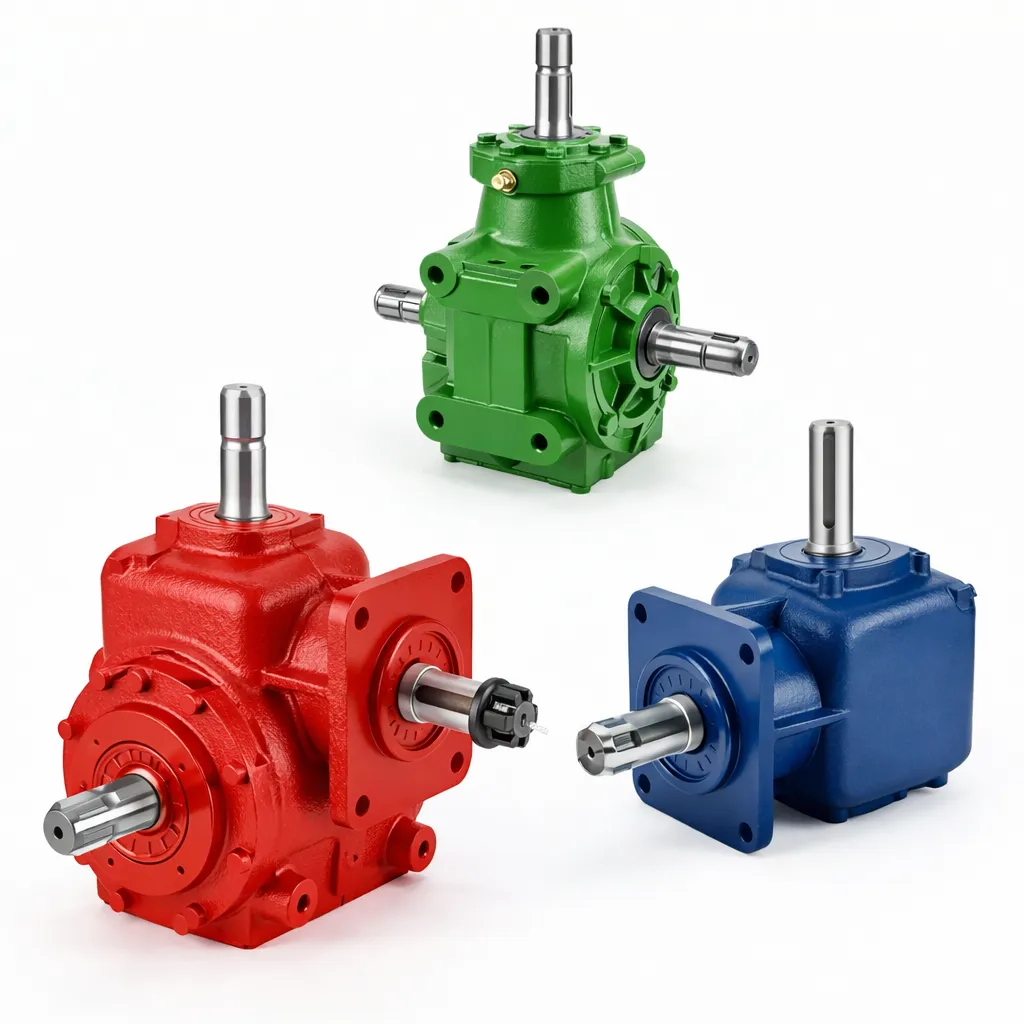
Source Factory Authority: Engineering the Future of Torque
EVER-POWER is not a mere assembly warehouse. We are a fully integrated, heavy-duty agricultural transmission nexus boasting in-house metallurgical forging, digital multi-axis machining, and extreme-torsion destruction labs. We acutely understand that when an operator is working a slasher 500 kilometers from the nearest service town, a microscopic design flaw translates directly into massive economic loss and severe physical danger. Therefore, every shaft, yoke, and gearbox leaving our docks carries an uncompromising commitment to extreme-condition reliability.
Beyond our exhaustive catalog of standardized ISO dimensions, our true dominance lies in our rapid custom manufacturing capabilities. Whether you require massive, non-standard torque load capacities, highly obscure spline configurations, or specialized anti-corrosive coatings for tropical environments, provide our engineers with a blueprint, a 3D CAD model, or simply ship us a physical sample. We will reverse-engineer, prototype, and mass-produce your perfect driveline solution with unprecedented speed.
Submit Your Specifications for an Engineering Quote Today
Explore our entire spectrum of power transmission products at: https://pto-driveline.com/