Product Description
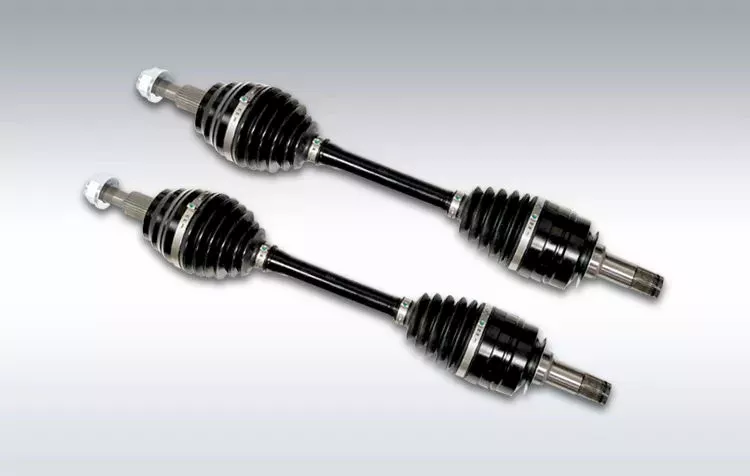
Widely Used Pto Shaft for Agricultural Machinery
1. Product Description
|
2. More Products
3. The Structure Of PTO Shaft
4. Installing Process
5. Packing and Shipping
6.Our Company
HangZhou CHINAMFG Tech.Machinery Co.,Ltd was founded in 2003. It is located at HangZhou County, HangZhou City, closed to 204 National Road.Our main products: 1. all kinds of drive shaft 2.all kinds of gera box 3. Farm machinery: IMT500 inorganic fertilizer spreader, HMT05S organic fertilizer spreader, 3M rotovator , 3M wet-paddy field rotary, King 185 deep cultviating machine and so on. 4.The machinery parts: many kinds of Gear, Shaft, Flang, ,Gear box, Laser parts, Stamping parts and so on.
7. FAQ
1. Q: Are your products forged or cast?
A: All of our products are forged.
2. Q: What’s your MOQ?
A: 20 PCS for each type. We accept the sample order.
3. Q: What’s the horse power of the pto shaft are available?
A: We provide a full range of pto shaft, ranging from 16HP-200HP.
4. Q: How many splined specification do you have ?
A: We produce 1 1/8″-Z6, 1 3/8″-Z6, 1 3/4″-Z6, 1 3/8″- Z21, 1 3/4″-Z20, 8X42X48X8 and 8X32X38X6 splines.
5. Q: How about the warranty?
A: We guarantee 1 year warranty. With quality problems, we will send you the new products for free within next shipment.
6. Q: What’s your payment terms?
A: T/T, L/C, D/A, D/P….
7. Q: What is the delivery time?
A: 40 days after receiving your advanced deposit.
| Material: | Carbon Steel |
|---|---|
| Load: | Drive Shaft |
| Stiffness & Flexibility: | Stiffness / Rigid Axle |
| Axis Shape: | Straight Shaft |
| Appearance Shape: | Round |
| Design: | Customized |
| Customization: |
Available
| Customized Request |
|---|
How do PTO drivelines accommodate variations in length and connection methods?
PTO (Power Take-Off) drivelines are designed to accommodate variations in length and connection methods to provide flexibility and compatibility with different equipment and applications. Here’s how PTO drivelines achieve this:
1. Telescoping Design:
– PTO drivelines often feature a telescoping design, allowing for adjustable length. Telescoping drivelines consist of two or more shaft sections that can slide within one another, similar to a telescope. This design enables the driveline to extend or retract to match the required length for connecting the power source (e.g., tractor) to the implement. By adjusting the length, telescoping drivelines can accommodate variations in the distance between the power source and the implement, ensuring a proper fit and efficient power transfer.
2. Splined Connections:
– PTO drivelines commonly use splined connections to ensure secure and reliable power transmission. Splines are ridges or grooves on the driveline shaft and corresponding mating components. They provide a positive engagement and torque transfer between the driving and driven shafts. Splined connections allow for variations in length and also provide some flexibility in alignment. By sliding the shaft sections within the telescoping design, operators can align the splined connections to achieve proper engagement and compensate for small misalignments.
3. Shear Pins and Slip Clutches:
– PTO drivelines incorporate shear pins or slip clutches as safety devices to protect against sudden overloads or obstructions. Shear pins are designed to break when excessive torque is applied to the driveline, preventing damage to the driveline components. Slip clutches, on the other hand, allow for controlled slippage when a certain torque threshold is exceeded. These safety mechanisms not only protect the driveline but also accommodate slight variations in length and sudden changes in load. They provide a degree of flexibility and help prevent driveline damage in case of unexpected stress or resistance.
4. Interchangeable Components:
– PTO drivelines often utilize interchangeable components, such as yokes, couplings, and adapters, to accommodate different connection methods. These components allow for compatibility between the driveline and various implements or equipment. For example, driveline yokes are available in different sizes, styles, and connection types, such as round, square, or hexagonal bores. This interchangeability enables operators to select the appropriate components that match the connection methods used by their specific equipment, ensuring a secure and proper fit.
5. Manufacturer Specifications:
– PTO drivelines are designed and manufactured according to specific standards and guidelines provided by the manufacturers. These specifications outline the maximum and minimum length requirements, connection methods, torque ratings, and other parameters necessary for safe and efficient operation. Operators should refer to the manufacturer’s guidelines and recommendations to ensure that the driveline accommodates any variations in length and connection methods within the specified limits.
6. Customization and Adaptation:
– In some cases, PTO drivelines may require customization or adaptation to accommodate unique length or connection requirements. This can involve modifying the length of the driveline shafts, using different adapters or couplings, or even ordering custom-made driveline assemblies. Consulting with driveline manufacturers, equipment suppliers, or driveline specialists can help determine the best approach for accommodating specific variations in length and connection methods.
In summary, PTO drivelines accommodate variations in length and connection methods through telescoping designs, splined connections, shear pins, slip clutches, interchangeable components, and adherence to manufacturer specifications. These features ensure flexibility, compatibility, and reliable power transfer between the power source and the implement, regardless of the specific length or connection requirements of the equipment or application.

What safety precautions should operators follow when working with PTO drivelines?
Working with PTO (Power Take-Off) drivelines requires careful attention to safety due to the potential hazards associated with rotating components and high levels of torque. Operators should follow specific safety precautions to minimize the risk of accidents and injuries. Here are the key safety precautions that operators should follow when working with PTO drivelines:
1. Read and Follow Manufacturer’s Instructions:
– Operators should thoroughly read and understand the manufacturer’s instructions and safety guidelines provided for the specific PTO driveline and equipment they are operating. These instructions typically cover proper installation, operation, maintenance, and safety precautions specific to the equipment. Following the manufacturer’s guidelines ensures that the equipment is used correctly and reduces the risk of accidents.
2. Wear Appropriate Personal Protective Equipment (PPE):
– Operators should always wear the appropriate personal protective equipment (PPE) when working with PTO drivelines. This includes items such as safety glasses, protective gloves, sturdy footwear, and clothing that covers the body. PPE helps protect against flying debris, accidental contact with rotating components, and other potential hazards.
3. Ensure Proper Guarding and Shielding:
– PTO drivelines should be equipped with proper guarding and shielding to prevent accidental contact with rotating or moving parts. Operators should ensure that all guards and shields are in place and properly secured before operating the equipment. Guards and shields help contain debris, reduce the risk of entanglement, and protect against accidental contact with the driveline components.
4. Avoid Loose-Fitting Clothing and Jewelry:
– Operators should avoid wearing loose-fitting clothing, jewelry, or any other items that could get caught in the driveline components. Loose clothing or jewelry can be pulled into the rotating parts, resulting in entanglement or serious injuries. It is important to wear fitted clothing and remove any dangling accessories before operating the equipment.
5. Engage PTO Only When Necessary:
– Operators should engage the PTO only when necessary and disengage it when the equipment is not in use. Engaging the PTO while personnel are near the driveline increases the risk of accidental contact and injuries. The PTO should be engaged only when the equipment is properly set up, and all personnel are at a safe distance.
6. Be Aware of Surroundings:
– Operators should always be aware of their surroundings and ensure that no one is near the driveline before starting or operating the equipment. It is crucial to maintain a safe distance from the driveline and keep bystanders away to prevent accidental contact and injuries.
7. Shut Down Equipment Before Servicing:
– Before performing any maintenance or servicing tasks on the equipment or the PTO driveline, operators should shut down the equipment and disable the power source. This ensures that the driveline components are not in motion and reduces the risk of accidental startup or contact with moving parts.
8. Regular Maintenance and Inspection:
– Operators should adhere to a regular maintenance and inspection schedule for the PTO driveline and associated equipment. This includes checking for any signs of wear, damage, or loose connections. Regular maintenance helps identify potential issues before they become safety hazards and ensures that the driveline operates properly.
9. Receive Proper Training:
– Operators should receive proper training on the safe operation of the equipment and the PTO driveline. Training should cover topics such as equipment setup, safe operating procedures, emergency shut-off procedures, and the recognition of potential hazards. Well-trained operators are more likely to operate the equipment safely and respond appropriately in case of emergencies.
10. Follow Lockout/Tagout Procedures:
– When performing maintenance or repair tasks that require accessing the driveline components, operators should follow lockout/tagout procedures. This involves isolating the power source, applying locks and tags to prevent accidental startup, and verifying that the equipment is de-energized before beginning any work. Lockout/tagout procedures are essential for preventing unexpected energization and protecting personnel from hazardous energy.
By following these safety precautions, operators can minimize the risk of accidents and injuries when working with PTO drivelines. Safety should always be a priority, and operators should remain vigilant, adhere to proper procedures, and use common sense to ensure a safe working environment.

What benefits do PTO drivelines offer for tasks like tilling, mowing, and harvesting?
PTO (Power Take-Off) drivelines offer several benefits for tasks like tilling, mowing, and harvesting in agricultural operations. These benefits contribute to increased efficiency, improved productivity, and enhanced performance in these specific tasks. Let’s explore the advantages that PTO drivelines provide for each of these tasks:
Tilling:
1. Powerful and Efficient Operation: PTO drivelines enable tilling equipment, such as rotary tillers or disc harrows, to efficiently break up and prepare the soil for planting. The rotational power transmitted through the PTO shaft provides the necessary force for the tines or blades of the tiller to penetrate the soil, ensuring thorough tillage and soil preparation.
2. Uniform and Consistent Tilling: PTO-driven tillers offer consistent and uniform tilling depth and quality throughout the field. The power generated by the power source is evenly distributed through the PTO driveline, resulting in uniform tilling across the entire working width of the implement. This helps create an optimal seedbed for planting, promoting seed germination and crop growth.
3. Versatility and Adjustability: PTO drivelines allow for the use of different types and sizes of tillage implements, providing flexibility and adaptability to varying soil conditions and farming practices. Operators can easily attach and detach different tillage equipment to the PTO shaft, enabling them to switch between implements based on the specific requirements of the soil and crops.
Mowing:
1. Efficient Cutting: PTO-driven mowers, whether rotary or flail mowers, provide efficient cutting performance. The high rotational speed and power transmitted through the PTO driveline enable the mower blades to effectively cut through grass, weeds, or crops, resulting in a well-maintained and visually appealing appearance of the mowed area.
2. Wide Coverage and Reduced Time: PTO-driven mowers typically have wide cutting widths, allowing operators to cover a larger area in less time. This reduces the overall mowing time, increasing efficiency and productivity. The power transmitted through the PTO driveline facilitates the swift operation of the mower, ensuring efficient cutting even in dense vegetation.
3. Adjustable Cutting Height: PTO drivelines allow for easy adjustment of the cutting height of the mower. Operators can modify the height of the mower deck or attachment, ensuring precise cutting based on the desired aesthetic or functional requirements. This flexibility in cutting height adjustment enhances the versatility of PTO-driven mowers for various applications, such as maintaining lawns, meadows, or pastures.
Harvesting:
1. Powerful Harvesting: PTO drivelines provide the necessary power to operate harvesting equipment, such as combines, forage harvesters, or balers. The high torque and rotational power transmitted through the PTO shaft enable efficient harvesting of crops, ensuring smooth operation and reduced crop loss during the process.
2. Improved Harvesting Capacity: PTO-driven harvesting equipment often features wider headers or cutting widths, allowing for increased harvesting capacity. The power transferred through the PTO driveline enables the equipment to cover a larger area, improving overall harvesting efficiency and reducing the time required to complete the task.
3. Integration with Other Equipment: PTO drivelines facilitate the integration of various harvesting equipment with other implements or attachments. For example, a PTO-driven combine harvester can be equipped with a straw chopper or a grain cart, which can be powered by the same PTO driveline. This integration enhances the efficiency of the overall harvesting process and simplifies the logistics of crop collection and storage.
In summary, PTO drivelines offer several benefits for tasks like tilling, mowing, and harvesting. They provide powerful and efficient operation, uniform and consistent performance, versatility and adjustability, wide coverage and reduced time, adjustable cutting height, and increased harvesting capacity. These advantages contribute to improved efficiency, productivity, and performance in agricultural operations, helping farmers achieve optimal results in these critical tasks.


editor by CX 2023-09-15