Product Description
CE Certificate Agricultural Machinery Potato Harvester Spare Parts Cardan Pto Drive Shaft and Farm Tractor Pto Shaft
Product Description
A Power Take-Off shaft (PTO shaft) is a mechanical device utilized to transmit power from a tractor or other power source to an attached implement, such as a mower, tiller, or baler. Typically situated at the rear of the tractor, the PTO shaft is driven by the tractor’s engine through the transmission.
The primary purpose of the PTO shaft is to supply a rotating power source to the implement, enabling it to carry out its intended function. To connect the implement to the PTO shaft, a universal joint is employed, allowing for movement between the tractor and the implement while maintaining a consistent power transfer.
Here is our advantages when compare to similar products from China:
1.Forged yokes make PTO shafts strong enough for usage and working;
2.Internal sizes standard to confirm installation smooth;
3.CE and ISO certificates to guarantee to quality of our goods;
4.Strong and professional package to confirm the good situation when you receive the goods.
Product Specifications
In farming, the most common way to transmit power from a tractor to an implement is by a driveline, connected to the PTO (Power Take Off) of the tractor to the IIC(Implement Input Connection). Drivelines are also commonly connected to shafts within the implement to transmit power to various mechanisms.
The following dimensions of the PTO types are available.
Type B:13/8″Z6(540 min)
Type D:13/8″Z21(1000 min)
Coupling a driveline to a PTO should be quick and simple because in normal use tractors must operate multiple implements. Consequently, yokes on the tractor-end of the driveline are fitted with a quick-disconnect system, such as push-pin or ball collar.
Specifications for a driveline, including the way it is coupled to a PTO, depend CHINAMFG the implement.
Yokes on the llc side are rarely disconnected and may be fastened by quick-lock couplings (push-pin or ball collar).
Taper pins are the most stable connection for splined shafts and are commonly used in yokes and torque limiters. Taper pins are also often used to connect internal drive shafts on drivelines that are not frequently disconnected.
Torque limiter and clutches must always be installed on the implement side of the primary driveline.
Packaging & Shipping
Company Profile
HangZhou Hanon Technology Co.,ltd is a modern enterprise specilizing in the development,production,sales and services of Agricultural Parts like PTO shaft and Gearboxes and Hydraulic parts like Cylinder , Valve ,Gearpump and motor etc..
We adhere to the principle of ” High Quality, Customers’Satisfaction”, using advanced technology and equipments to ensure all the technical standards of transmission .We follow the principle of people first , trying our best to set up a pleasant surroundings and platform of performance for each employee. So everyone can be self-consciously active to join Hanon Machinery.
FAQ
1.WHAT’S THE PAYMENT TERM?
When we quote for you,we will confirm with you the way of transaction,FOB,CIFetc.<br> For mass production goods, you need to pay 30% deposit before producing and70% balance against copy of documents.The most common way is by T/T.
2.HOW TO DELIVER THE GOODS TO US?
Usually we will ship the goods to you by sea.
3.HOE LONG IS YOUR DELIVERY TIME AND SHIPMENT?
30-45days.
/* March 10, 2571 17:59:20 */!function(){function s(e,r){var a,o={};try{e&&e.split(“,”).forEach(function(e,t){e&&(a=e.match(/(.*?):(.*)$/))&&1
| Type: | Pto Shaft |
|---|---|
| Usage: | Agricultural Products Processing, Farmland Infrastructure, Tillage, Harvester, Planting and Fertilization, Grain Threshing, Cleaning and Drying, Agricultural Machinery,Farm Tractor |
| Material: | 45cr Steel |
| Samples: |
US$ 20/Piece
1 Piece(Min.Order) | Order Sample |
|---|
| Customization: |
Available
| Customized Request |
|---|
.shipping-cost-tm .tm-status-off{background: none;padding:0;color: #1470cc}
|
Shipping Cost:
Estimated freight per unit. |
about shipping cost and estimated delivery time. |
|---|
| Payment Method: |
|
|---|---|
|
Initial Payment Full Payment |
| Currency: | US$ |
|---|
| Return&refunds: | You can apply for a refund up to 30 days after receipt of the products. |
|---|
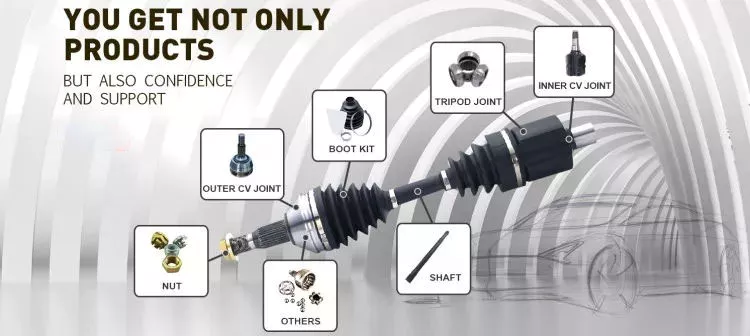
What factors should be considered when selecting the appropriate PTO driveline for an application?
When selecting the appropriate PTO (Power Take-Off) driveline for an application, several factors need to be considered to ensure optimal performance, efficiency, and safety. Here are some key factors to take into account:
1. Power Requirements:
– Determine the power requirements of the driven equipment. Consider the horsepower (HP) or kilowatt (kW) rating necessary to operate the equipment effectively. The PTO driveline should be capable of transmitting the required power without overloading or damaging the driveline components.
2. Speed and RPM:
– Identify the desired operating speed and RPM (Rotations Per Minute) of the driven equipment. The PTO driveline should be compatible with the required speed range to ensure efficient power transmission. Consider the maximum and minimum RPM ratings of the driveline and select one that matches the specific speed requirements of the application.
3. Torque Requirements:
– Determine the torque requirements of the driven equipment. Torque is the rotational force required to perform the intended task. Consider both the maximum and average torque demands during operation. Ensure that the selected PTO driveline can handle the torque levels without exceeding its maximum torque capacity or causing premature wear or failure.
4. Application Type:
– Consider the specific application and the type of equipment involved. Different applications may require different PTO driveline designs and features. For example, agricultural equipment such as mowers, balers, or tillers may benefit from a constant velocity (CV) PTO driveline to accommodate varying angles and speeds, while stationary equipment like generators or water pumps may use a non-constant velocity (non-CV) PTO driveline.
5. Safety Considerations:
– Evaluate the safety requirements of the application. Certain applications may require additional safety features such as shear bolts or slip clutches to protect against excessive loads, sudden obstructions, or torque spikes. Ensure that the selected PTO driveline incorporates the necessary safety mechanisms to prevent damage to the driveline and equipment, as well as to ensure the safety of operators and bystanders.
6. Durability and Maintenance:
– Consider the durability and maintenance requirements of the PTO driveline. Evaluate the quality and reliability of the driveline components, such as bearings, joints, and couplings. Choose a driveline that is built to withstand the demands of the application and requires minimal maintenance to ensure long-term performance and reduce downtime.
7. Compatibility:
– Ensure compatibility between the PTO driveline and the power source (e.g., tractor, engine). Consider the PTO driveline’s connection type, size (e.g., spline count, shaft diameter), and mounting configuration to ensure a proper fit and connection with the power source.
8. Environmental Conditions:
– Take into account the environmental conditions in which the PTO driveline will operate. Factors such as temperature extremes, exposure to moisture, dust, or chemicals can impact the driveline’s performance and longevity. Choose a driveline that is designed to withstand the specific environmental conditions of the application.
9. Manufacturer and Quality:
– Consider the reputation and reliability of the PTO driveline manufacturer. Opt for reputable manufacturers known for producing high-quality and durable driveline systems. Research customer reviews and seek recommendations from industry experts to ensure you choose a reliable and reputable brand.
By carefully considering these factors, you can select the most appropriate PTO driveline for your specific application. It is recommended to consult with manufacturers, industry experts, or equipment dealers to get further guidance and ensure the right driveline selection for your needs.

What safety precautions should operators follow when working with PTO drivelines?
Working with PTO (Power Take-Off) drivelines requires careful attention to safety due to the potential hazards associated with rotating components and high levels of torque. Operators should follow specific safety precautions to minimize the risk of accidents and injuries. Here are the key safety precautions that operators should follow when working with PTO drivelines:
1. Read and Follow Manufacturer’s Instructions:
– Operators should thoroughly read and understand the manufacturer’s instructions and safety guidelines provided for the specific PTO driveline and equipment they are operating. These instructions typically cover proper installation, operation, maintenance, and safety precautions specific to the equipment. Following the manufacturer’s guidelines ensures that the equipment is used correctly and reduces the risk of accidents.
2. Wear Appropriate Personal Protective Equipment (PPE):
– Operators should always wear the appropriate personal protective equipment (PPE) when working with PTO drivelines. This includes items such as safety glasses, protective gloves, sturdy footwear, and clothing that covers the body. PPE helps protect against flying debris, accidental contact with rotating components, and other potential hazards.
3. Ensure Proper Guarding and Shielding:
– PTO drivelines should be equipped with proper guarding and shielding to prevent accidental contact with rotating or moving parts. Operators should ensure that all guards and shields are in place and properly secured before operating the equipment. Guards and shields help contain debris, reduce the risk of entanglement, and protect against accidental contact with the driveline components.
4. Avoid Loose-Fitting Clothing and Jewelry:
– Operators should avoid wearing loose-fitting clothing, jewelry, or any other items that could get caught in the driveline components. Loose clothing or jewelry can be pulled into the rotating parts, resulting in entanglement or serious injuries. It is important to wear fitted clothing and remove any dangling accessories before operating the equipment.
5. Engage PTO Only When Necessary:
– Operators should engage the PTO only when necessary and disengage it when the equipment is not in use. Engaging the PTO while personnel are near the driveline increases the risk of accidental contact and injuries. The PTO should be engaged only when the equipment is properly set up, and all personnel are at a safe distance.
6. Be Aware of Surroundings:
– Operators should always be aware of their surroundings and ensure that no one is near the driveline before starting or operating the equipment. It is crucial to maintain a safe distance from the driveline and keep bystanders away to prevent accidental contact and injuries.
7. Shut Down Equipment Before Servicing:
– Before performing any maintenance or servicing tasks on the equipment or the PTO driveline, operators should shut down the equipment and disable the power source. This ensures that the driveline components are not in motion and reduces the risk of accidental startup or contact with moving parts.
8. Regular Maintenance and Inspection:
– Operators should adhere to a regular maintenance and inspection schedule for the PTO driveline and associated equipment. This includes checking for any signs of wear, damage, or loose connections. Regular maintenance helps identify potential issues before they become safety hazards and ensures that the driveline operates properly.
9. Receive Proper Training:
– Operators should receive proper training on the safe operation of the equipment and the PTO driveline. Training should cover topics such as equipment setup, safe operating procedures, emergency shut-off procedures, and the recognition of potential hazards. Well-trained operators are more likely to operate the equipment safely and respond appropriately in case of emergencies.
10. Follow Lockout/Tagout Procedures:
– When performing maintenance or repair tasks that require accessing the driveline components, operators should follow lockout/tagout procedures. This involves isolating the power source, applying locks and tags to prevent accidental startup, and verifying that the equipment is de-energized before beginning any work. Lockout/tagout procedures are essential for preventing unexpected energization and protecting personnel from hazardous energy.
By following these safety precautions, operators can minimize the risk of accidents and injuries when working with PTO drivelines. Safety should always be a priority, and operators should remain vigilant, adhere to proper procedures, and use common sense to ensure a safe working environment.
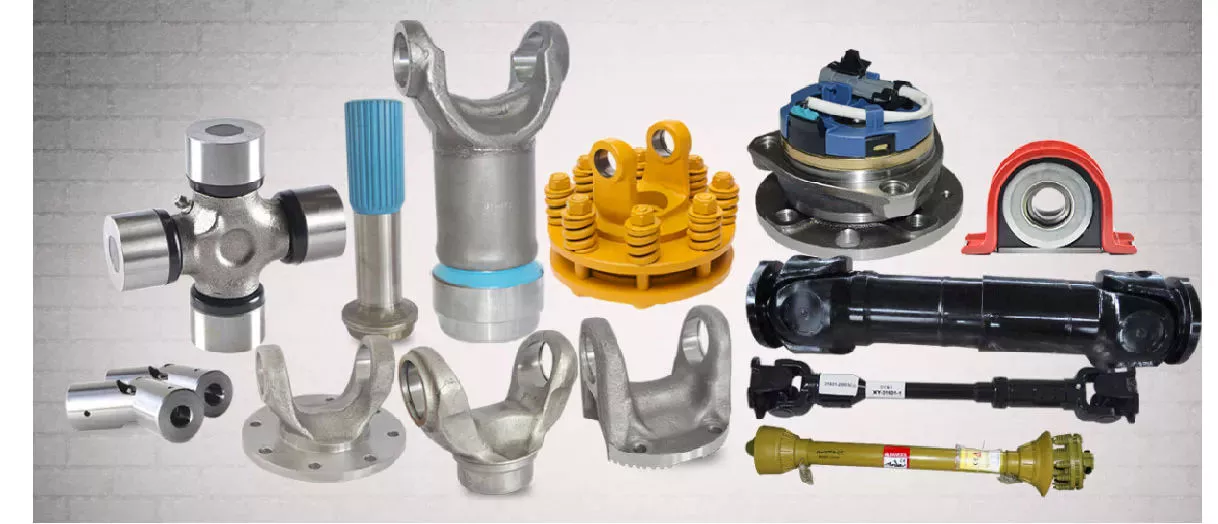
How do PTO drivelines handle variations in speed, torque, and angles during operation?
PTO (Power Take-Off) drivelines are designed to handle variations in speed, torque, and angles during operation, ensuring efficient power transmission between the power source (such as a tractor engine) and the driven equipment. Here’s how PTO drivelines handle these variations:
Variations in Speed:
PTO drivelines accommodate variations in speed through the use of different mechanisms, depending on the type of driveline. Here are two common methods:
1. Constant Velocity (CV) Joints: CV joints are commonly used in CV PTO drivelines to maintain a constant speed and smooth power transmission, even when the driven equipment operates at varying angles or speeds. CV joints allow the driveline to transmit power without a significant increase in vibration or power loss. These joints consist of specially designed bearings and races that allow for a constant angular velocity, regardless of the operating angle of the driveline. This ensures that the driven equipment receives a consistent and uniform power supply, even as the speed varies.
2. Variable Pulleys or Clutches: In some non-CV PTO drivelines or applications, variable pulleys or clutches can be used to adjust the speed ratio between the power source and the driven equipment. By changing the position of the pulleys or adjusting the clutch engagement, the effective diameter of the pulleys or the contact area of the clutch can be altered, allowing for speed adjustments. This enables operators to match the speed of the driven equipment to the desired operational requirements, accommodating variations in speed during operation.
Variations in Torque:
PTO drivelines are designed to handle variations in torque, ensuring efficient power transmission even when the torque requirements change. Here are two common methods used to handle torque variations:
1. Slip Clutches: Slip clutches are commonly used in PTO drivelines to protect the driveline and driven equipment from excessive torque or sudden shock loads. These clutches incorporate a mechanism that allows the driveline to slip or disengage momentarily when the torque exceeds a certain threshold. This slipping action protects against damage by relieving the excess torque and allows the equipment to continue operating once the resistance is removed. Slip clutches provide a safety measure to prevent driveline and equipment damage due to sudden changes in torque.
2. Shear Bolts: Shear bolts are another method used to handle torque variations in PTO drivelines. These bolts are designed to break and disconnect the power transmission when the torque exceeds a certain threshold. By breaking the shear bolts, the driveline and equipment are protected from excessive torque, preventing damage. Shear bolts are commonly used in applications where sudden obstructions or excessive loads can occur, such as in rotary cutters or flail mowers.
Variations in Angles:
PTO drivelines are engineered to accommodate variations in operating angles. Here’s how they handle angle variations:
1. Flexible Design: PTO drivelines are often designed with flexibility in mind, allowing for slight misalignments and variations in operating angles. Flexible couplings or telescopic sections within the driveline can help compensate for angular misalignments, ensuring smooth power transmission even when the driven equipment operates at an angle. These flexible components can absorb and accommodate the movement and misalignment between the power source and the driven equipment, reducing stress and potential damage to the driveline.
2. Articulating Joints: Some PTO drivelines incorporate articulating joints, such as universal joints or CV joints, to handle variations in operating angles. These joints allow for movement and flexibility, accommodating changes in angle without compromising power transmission. Universal joints can handle up to 30 degrees of angular misalignment, while CV joints can handle even greater angles, providing a smooth and continuous power transfer across a range of operating angles.
By incorporating these design features and mechanisms, PTO drivelines effectively handle variations in speed, torque, and angles during operation. This ensures reliable and efficient power transmission between the power source and the driven equipment, allowing for optimal performance and productivity in a wide range of agricultural and industrial applications.


editor by CX 2023-12-29