தயாரிப்பு விளக்கம்
Tractor Pto Driveshaft Driveline Factory Hollow Spline Cardan Adapter Universal Joint Yoke Flexible Front Prop Rear CV Axle Propeller Automobile Drive Shaft
தயாரிப்பு விளக்கம்
Agricultural truck universal joint steering
PTO Shaft
| Function of PTO Shaft | Drive Shaft Parts & Power Transmission |
| Usage of PTO Shaft | Kinds of Tractors & Farm Implements |
| Yoke Types for PTO Shaft | Double push pin, Bolt pins, Split pins, Pushpin, Quick release, Ball attachment, Collar….. |
| Processing Of Yoke | Forging |
| PTO Shaft Plastic Cover | YW; BW; YS; BS; Etc |
| Colors of PTO Shaft | Green; Orange; Yellow; Black Ect. |
| PTO Shaft Series | T1-T10; L1-L6;S6-S10;10HP-150HP with SA,RA,SB,SFF,WA,CV Etc |
| Tube Types for PTO Shaft | Lemon, Triangular, Star, Square, Hexangular, Spline, Special Ect |
| Processing Of Tube | Cold drawn |
| Spline Types for PTO Shaft | 1 1/8″ Z6;1 3/8″ Z6; 1 3/8″ Z21 ;1 3/4″ Z20; 1 3/4″ Z6; 8-38*32*6 8-42*36*7; 8-48*42*8; |
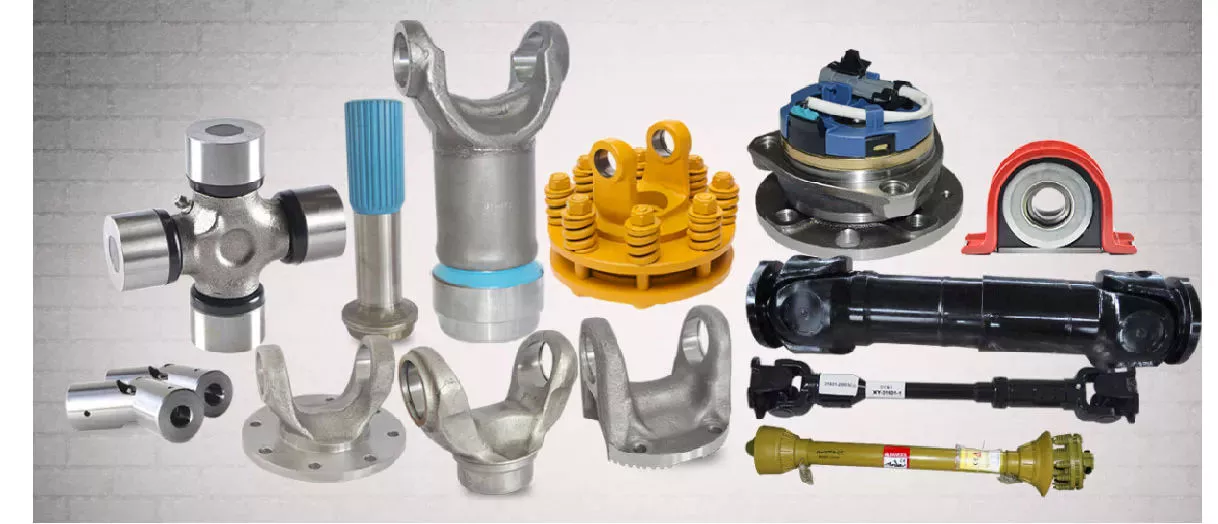
We also sell accessories for the pto shaft, including :
Yoke: CV socket yoke, CV weld yoke, flange yoke, end yoke, weld yoke, slip yoke
CV center housing, tube, spline, CV socket flange, u-joint, dust cap
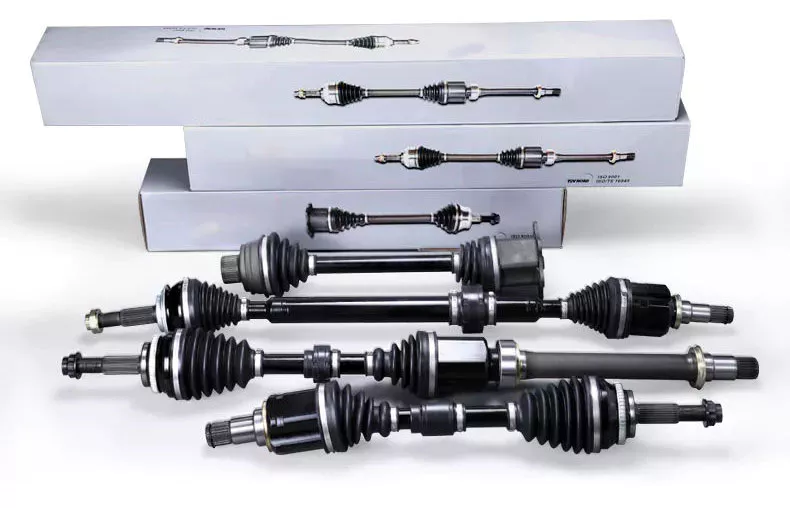
Light vehicle drive line
Our products can be used for transmission shafts of the following brands
Toyota, Mitsubishi, Nissan, Isu zu, Suzuki, Dafa, Honda, Hyundai, Mazda, Fiat, Re nault, Kia, Dacia, Ford. Dodge, Land Rover, Peu geot, Volkswagen Audi, BMW Benz Volvo, Russian models
Gear shaft
Company Profile
Related Products
Application:
Company information:
/* March 10, 2571 17:59:20 */!function(){function s(e,r){var a,o={};try{e&&e.split(“,”).forEach(function(e,t){e&&(a=e.match(/(.*?):(.*)$/))&&1
| Material: | Carbon Steel |
|---|---|
| Load: | Drive Shaft |
| Stiffness & Flexibility: | Stiffness / Rigid Axle |
| Journal Diameter Dimensional Accuracy: | IT6-IT9 |
| Axis Shape: | Straight Shaft |
| Shaft Shape: | Real Axis |
| Samples: |
US$ 38/Piece
1 Piece(Min.Order) | |
|---|
How do PTO drivelines ensure efficient power transfer while maintaining operator safety?
PTO (Power Take-Off) drivelines are designed to ensure efficient power transfer while prioritizing operator safety. These drivelines incorporate various features and mechanisms to achieve both objectives. Let’s delve into the details:
1. Safety Shields and Guards:
PTO drivelines often include safety shields or guards to enclose the rotating components, such as the driveline shaft and universal joints. These shields are typically made of durable materials and are designed to prevent accidental contact with the moving parts, reducing the risk of entanglement or injury. Safety shields and guards serve as a physical barrier between the driveline and operators, ensuring operator safety while allowing power transfer to occur efficiently.
2. Shear Pins or Bolts:
Shear pins or bolts are commonly used in PTO drivelines to provide a safety measure against excessive loads or sudden obstructions. These pins or bolts are designed to break or shear off when the torque exceeds a certain threshold, disconnecting the driveline and preventing damage to the driveline components. By sacrificing themselves under high load conditions, shear pins or bolts protect the driveline from potential damage, ensuring operator safety and minimizing the need for costly repairs.
3. Slip Clutches:
Slip clutches are another safety feature incorporated into PTO drivelines. These clutches allow for a controlled slipping action when the torque exceeds a predetermined limit. The slipping action protects the driveline and driven equipment from sudden shock loads or excessive torque, preventing damage to the driveline components and reducing the risk of operator injury. Slip clutches provide a safety margin and help maintain efficient power transfer by momentarily disengaging the driveline until the excessive torque diminishes.
4. Overload Protection Devices:
Some PTO drivelines are equipped with overload protection devices, such as torque limiters or electronic control systems. These devices monitor the torque levels in the driveline and automatically disengage or limit power transmission when the torque exceeds a safe threshold. By preventing the driveline from operating under extreme loads, overload protection devices safeguard the driveline components and maintain operator safety. These devices can be reset or adjusted once the excessive load is removed, allowing power transfer to resume.
5. Constant Velocity (CV) Joints:
PTO drivelines that utilize constant velocity (CV) joints offer several safety benefits. CV joints maintain a constant angular velocity, regardless of the operating angle of the driveline, reducing vibration and power loss. By providing smooth power transmission, CV joints minimize the risk of sudden jolts or jerks that could endanger operators or compromise the stability of the driven equipment. The consistent power transfer facilitated by CV joints enhances both operator safety and the overall efficiency of the driveline.
6. Operator Training and Safety Practices:
While not directly built into the driveline itself, operator training and safety practices play a crucial role in ensuring safe and efficient PTO driveline operation. It is essential for operators to receive comprehensive training on the proper use, maintenance, and safety protocols associated with PTO drivelines. This training should include guidelines for safe engagement and disengagement of the driveline, understanding the importance of safety shields and guards, and recognizing potential hazards and risks during operation. By following recommended safety practices, operators can minimize the likelihood of accidents or injuries and maintain efficient power transfer.
By combining these features and promoting proper operator training, PTO drivelines achieve a balance between efficient power transfer and operator safety. The incorporation of safety shields, shear pins or bolts, slip clutches, overload protection devices, and CV joints helps prevent accidents, protect driveline components, and ensure the well-being of operators. It is crucial to adhere to manufacturer guidelines and industry safety standards to maximize the effectiveness of these safety measures and maintain a safe working environment.

What safety precautions should operators follow when working with PTO drivelines?
Working with PTO (Power Take-Off) drivelines requires careful attention to safety due to the potential hazards associated with rotating components and high levels of torque. Operators should follow specific safety precautions to minimize the risk of accidents and injuries. Here are the key safety precautions that operators should follow when working with PTO drivelines:
1. Read and Follow Manufacturer’s Instructions:
– Operators should thoroughly read and understand the manufacturer’s instructions and safety guidelines provided for the specific PTO driveline and equipment they are operating. These instructions typically cover proper installation, operation, maintenance, and safety precautions specific to the equipment. Following the manufacturer’s guidelines ensures that the equipment is used correctly and reduces the risk of accidents.
2. Wear Appropriate Personal Protective Equipment (PPE):
– Operators should always wear the appropriate personal protective equipment (PPE) when working with PTO drivelines. This includes items such as safety glasses, protective gloves, sturdy footwear, and clothing that covers the body. PPE helps protect against flying debris, accidental contact with rotating components, and other potential hazards.
3. Ensure Proper Guarding and Shielding:
– PTO drivelines should be equipped with proper guarding and shielding to prevent accidental contact with rotating or moving parts. Operators should ensure that all guards and shields are in place and properly secured before operating the equipment. Guards and shields help contain debris, reduce the risk of entanglement, and protect against accidental contact with the driveline components.
4. Avoid Loose-Fitting Clothing and Jewelry:
– Operators should avoid wearing loose-fitting clothing, jewelry, or any other items that could get caught in the driveline components. Loose clothing or jewelry can be pulled into the rotating parts, resulting in entanglement or serious injuries. It is important to wear fitted clothing and remove any dangling accessories before operating the equipment.
5. Engage PTO Only When Necessary:
– Operators should engage the PTO only when necessary and disengage it when the equipment is not in use. Engaging the PTO while personnel are near the driveline increases the risk of accidental contact and injuries. The PTO should be engaged only when the equipment is properly set up, and all personnel are at a safe distance.
6. Be Aware of Surroundings:
– Operators should always be aware of their surroundings and ensure that no one is near the driveline before starting or operating the equipment. It is crucial to maintain a safe distance from the driveline and keep bystanders away to prevent accidental contact and injuries.
7. Shut Down Equipment Before Servicing:
– Before performing any maintenance or servicing tasks on the equipment or the PTO driveline, operators should shut down the equipment and disable the power source. This ensures that the driveline components are not in motion and reduces the risk of accidental startup or contact with moving parts.
8. Regular Maintenance and Inspection:
– Operators should adhere to a regular maintenance and inspection schedule for the PTO driveline and associated equipment. This includes checking for any signs of wear, damage, or loose connections. Regular maintenance helps identify potential issues before they become safety hazards and ensures that the driveline operates properly.
9. Receive Proper Training:
– Operators should receive proper training on the safe operation of the equipment and the PTO driveline. Training should cover topics such as equipment setup, safe operating procedures, emergency shut-off procedures, and the recognition of potential hazards. Well-trained operators are more likely to operate the equipment safely and respond appropriately in case of emergencies.
10. Follow Lockout/Tagout Procedures:
– When performing maintenance or repair tasks that require accessing the driveline components, operators should follow lockout/tagout procedures. This involves isolating the power source, applying locks and tags to prevent accidental startup, and verifying that the equipment is de-energized before beginning any work. Lockout/tagout procedures are essential for preventing unexpected energization and protecting personnel from hazardous energy.
By following these safety precautions, operators can minimize the risk of accidents and injuries when working with PTO drivelines. Safety should always be a priority, and operators should remain vigilant, adhere to proper procedures, and use common sense to ensure a safe working environment.
How do PTO drivelines handle variations in speed, torque, and angles during operation?
PTO (Power Take-Off) drivelines are designed to handle variations in speed, torque, and angles during operation, ensuring efficient power transmission between the power source (such as a tractor engine) and the driven equipment. Here’s how PTO drivelines handle these variations:
Variations in Speed:
PTO drivelines accommodate variations in speed through the use of different mechanisms, depending on the type of driveline. Here are two common methods:
1. Constant Velocity (CV) Joints: CV joints are commonly used in CV PTO drivelines to maintain a constant speed and smooth power transmission, even when the driven equipment operates at varying angles or speeds. CV joints allow the driveline to transmit power without a significant increase in vibration or power loss. These joints consist of specially designed bearings and races that allow for a constant angular velocity, regardless of the operating angle of the driveline. This ensures that the driven equipment receives a consistent and uniform power supply, even as the speed varies.
2. Variable Pulleys or Clutches: In some non-CV PTO drivelines or applications, variable pulleys or clutches can be used to adjust the speed ratio between the power source and the driven equipment. By changing the position of the pulleys or adjusting the clutch engagement, the effective diameter of the pulleys or the contact area of the clutch can be altered, allowing for speed adjustments. This enables operators to match the speed of the driven equipment to the desired operational requirements, accommodating variations in speed during operation.
Variations in Torque:
PTO drivelines are designed to handle variations in torque, ensuring efficient power transmission even when the torque requirements change. Here are two common methods used to handle torque variations:
1. Slip Clutches: Slip clutches are commonly used in PTO drivelines to protect the driveline and driven equipment from excessive torque or sudden shock loads. These clutches incorporate a mechanism that allows the driveline to slip or disengage momentarily when the torque exceeds a certain threshold. This slipping action protects against damage by relieving the excess torque and allows the equipment to continue operating once the resistance is removed. Slip clutches provide a safety measure to prevent driveline and equipment damage due to sudden changes in torque.
2. Shear Bolts: Shear bolts are another method used to handle torque variations in PTO drivelines. These bolts are designed to break and disconnect the power transmission when the torque exceeds a certain threshold. By breaking the shear bolts, the driveline and equipment are protected from excessive torque, preventing damage. Shear bolts are commonly used in applications where sudden obstructions or excessive loads can occur, such as in rotary cutters or flail mowers.
Variations in Angles:
PTO drivelines are engineered to accommodate variations in operating angles. Here’s how they handle angle variations:
1. Flexible Design: PTO drivelines are often designed with flexibility in mind, allowing for slight misalignments and variations in operating angles. Flexible couplings or telescopic sections within the driveline can help compensate for angular misalignments, ensuring smooth power transmission even when the driven equipment operates at an angle. These flexible components can absorb and accommodate the movement and misalignment between the power source and the driven equipment, reducing stress and potential damage to the driveline.
2. Articulating Joints: Some PTO drivelines incorporate articulating joints, such as universal joints or CV joints, to handle variations in operating angles. These joints allow for movement and flexibility, accommodating changes in angle without compromising power transmission. Universal joints can handle up to 30 degrees of angular misalignment, while CV joints can handle even greater angles, providing a smooth and continuous power transfer across a range of operating angles.
By incorporating these design features and mechanisms, PTO drivelines effectively handle variations in speed, torque, and angles during operation. This ensures reliable and efficient power transmission between the power source and the driven equipment, allowing for optimal performance and productivity in a wide range of agricultural and industrial applications.


editor by CX 2024-02-20