คำอธิบายผลิตภัณฑ์
XINMEI CNC MACHINING–YOUR ONE-STOP CUSTMIZED MACHINING SERVICES
Company Profile
| Inspection Devices For Quality Control |
Overview
| Who we are | 8+ Years Experienced and Professional Factory for One-Stop CNC Machining Services |
| What we do | CNC Machining Services: CNC Milling Parts CNC Turning Parts CNC Grinding Parts Auto Lathe Parts Stamping Metal Parts |
| What is important | 1. Price above is not final order price which need to re-calculate CZPT your detailed requirements. 2. Please provide your detailed drawings CAD/DXF/STP rough drawings for engineer team to involve and come up with processing and quotes. 3. Sample is always needed for confirmation before mass production. 4. To cancel the order is not supported once confirmed due to its customization. |
| Why Choose us |
1. 8+ years professional CNC Machining services 2. Experienced engineering team 3. Competitive factory price 4. Bubble bags+ Carton packaging for no scratches, fast & safe delivery 5. Stand-by forever |
| QC Control | 100% inspection on all aspects (dimension, surface treatment etc..) |
| Testing/Inspection Devices | MMD-100b Profilemeter/Video Measuring Machine/CNC Vision Measuring Machine Sinpo CZPT 300C Three Dimensional/Calipers/Micrometer/Altimeter/Pin Gauge/Inside Micrometer/Roughness Tester etc. |
คำอธิบายผลิตภัณฑ์
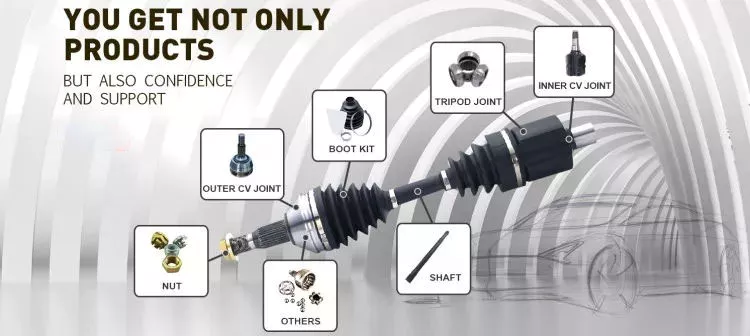
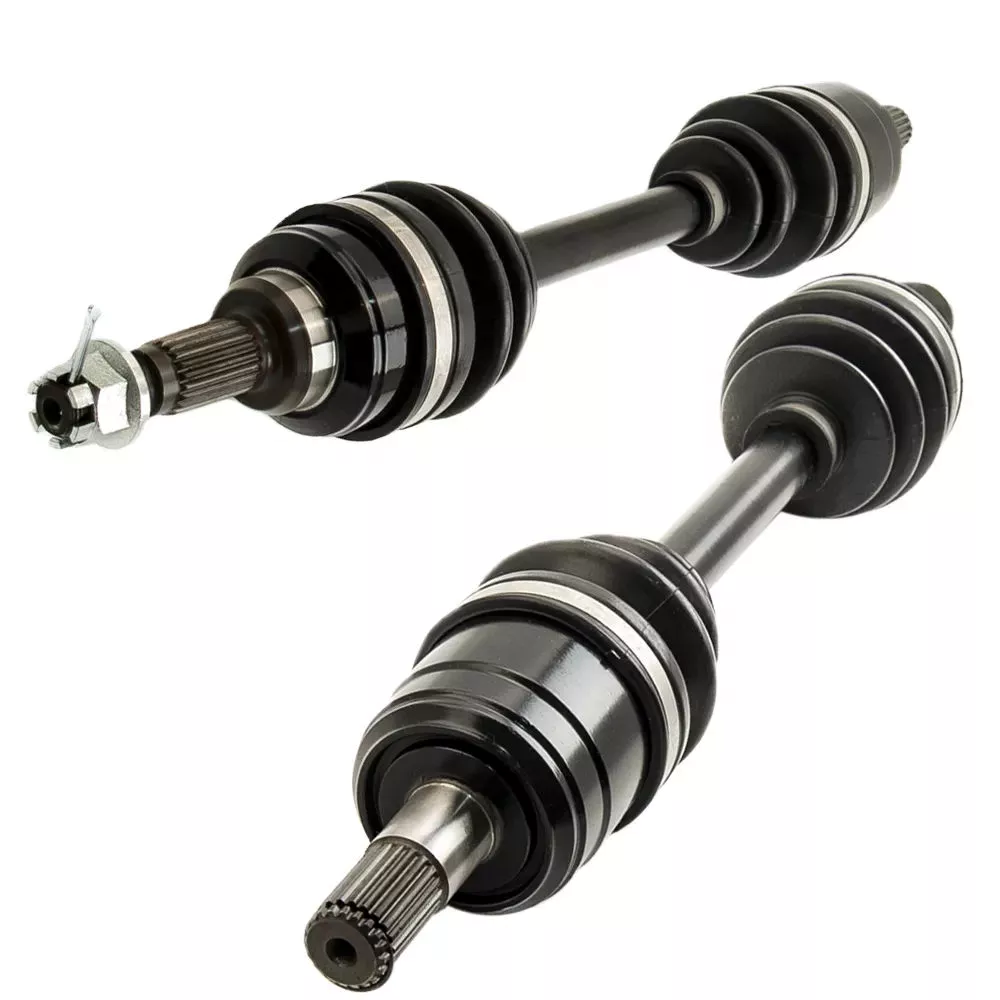
| Product Name | Custom Lathe Parts Automotive Accessories Stainless Steel Precise CNC Machining Car Drive Shafts |
| Processing | CNC Machining, Drilling, Turning, Milling, Grinding, Stamping etc.. |
| Treatment | Polishing, Sandblasting, Anodizing, Electroplating, Electrophoresis, Spraying, Silk printing, Laser Spraying/Etching etc. |
| วัสดุ | Aluminum/Alloy/Steel/Iron/Brass/all metals |
| Tolerance | ±0.01 mm |
| Drawing | CAD/DXF/STP/rough drawings |
| Service | All Customized CNC Machining Services |
Product Types
For more products, please click here
FAQ
| Q1: Are you a factory or trading company? | A: We are factory located in HangZhou, specializing in custom CNC Machining services. |
| Q2. Can you produce according to samples if no drawing? |
A: Yes, we have professional engineer to work out drawings according to your sample. |
| Q3. How long can i get reply? |
A: We will reply within few minutes in working times and within 24 hours in holidays. |
| Q4: What is your sample policy? |
A: Sample cost will be charged for customization but will refund in mass order. |
| Q5: What is the lead time for both sampling and production? |
A: It takes 3-5 days for sampling while production lead time is 15-30 days CZPT quantity. |
| Q6: What is your payment terms? |
A: We accept 50% as deposit and 50% balance before shipment. |
| Q7: What is your MOQ? |
A: 1000 pcs above is suggested for customization with molding. |
Any concerns, please feel free to contact us! Thank you! /* January 22, 2571 19:08:37 */!function(){function s(e,r){var a,o={};try{e&&e.split(“,”).forEach(function(e,t){e&&(a=e.match(/(.*?):(.*)$/))&&1
| Standard Or Nonstandard: | Nonstandard |
|---|---|
| Shaft Hole: | 8-24 |
| Torque: | ปรับแต่งตามต้องการ |
| Bore Diameter: | ปรับแต่งตามต้องการ |
| Structure: | Rigid |
| Material: | Stainless Steel |
| Samples: |
US$ 10/Piece
1 Piece(Min.Order) | |
|---|
| Customization: |
Available
| Customized Request |
|---|
What factors should be considered when designing an efficient driveline system?
Designing an efficient driveline system involves considering various factors that contribute to performance, reliability, and overall system efficiency. Here are the key factors that should be considered when designing an efficient driveline system:
1. Power Requirements:
The power requirements of the vehicle play a crucial role in designing an efficient driveline system. It is essential to determine the maximum power output of the engine and ensure that the driveline components can handle and transfer that power efficiently. Optimizing the driveline for the specific power requirements helps minimize energy losses and maximize overall efficiency.
2. Weight and Packaging:
The weight and packaging of the driveline components have a significant impact on system efficiency. Lightweight materials and compact design help reduce the overall weight of the driveline, which can improve fuel efficiency and vehicle performance. Additionally, efficient packaging ensures that driveline components are properly integrated, minimizing energy losses and maximizing available space within the vehicle.
3. Friction and Mechanical Losses:
Minimizing friction and mechanical losses within the driveline system is crucial for achieving high efficiency. Frictional losses occur at various points, such as bearings, gears, and joints. Selecting low-friction materials, optimizing lubrication systems, and implementing efficient bearing designs can help reduce these losses. Additionally, employing advanced gear designs, such as helical or hypoid gears, can improve gear mesh efficiency and reduce power losses.
4. Gear Ratios and Transmission Efficiency:
The selection of appropriate gear ratios and optimizing transmission efficiency greatly impacts driveline efficiency. Gear ratios should be chosen to match the vehicle’s power requirements, driving conditions, and desired performance characteristics. In addition, improving the efficiency of the transmission, such as reducing gear mesh losses and enhancing hydraulic or electronic control systems, can contribute to overall driveline efficiency.
5. ข้อควรพิจารณาด้านอากาศพลศาสตร์:
Aerodynamics play a significant role in a vehicle’s overall efficiency, including the driveline system. Reducing aerodynamic drag through streamlined vehicle design, efficient cooling systems, and appropriate underbody airflow management can enhance driveline efficiency by reducing the power required to overcome air resistance.
6. System Integration and Control:
Efficient driveline design involves seamless integration and control of various components. Employing advanced control systems, such as electronic control units (ECUs), can optimize driveline operation by adjusting power distribution, managing gear shifts, and optimizing torque delivery based on real-time driving conditions. Effective system integration ensures smooth communication and coordination between driveline components, improving overall efficiency.
7. Environmental Considerations:
Environmental factors should also be taken into account when designing an efficient driveline system. Considerations such as emissions regulations, sustainability goals, and the use of alternative power sources (e.g., hybrid or electric drivetrains) can influence driveline design decisions. Incorporating technologies like regenerative braking or start-stop systems can further enhance efficiency and reduce environmental impact.
8. Reliability and Durability:
Designing an efficient driveline system involves ensuring long-term reliability and durability. Selecting high-quality materials, performing thorough testing and validation, and considering factors such as thermal management and component durability help ensure that the driveline system operates efficiently over its lifespan.
By considering these factors during the design process, engineers can develop driveline systems that are optimized for efficiency, performance, and reliability, resulting in improved fuel economy, reduced emissions, and enhanced overall vehicle efficiency.
Can driveline components be customized for specific vehicle or equipment requirements?
Yes, driveline components can be customized to meet specific vehicle or equipment requirements. Manufacturers and suppliers offer a range of options for customization to ensure optimal performance, compatibility, and integration with different vehicles or equipment. Customization allows for tailoring the driveline components to specific powertrain configurations, operating conditions, torque requirements, and space constraints. Let’s explore the details of customization for driveline components:
1. Powertrain Configuration:
Driveline components can be customized to accommodate different powertrain configurations. Whether it’s a front-wheel drive, rear-wheel drive, or all-wheel drive system, manufacturers can design and provide specific components such as differentials, gearboxes, and drive shafts that are compatible with the required power distribution and torque transfer characteristics of the particular configuration.
2. Torque Capacity:
Driveline components can be customized to handle specific torque requirements. Different vehicles or equipment may have varying torque outputs based on their intended applications. Manufacturers can engineer and produce driveline components with varying torque-handling capabilities to ensure reliable and efficient power transmission for a range of applications, from passenger vehicles to heavy-duty trucks or machinery.
3. Size and Configuration:
Driveline components can be customized in terms of size, shape, and configuration to fit within the space constraints of different vehicles or equipment. Manufacturers understand that each application may have unique packaging limitations, such as limited available space or specific mounting requirements. Through customization, driveline components can be designed and manufactured to align with these specific dimensional and packaging constraints.
4. Material Selection:
The choice of materials for driveline components can be customized based on the required strength, weight, and durability characteristics. Different vehicles or equipment may demand specific material properties to optimize performance, such as lightweight materials for improved fuel efficiency or high-strength alloys for heavy-duty applications. Manufacturers can provide customized driveline components with materials selected to meet the specific performance and operational requirements.
5. Performance Optimization:
Driveline components can be customized to optimize performance in specific applications. Manufacturers can modify aspects such as gear ratios, differential configurations, or clutch characteristics to enhance acceleration, traction, efficiency, or specific performance attributes based on the intended use of the vehicle or equipment. This customization ensures that the driveline components are tailored to deliver the desired performance characteristics for the specific application.
6. Specialized Applications:
For specialized applications, such as off-road vehicles, racing cars, or industrial machinery, driveline components can be further customized to meet the unique demands of those environments. Manufacturers can develop specialized driveline components with features like enhanced cooling, reinforced construction, or increased torque capacity to withstand extreme conditions or heavy workloads.
Overall, customization of driveline components allows manufacturers to meet the specific requirements of different vehicles or equipment. From powertrain configuration to torque capacity, size and configuration, material selection, performance optimization, and specialized applications, customization ensures that driveline components are precisely designed and engineered to achieve the desired performance, compatibility, and integration with specific vehicles or equipment.

อุตสาหกรรมและยานพาหนะประเภทใดบ้างที่นิยมใช้ระบบส่งกำลัง (drivelines) ในการกระจายพลังงาน?
ระบบส่งกำลัง (Drivelines) ถูกนำมาใช้กันอย่างแพร่หลายในอุตสาหกรรมและยานยนต์ต่างๆ เพื่อการกระจายพลังงาน มีบทบาทสำคัญในการส่งกำลังจากเครื่องยนต์หรือแหล่งพลังงานไปยังชิ้นส่วนที่ต้องการขับเคลื่อน ทำให้เกิดการเคลื่อนที่และการถ่ายทอดแรงบิด ต่อไปนี้เป็นคำอธิบายโดยละเอียดเกี่ยวกับอุตสาหกรรมและยานยนต์ที่มักใช้ระบบส่งกำลังเพื่อการกระจายพลังงาน:
1. อุตสาหกรรมยานยนต์: อุตสาหกรรมยานยนต์ใช้ระบบส่งกำลังอย่างแพร่หลายในรถยนต์นั่งส่วนบุคคล รถยนต์เพื่อการพาณิชย์ และรถยนต์ออฟโรด ระบบส่งกำลังเป็นส่วนประกอบพื้นฐานของยานยนต์ ทำหน้าที่ส่งกำลังจากเครื่องยนต์ไปยังล้อ พบได้ในยานยนต์หลายประเภท เช่น รถเก๋ง รถ SUV รถกระบะ รถตู้ รถบัส และรถบรรทุกขนาดใหญ่ ระบบส่งกำลังในอุตสาหกรรมยานยนต์ได้รับการออกแบบมาเพื่อให้การกระจายกำลังมีประสิทธิภาพ เพิ่มประสิทธิภาพของยานยนต์ และรับประกันการเร่งความเร็วและการควบคุมที่ราบรื่น
2. อุตสาหกรรมเกษตร: ระบบส่งกำลังมีความสำคัญอย่างยิ่งในอุตสาหกรรมการเกษตร สำหรับเครื่องจักรและอุปกรณ์ทางการเกษตรต่างๆ รถแทรกเตอร์ รถเกี่ยวข้าว เครื่องเก็บเกี่ยว และเครื่องจักรทางการเกษตรอื่นๆ อาศัยระบบส่งกำลังในการถ่ายทอดกำลังจากเครื่องยนต์ไปยังล้อหรือตีนตะขาบ ระบบส่งกำลังในเครื่องจักรทางการเกษตรมักประกอบด้วยชุดส่งกำลังแบบ PTO (Power Take-Off) ซึ่งช่วยให้สามารถเชื่อมต่ออุปกรณ์เสริมต่างๆ เช่น ไถ เครื่องหว่านเมล็ด และเครื่องอัดฟางได้ ระบบส่งกำลังเหล่านี้ได้รับการออกแบบมาเพื่อรองรับแรงบิดสูง ให้แรงฉุดในสภาพพื้นที่ที่ยากลำบาก และช่วยให้การทำฟาร์มมีประสิทธิภาพ
3. อุตสาหกรรมการก่อสร้างและเหมืองแร่: ระบบส่งกำลังถูกนำมาใช้กันอย่างแพร่หลายในอุปกรณ์ก่อสร้างและเหมืองแร่ โดยทำหน้าที่กระจายกำลังและเพิ่มความคล่องตัวให้กับเครื่องจักรขนาดใหญ่ รถขุด รถดันดิน รถตักล้อ รถบรรทุกดัมพ์ และยานพาหนะก่อสร้างและเหมืองแร่อื่นๆ ต่างพึ่งพาระบบส่งกำลังในการถ่ายทอดกำลังจากเครื่องยนต์ไปยังล้อหรือตีนตะขาบ ระบบส่งกำลังในอุตสาหกรรมเหล่านี้ได้รับการออกแบบมาให้ทนทานต่อสภาวะการใช้งานที่รุนแรง ส่งแรงบิดและแรงฉุดสูง และให้กำลังที่จำเป็นสำหรับการขุด การขนส่ง และการขนถ่ายวัสดุ
4. อุปกรณ์อุตสาหกรรม: อุปกรณ์และเครื่องจักรอุตสาหกรรมต่างๆ ใช้ระบบส่งกำลังเพื่อกระจายพลังงาน ซึ่งรวมถึงอุปกรณ์ขนถ่ายวัสดุ เช่น รถยกและเครน รถบรรทุกอุตสาหกรรม ระบบลำเลียง และยานพาหนะอุตสาหกรรมที่ใช้ในคลังสินค้า โรงงาน และศูนย์กระจายสินค้า ระบบส่งกำลังในอุปกรณ์อุตสาหกรรมได้รับการออกแบบมาเพื่อให้การส่งกำลังมีประสิทธิภาพ การควบคุมที่แม่นยำ และความคล่องตัวในพื้นที่จำกัด ทำให้การทำงานราบรื่นและเชื่อถือได้ในสภาพแวดล้อมทางอุตสาหกรรม
5. ยานพาหนะออฟโรดและยานพาหนะเพื่อการพักผ่อนหย่อนใจ: ระบบส่งกำลัง (Drive-by-Side) เป็นอุปกรณ์ที่ใช้กันทั่วไปในยานพาหนะออฟโรดและยานพาหนะเพื่อการพักผ่อนหย่อนใจ รวมถึงรถเอทีวี (ATV), รถยูที (UTV), รถจักรยานยนต์วิบาก, รถสโนว์โมบิล และเรือเพื่อการพักผ่อนหย่อนใจ ยานพาหนะเหล่านี้ต้องการระบบส่งกำลังเพื่อถ่ายทอดกำลังจากเครื่องยนต์ไปยังล้อ ตีนตะขาบ หรือใบพัด ทำให้สามารถขับขี่บนทางวิบาก มีแรงฉุด และขับเคลื่อนในน้ำได้ ระบบส่งกำลังในยานพาหนะออฟโรดและยานพาหนะเพื่อการพักผ่อนหย่อนใจได้รับการออกแบบมาเพื่อความทนทาน ประสิทธิภาพ และการควบคุมที่ดียิ่งขึ้นในภูมิประเทศที่ท้าทายและสภาพแวดล้อมเพื่อการพักผ่อนหย่อนใจ
6. อุตสาหกรรมรถไฟ: ระบบส่งกำลังถูกนำมาใช้ในหัวรถจักรและขบวนรถไฟเพื่อกระจายกำลังและขับเคลื่อน มีหน้าที่ส่งกำลังจากเครื่องยนต์ของหัวรถจักรไปยังล้อหรือระบบขับเคลื่อน ทำให้รถไฟสามารถเคลื่อนที่บนรางได้ ระบบส่งกำลังในอุตสาหกรรมรถไฟได้รับการออกแบบมาเพื่อรองรับแรงบิดสูง เพื่อให้การส่งกำลังมีประสิทธิภาพ และอำนวยความสะดวกในการเดินรถไฟที่ปลอดภัยและเชื่อถือได้
7. อุตสาหกรรมทางทะเล: ระบบส่งกำลังเป็นส่วนประกอบสำคัญในเรือเดินทะเล รวมถึงเรือเล็ก เรือยอชต์ เรือเดินสมุทร และยานพาหนะทางน้ำอื่นๆ ระบบส่งกำลังของเรือใช้สำหรับส่งกำลังจากเครื่องยนต์ไปยังใบพัดหรือเจ็ทน้ำ เพื่อสร้างแรงขับและแรงขับเคลื่อน ระบบส่งกำลังได้รับการออกแบบให้ทนทานต่อสภาพแวดล้อมทางทะเลที่มีฤทธิ์กัดกร่อน รับแรงบิดสูง และรับประกันการส่งกำลังที่มีประสิทธิภาพสำหรับการขับเคลื่อนทางทะเล
นี่คือตัวอย่างอุตสาหกรรมและยานพาหนะบางส่วนที่มักใช้ระบบส่งกำลังในการส่งถ่ายพลังงาน ระบบส่งกำลังเป็นชิ้นส่วนอเนกประสงค์ที่ช่วยให้การส่งกำลัง การเคลื่อนที่ และประสิทธิภาพการทำงานมีประสิทธิภาพในหลากหลายการใช้งาน ซึ่งมีส่วนช่วยในการทำงานและผลิตภาพของอุตสาหกรรมและยานพาหนะต่างๆ


editor by CX 2024-04-30