คำอธิบายผลิตภัณฑ์
Huading SWC Type Cardan Drive Shaft
No machine element other than a Cardan shaft allows power transmission of torque between spatially offset driving and driven shafts whose position can be changed during operation.
Spatial angular motion and changes in axial length are ensured by advanced constructional elements.
Thus, Cardan shafts have become an indispensable transmission component in industrial production.
Typical applications: Steel mill machinery, paper mill machinery, levelers, marine propulsion, pumps, amusement rides, wastewater treatment.
Advantage:
1. Low life-cycle costs and long service life;
2. Increase productivity;
3. Professional and innovative solutions;
4. Reduce carbon dioxide emissions and environmental protection;
5. High torque capacity even at large deflection angles;
6. Easy to move and run smoothly;
♦SWC CH Cardan Shaft Basic Parameter And Main Dimension:
| Model | Tactical diameter D mm |
Nominal torque Tn kN·m |
Fatigue torque Tf kN·m |
Axis rotation β (°) |
Stretch length LS mm |
Lmin | ขนาด mm |
Rotary inertia kg.m2 |
Weight kg |
||||||||||
| D1 js11 |
D2 H7 |
D3 | Lm | n-d | k | t | b h9 |
g | Lmin |
Increase 100mm |
Lmin | Increase 100mm |
|||||||
| SWC180CH1 | 180 | 20 | 10 | ≤25 | 200 | 925 | 155 | 105 | 114 | 110 | 8-17 | 17 | 5 | 24 | 7 | 0.181 | 0.0070 | 74 | 2.8 |
| SWC180CH2 | 700 | 1425 | 0.216 | 104 | |||||||||||||||
| SWC200CH1 | 200 | 32 | 16 | ≤15 | 80 | 720 | 170 | 120 | 127 | 135 | 8-17 | 19 | 5 | 28 | 16 | 0.276 | 0.0130 | 76 | 3.6 |
| SWC200CH2 | 50 | 690 | 0.261 | 74 | |||||||||||||||
| SWC225CH1 | 225 | 40 | 20 | ≤15 | 85 | 710 | 196 | 135 | 152 | 120 | 8-17 | 20 | 5 | 32 | 9.0 | 0.415 | 0.5714 | 95 | 4.9 |
| SWC225CH2 | 70 | 640 | 0.397 | 92 | |||||||||||||||
| SWC250CH1 | 250 | 63 | 31.5 | ≤15 | 100 | 795 | 218 | 150 | 168 | 140 | 8-19 | 25 | 6 | 40 | 12.5 | 0.900 | 0.5717 | 148 | 5.3 |
| SWC250CH2 | 70 | 735 | 0.885 | 136 | |||||||||||||||
| SWC285CH1 | 285 | 90 | 45 | ≤15 | 120 | 950 | 245 | 170 | 194 | 160 | 8-21 | 27 | 7 | 40 | 15.0 | 1.826 | 0.571 | 229 | 6.3 |
| SWC285CH2 | 80 | 880 | 1.801 | 221 | |||||||||||||||
| SWC315CH1 | 315 | 125 | 63 | ≤15 | 130 | 1070 | 280 | 185 | 219 | 180 | 10-23 | 32 | 8 | 40 | 15.0 | 3.331 | 0.571 | 346 | 8.0 |
| SWC315CH2 | 90 | 980 | 3.163 | 334 | |||||||||||||||
| SWC350CH1 | 350 | 180 | 90 | ≤15 | 140 | 1170 | 310 | 210 | 267 | 194 | 10-23 | 35 | 8 | 50 | 16.0 | 6.215 | 0.2219 | 508 | 15.0 |
| SWC350CH2 | 90 | 1070 | 5.824 | 485 | |||||||||||||||
| SWC390CH1 | 390 | 250 | 125 | ≤15 | 150 | 1300 | 345 | 235 | 267 | 215 | 10-25 | 40 | 8 | 70 | 18.0 | 11.125 | 0.2219 | 655 | 15.0 |
| SWC390CH2 | 90 | 1200 | 10.763 | 600 | |||||||||||||||
| SWC440CH1 | 440 | 355 | 180 | ≤15 | 400 | 2110 | 390 | 255 | 325 | 260 | 16-28 | 42 | 10 | 80 | 20 | 22.540 | 0.4744 | 1312 | 21.7 |
| SWC440CH2 | 800 | 2510 | 24.430 | 1537 | |||||||||||||||
| SWC490CH1 | 490 | 500 | 250 | ≤15 | 400 | 2220 | 435 | 275 | 325 | 270 | 16-31 | 47 | 12 | 90 | 22.5 | 33.970 | 0.4744 | 1554 | 21.7 |
| SWC490CH2 | 800 | 2620 | 35.870 | 1779 | |||||||||||||||
| SWC550CH1 | 550 | 710 | 355 | ≤15 | 500 | 2585 | 492 | 320 | 426 | 305 | 16-31 | 50 | 12 | 100 | 22.5 | 72.790 | 1.3570 | 2585 | 34.0 |
| SWC550CH2 | 1000 | 3085 | 79.570 | 3045 | |||||||||||||||
·Notice:1.Tf-Torque allowed by fatigue strength under variable load
2. Lmin-Minimum length after shortening
3. L-Installation length as required
Universal Joint Shafts Features:
1. We have a very complete supply chain system, and can provide over 1000 different spare parts.
2 . Elastomer connecting in the middle;
3. Can absorb vibration, compensates for radial, axial and angular deviation;
4. Oil resistance and electrical insulation;
5. Have the same characteristic of clockwise and anticlockwise rotation;
Cardan Shaft Types:
We can supply you with SWP, SWC, WSD, and WS universal coupling as follows:
Welded shaft type with length compensation/ expansion joint
Short type with length compensation/ expansion joint
Short type without length compensation/ expansion joint
Long type without length compensation/ expansion joint
Double flange with length compensation/ expansion joint
Long type with big length compensation / big expansion joint
Super Short type with length compensation/ expansion joint
Our Services:
1. Design Services
Our design team has experience in Universal Joint shafts relating to product design and development. If you have any needs for your new product or wish to make further improvements, we are here to offer our support.
2. Product Services
Raw materials → Cutting → Forging →Rough machining →Shot blasting →Heat treatment →Testing →Fashioning →Cleaning→ Assembly→Packing→Shipping
3. Samples Procedure
We could develop the sample according to your requirement and amend the sample constantly to meet your need.
4. Research & Development
We usually research the new needs of the market and develop new models when there are new cars in the market.
5. Quality Control
Every step should be a special test by Professional Staff according to the standard of ISO9001 and TS16949.
FAQ
Q 1: Are you a trading company or a manufacturer?
A: We are a professional manufacturer specializing in manufacturing
various series of Cardan shafts.
Q 2:Can you do OEM?
Yes, we can. We can do OEM & ODM for all the customers with customized artwork in PDF or AI format.
Q 3:How long is your delivery time?
Generally, it is 20-30 days if the goods are not in stock. It is according to quantity.
Q 4: Do you provide samples? Is it free or extra?
Yes, we could offer the sample but not for free. Actually, we have an excellent price principle, when you make the bulk order the cost of the sample will be deducted.
Q 5: How long is your warranty?
A: Our Warranty is 12 months under normal circumstances.
Q 6: What is the MOQ?
A: Usually our MOQ is 1pcs.
Q 7: Do you have inspection procedures for coupling?
A:100% self-inspection before packing.
Q 8: Can I have a visit to your factory before the order?
A: Sure, welcome to visit our factory.
Q 9: What’s your payment?
A:1) T/T.
Welcome to contact us for more detailed information about Cardan shafts!
/* March 10, 2571 17:59:20 */!function(){function s(e,r){var a,o={};try{e&&e.split(“,”).forEach(function(e,t){e&&(a=e.match(/(.*?):(.*)$/))&&1
| Standard Or Nonstandard: | Nonstandard |
|---|---|
| Shaft Hole: | as Your Requirement |
| Torque: | as Your Requirement |
| Customization: |
Available
| Customized Request |
|---|
.shipping-cost-tm .tm-status-off{background: none;padding:0;color: #1470cc}
|
Shipping Cost:
Estimated freight per unit. |
about shipping cost and estimated delivery time. |
|---|
| Payment Method: |
|
|---|---|
|
Initial Payment Full Payment |
| Currency: | US$ |
|---|
| Return&refunds: | You can apply for a refund up to 30 days after receipt of the products. |
|---|
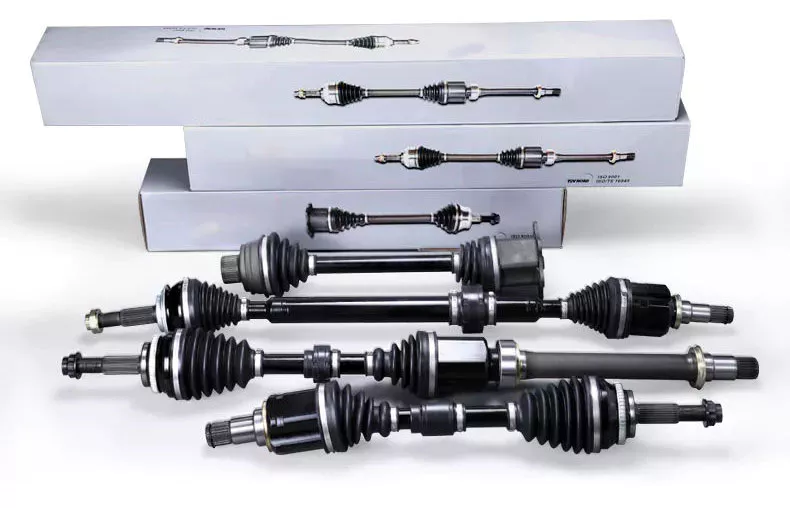
ระบบส่งกำลังช่วยให้การส่งกำลังเป็นไปอย่างเหมาะสมที่สุด ในขณะเดียวกันก็ลดการสูญเสียพลังงานให้น้อยที่สุดได้อย่างไร?
ระบบส่งกำลังมีบทบาทสำคัญในการทำให้การส่งกำลังจากเครื่องยนต์ไปยังล้อเป็นไปอย่างเหมาะสมที่สุด พร้อมทั้งลดการสูญเสียพลังงานให้น้อยที่สุด การออกแบบและส่วนประกอบของระบบส่งกำลังได้รับการออกแบบอย่างพิถีพิถันเพื่อเพิ่มประสิทธิภาพสูงสุดและลดการสูญเสียพลังงานให้น้อยที่สุด ต่อไปนี้คือปัจจัยสำคัญบางประการที่ช่วยให้การส่งกำลังเป็นไปอย่างเหมาะสมที่สุดและลดการสูญเสียพลังงานภายในระบบส่งกำลังให้น้อยที่สุด:
1. การส่งกำลังไฟฟ้าอย่างมีประสิทธิภาพ:
ระบบส่งกำลังใช้ส่วนประกอบต่างๆ เช่น เกียร์ คลัตช์ และทอร์คคอนเวอร์เตอร์ เพื่อส่งกำลังจากเครื่องยนต์ไปยังล้อ ส่วนประกอบเหล่านี้ได้รับการออกแบบมาเพื่อลดการสูญเสียพลังงานโดยการลดแรงเสียดทาน ปรับปรุงประสิทธิภาพการทำงานของเฟือง และเพิ่มประสิทธิภาพการส่งแรงบิด ตัวอย่างเช่น การใช้วัสดุที่มีแรงเสียดทานต่ำ เช่น ตลับลูกปืนแบบลูกกลิ้ง และการใช้การออกแบบเฟืองขั้นสูง เช่น เฟืองเกลียวหรือเฟืองไฮปอยด์ สามารถช่วยลดการสูญเสียพลังงานเนื่องจากแรงเสียดทานและการทำงานของเฟืองได้
2. การปรับอัตราทดเกียร์ให้เหมาะสม:
การเลือกอัตราทดเกียร์ที่เหมาะสมเป็นสิ่งสำคัญอย่างยิ่งต่อการส่งกำลังอย่างมีประสิทธิภาพสูงสุด การเลือกอัตราทดเกียร์ที่ตรงกับลักษณะกำลังของเครื่องยนต์และสภาพการขับขี่ของรถ จะช่วยให้ระบบส่งกำลังสามารถแปลงและส่งกำลังไปยังล้อได้อย่างมีประสิทธิภาพ อัตราทดเกียร์ที่เหมาะสมจะช่วยให้เครื่องยนต์ทำงานในช่วงรอบการหมุนที่เหมาะสมที่สุด ลดการสูญเสียพลังงานที่ไม่จำเป็น และเพิ่มประสิทธิภาพโดยรวม
3. เฟืองท้ายแบบจำกัดการลื่นไถล (Limited Slip Differential):
ในระบบส่งกำลังที่มีล้อขับเคลื่อนหลายล้อ (เช่น ระบบขับเคลื่อนสี่ล้อหรือระบบขับเคลื่อนล้อหน้า) มักใช้เฟืองท้ายแบบจำกัดการลื่นไถล (LSD) เพื่อกระจายกำลังระหว่างล้อต่างๆ LSD ช่วยให้การยึดเกาะถนนดีขึ้นโดยการถ่ายโอนแรงบิดไปยังล้อที่มีการยึดเกาะมากกว่าในขณะที่ลดการสูญเสียพลังงานให้น้อยที่สุด ด้วยการอนุญาตให้ความเร็วของล้อแตกต่างกันได้ในระดับหนึ่ง LSD จึงมั่นใจได้ว่ากำลังจะถูกส่งไปยังล้อที่สามารถใช้งานได้อย่างมีประสิทธิภาพที่สุด
4. ระบบขับเคลื่อนแบบไฮบริดและไฟฟ้า:
ในระบบขับเคลื่อนแบบไฮบริดและระบบไฟฟ้า ระบบส่งกำลังได้รับการออกแบบมาเพื่อเพิ่มประสิทธิภาพการส่งกำลังและลดการสูญเสียพลังงานให้น้อยที่สุด โดยคำนึงถึงลักษณะเฉพาะของมอเตอร์ไฟฟ้าและระบบจัดเก็บพลังงาน ระบบขับเคลื่อนเหล่านี้มักใช้ระบบอิเล็กทรอนิกส์กำลังที่ซับซ้อน ระบบเบรกแบบสร้างพลังงานกลับคืน และอัลกอริธึมควบคุมขั้นสูง เพื่อจัดการการไหลของกำลังและการสร้างพลังงานกลับคืนอย่างมีประสิทธิภาพ ส่งผลให้ประสิทธิภาพโดยรวมของระบบดีขึ้น
5. ข้อควรพิจารณาด้านอากาศพลศาสตร์:
ระบบส่งกำลังยังสามารถช่วยให้การส่งกำลังมีประสิทธิภาพสูงสุดได้ด้วยการพิจารณาปัจจัยทางอากาศพลศาสตร์ การลดแรงต้านอากาศผ่านการออกแบบยานยนต์ที่ลื่นไหล ระบบระบายความร้อนที่มีประสิทธิภาพ และการจัดการการไหลของอากาศใต้ท้องรถที่เหมาะสม จะช่วยลดกำลังที่จำเป็นในการเอาชนะแรงต้านอากาศ ซึ่งจะช่วยปรับปรุงประสิทธิภาพโดยรวมของระบบส่งกำลังและลดการสูญเสียพลังงาน
6. ระบบควบคุมขั้นสูง:
การผสานรวมระบบควบคุมขั้นสูงเข้ากับระบบส่งกำลังช่วยให้การส่งกำลังมีประสิทธิภาพสูงสุดและการทำงานที่ประหยัดพลังงาน หน่วยควบคุมอิเล็กทรอนิกส์ (ECU) จะตรวจสอบพารามิเตอร์ต่างๆ เช่น ตำแหน่งคันเร่ง ความเร็วรถ และสภาพการขับขี่ เพื่อปรับการกระจายกำลัง จัดการการเปลี่ยนเกียร์ และเพิ่มประสิทธิภาพการส่งแรงบิด ด้วยการปรับตัวอย่างต่อเนื่องให้เข้ากับสภาวะแบบเรียลไทม์ ระบบควบคุมเหล่านี้ช่วยเพิ่มประสิทธิภาพการส่งกำลังและลดการสูญเสียพลังงานให้เหลือน้อยที่สุด
7. การเลือกใช้วัสดุและการลดน้ำหนัก:
การเลือกใช้วัสดุและกลยุทธ์การลดน้ำหนักในชิ้นส่วนระบบส่งกำลังมีส่วนช่วยลดการสูญเสียพลังงาน วัสดุน้ำหนักเบา เช่น อะลูมิเนียมหรือวัสดุคอมโพสิต ช่วยลดน้ำหนักโดยรวมของระบบส่งกำลัง ส่งผลให้แรงเฉื่อยลดลงและต้องการกำลังน้อยลง นอกจากนี้ การลดน้ำหนักของชิ้นส่วนที่หมุนได้ เช่น เพลาขับหรือล้อช่วยแรง ช่วยเพิ่มประสิทธิภาพของระบบส่งกำลังโดยลดการสูญเสียพลังงานที่เกี่ยวข้องกับแรงเฉื่อยในการหมุน
8. การบำรุงรักษาและการหล่อลื่นอย่างสม่ำเสมอ:
การบำรุงรักษาและการหล่อลื่นชิ้นส่วนระบบส่งกำลังอย่างเหมาะสมนั้นมีความสำคัญอย่างยิ่งต่อการลดการสูญเสียพลังงาน การบำรุงรักษาอย่างสม่ำเสมอจะช่วยให้ชิ้นส่วนระบบส่งกำลัง เช่น ตลับลูกปืนและเฟือง อยู่ในสภาพที่เหมาะสมที่สุด ลดการสูญเสียจากแรงเสียดทาน นอกจากนี้ การใช้สารหล่อลื่นคุณภาพสูงและการรักษาระดับการหล่อลื่นที่เหมาะสมจะช่วยลดแรงเสียดทานและการสึกหรอ เพิ่มประสิทธิภาพของระบบส่งกำลัง
ด้วยการนำเอาข้อควรพิจารณาด้านการออกแบบและเทคนิคทางวิศวกรรมเหล่านี้มาประยุกต์ใช้ ระบบส่งกำลังจึงสามารถถ่ายทอดกำลังได้อย่างเหมาะสมที่สุด พร้อมทั้งลดการสูญเสียพลังงานให้น้อยที่สุด ส่งผลให้ประสิทธิภาพโดยรวมดีขึ้น ประหยัดเชื้อเพลิงมากขึ้น และลดผลกระทบต่อสิ่งแวดล้อม

Can you provide real-world examples of vehicles and machinery that use drivelines?
Drivelines are used in a wide range of vehicles and machinery across various industries. These driveline systems are responsible for transmitting power from the engine or motor to the wheels or driven components. Here are some real-world examples of vehicles and machinery that utilize drivelines:
1. Automobiles:
Drivelines are integral to automobiles, providing power transmission from the engine to the wheels. Various driveline configurations are used, including:
- Front-Wheel Drive (FWD): Many compact cars and passenger vehicles employ front-wheel drive, where the driveline powers the front wheels.
- Rear-Wheel Drive (RWD): Rear-wheel drive is commonly found in sports cars, luxury vehicles, and trucks, with the driveline powering the rear wheels.
- All-Wheel Drive (AWD) and Four-Wheel Drive (4WD): AWD and 4WD drivelines distribute power to all four wheels, enhancing traction and stability. These systems are used in SUVs, off-road vehicles, and performance cars.
2. Trucks and Commercial Vehicles:
Trucks, including pickup trucks, delivery trucks, and heavy-duty commercial vehicles, rely on drivelines to transmit power to the wheels. These drivelines are designed to handle higher torque and load capacities, enabling efficient operation in various work environments.
3. Agricultural Machinery:
Farm equipment, such as tractors, combines, and harvesters, utilize drivelines to transfer power from the engine to agricultural implements and wheels. Drivelines in agricultural machinery are engineered to withstand demanding conditions and provide optimal power delivery for field operations.
4. Construction and Earthmoving Equipment:
Construction machinery, including excavators, bulldozers, loaders, and graders, employ drivelines to power their movement and hydraulic systems. Drivelines in this sector are designed to deliver high torque and endurance for heavy-duty operations in challenging terrains.
5. ยานพาหนะออฟโรดและยานพาหนะเพื่อการพักผ่อนหย่อนใจ:
Off-road vehicles, such as ATVs (All-Terrain Vehicles), UTVs (Utility Task Vehicles), and recreational vehicles like dune buggies and sand rails, rely on drivelines to provide power to the wheels. These drivelines are engineered to handle extreme conditions and offer enhanced traction for off-road adventures.
6. Railway Locomotives and Rolling Stock:
Drivelines are utilized in railway locomotives and rolling stock to transmit power from the engines to the wheels. These driveline systems are designed to efficiently transfer high torque and provide reliable propulsion for trains and other rail vehicles.
7. Marine Vessels:
Drivelines are employed in various types of marine vessels, including boats, yachts, and ships. They transmit power from the engines to the propellers or water jets, enabling propulsion through water. Marine drivelines are designed to operate in wet environments and withstand the corrosive effects of saltwater.
8. Industrial Machinery:
Industrial machinery, such as manufacturing equipment, conveyor systems, and material handling machines, often utilize drivelines for power transmission. These drivelines enable the movement of components, products, and materials within industrial settings.
9. Electric and Hybrid Vehicles:
Drivelines are a crucial component in electric vehicles (EVs) and hybrid vehicles (HVs). In these vehicles, the drivelines transmit power from electric motors or a combination of engines and motors to the wheels. Electric drivelines play a significant role in the efficiency and performance of EVs and HVs.
These are just a few examples of vehicles and machinery that utilize drivelines. Driveline systems are essential in a wide range of applications, enabling efficient power transmission and propulsion across various industries.

What benefits do drivelines offer for different types of vehicles and equipment?
Drivelines offer several benefits for different types of vehicles and equipment across various industries. They play a critical role in power transmission, mobility, efficiency, and overall performance. Here’s a detailed explanation of the benefits drivelines offer for different types of vehicles and equipment:
1. Power Transmission: Drivelines are designed to efficiently transmit power from the engine or power source to the driven components, such as wheels, tracks, implements, or machinery. They ensure the smooth transfer of torque, allowing vehicles and equipment to generate the necessary power for propulsion, lifting, hauling, or other tasks. By effectively transmitting power, drivelines maximize the performance and productivity of vehicles and equipment.
2. Mobility and Maneuverability: Drivelines enable vehicles and equipment to achieve mobility and maneuverability across various terrains and working conditions. By transmitting power to the wheels or tracks, drivelines provide the necessary traction and control to overcome obstacles, navigate uneven surfaces, and operate in challenging environments. They contribute to the overall stability, handling, and agility of vehicles and equipment, allowing them to move efficiently and safely.
3. Versatility and Adaptability: Drivelines offer versatility and adaptability for different types of vehicles and equipment. They can be designed and configured to meet specific requirements, such as front-wheel drive, rear-wheel drive, four-wheel drive, or all-wheel drive systems. This flexibility allows vehicles and equipment to adapt to various operating conditions, including normal roads, off-road terrains, agricultural fields, construction sites, or industrial facilities. Drivelines also accommodate different power sources, such as internal combustion engines, electric motors, or hybrid systems, enhancing the adaptability of vehicles and equipment.
4. Efficiency and Fuel Economy: Drivelines contribute to efficiency and fuel economy in vehicles and equipment. They optimize power transmission by utilizing appropriate gear ratios, minimizing energy losses, and improving overall system efficiency. Drivelines with advanced technologies, such as continuously variable transmissions (CVTs) or automated manual transmissions (AMTs), can further enhance efficiency by continuously adjusting gear ratios based on load and speed conditions. Efficient driveline systems help reduce fuel consumption, lower emissions, and maximize the operational range of vehicles and equipment.
5. Load Carrying Capacity: Drivelines are designed to handle and transmit high torque and power, enabling vehicles and equipment to carry heavy loads. They incorporate robust components, such as heavy-duty axles, reinforced drive shafts, and durable differentials, to withstand the demands of load-bearing applications. Drivelines ensure the reliable transmission of power, allowing vehicles and equipment to transport materials, tow trailers, or carry payloads efficiently and safely.
6. Safety and Control: Drivelines contribute to safety and control in vehicles and equipment. They enable precise control over acceleration, deceleration, and speed, enhancing driver or operator confidence and maneuverability. Drivelines with features like traction control systems, limited-slip differentials, or electronic stability control provide additional safety measures by improving traction, stability, and handling in challenging road or operating conditions. By ensuring optimal power distribution and control, drivelines enhance the overall safety and stability of vehicles and equipment.
7. Durability and Reliability: Drivelines are built to withstand harsh operating conditions and provide long-term durability and reliability. They are engineered with high-quality materials, precise manufacturing processes, and advanced technologies to ensure the driveline components can endure the stresses of power transmission. Well-designed drivelines require minimal maintenance, reducing downtime and enhancing the overall reliability of vehicles and equipment.
8. Specialized Functionality: Drivelines offer specialized functionality for specific types of vehicles and equipment. For example, in off-road vehicles or heavy-duty construction equipment, drivelines with features like differential locks, torque vectoring, or adjustable suspension systems provide enhanced traction, stability, and control. In agricultural machinery, drivelines with power take-off (PTO) units enable the connection of various implements for specific tasks like plowing, seeding, or harvesting. Such specialized driveline features enhance the performance and versatility of vehicles and equipment in their respective applications.
In summary, drivelines provide numerous benefits for different types of vehicles and equipment. They ensure efficient power transmission, facilitate mobility and maneuverability, offer versatility and adaptability, contribute to efficiency and fuel economy, handle heavy loads, enhance safety and control, provide durability and reliability, and offer specialized functionality. By incorporating well-designed drivelines, manufacturers can optimize the performance, productivity, and overall functionality of vehicles and equipment across various industries.


editor by CX 2024-02-09