คำอธิบายผลิตภัณฑ์
OEM ODM Pto Drive Cardan Transmission Shaft Tractor Parts for Agriculture Machinery with Ce Certificate
1. Tubes or Pipes
We’ve already got Triangular profile tube and Lemon profile tube for all the series we provide.
And we have some star tube, splined tube and other profile tubes required by our customers (for a certain series). (Please notice that our catalog doesnt contain all the items we produce)
If you want tubes other than triangular or lemon, please provide drawings or pictures.
2.End yokes
We’ve got several types of quick release yokes and plain bore yoke. I will suggest the usual type for your reference.
You can also send drawings or pictures to us if you cannot find your item in our catalog.
3. Safety devices or clutches
I will attach the details of safety devices for your reference. We’ve already have Free wheel (RA), Ratchet torque limiter(SA), Shear bolt torque limiter(SB), 3types of friction torque limiter (FF,FFS,FCS) and overrunning couplers(adapters) (FAS).
4.For any other more special requirements with plastic guard, connection method, color of painting, package, etc., please feel free to let me know.
Features:
1. We have been specialized in designing, manufacturing drive shaft, steering coupler shaft, universal joints, which have exported to the USA, Europe, Australia etc for years
2. Application to all kinds of general mechanical situation
3. Our products are of high intensity and rigidity.
4. Heat resistant & Acid resistant
5. OEM orders are welcomed
Our factory is a leading manufacturer of PTO shaft yoke and universal joint.
We manufacture high quality PTO yokes for various vehicles, construction machinery and equipment. All products are constructed with rotating lighter.
We are currently exporting our products throughout the world, especially to North America, South America, Europe, and Russia. If you are interested in any item, please do not hesitate to contact us. We are looking CZPT to becoming your suppliers in the near future.
FAQ:
Q1: Are you trading company or manufacturer ?
A: We are factory.
Q2: How long is your delivery time and shipment?
1.Sample Lead-times: generally 10 workdays.
2.Production Lead-times: 20-40 workdays after getting your deposit.
Q3. What is your terms of payment?
A: T/T 30% as deposit, and 70% before delivery.
Q4: What is your advantages?
1. Manufacturer,the most competitive price and good quality.
2. Perfect technical engineers give you the best support.
3. OEM is available.
4. Rich stock and quick delivery.
Q5. If you can’t find the product on our website,what do you next?
Please send us inquiry with product pictures and drawings by email or other ways and we’ll check.
| Type: | Fork |
|---|---|
| Usage: | Agricultural Products Processing, Farmland Infrastructure, Tillage, Harvester, Planting and Fertilization, Grain Threshing, Cleaning and Drying |
| Material: | Carbon Steel |
| Power Source: | Pto Shaft Tube |
| Transport Package: | Standard Sea Worthy Package |
| Specification: | ISO |
| Customization: |
Available
| Customized Request |
|---|

How do drivelines handle variations in load and torque during operation?
Drivelines are designed to handle variations in load and torque during operation by incorporating various components and mechanisms that optimize power transmission and mitigate the effects of these variations. Let’s delve into the ways drivelines handle load and torque variations:
1. Flexible Couplings:
Drivelines often utilize flexible couplings, such as universal joints or constant velocity (CV) joints, to accommodate misalignment and angular variations between connected components. These couplings allow for smooth power transmission even when there are slight misalignments or changes in angles. They can compensate for variations in load and torque by flexing and adjusting their angles, thereby reducing stress on the driveline components.
2. Torque Converters:
In some driveline systems, such as those found in automatic transmissions, torque converters are employed. Torque converters use hydraulic principles to transmit power between the engine and the drivetrain. They provide a degree of slip, which allows for torque multiplication and smooth power delivery, especially during low-speed and high-load conditions. Torque converters help manage variations in torque by absorbing and dampening sudden changes, ensuring smoother operation.
3. Clutches:
Clutches play a critical role in drivelines, particularly in manual transmissions or systems that require torque control. Clutches engage and disengage the power flow between the engine and the drivetrain. By engaging or disengaging the clutch, the driveline can handle variations in load and torque. For instance, when starting a vehicle from a standstill, the clutch gradually engages to transmit power smoothly and prevent abrupt torque surges.
4. Gearboxes and Transmission Systems:
Drivelines often incorporate gearboxes and transmissions that provide multiple gear ratios. These systems allow for varying torque and speed outputs, enabling the driveline to adapt to different load conditions. By changing gears, the driveline can match the power requirements of the vehicle or machinery to the load and torque demands, optimizing power delivery and efficiency.
5. Differential Systems:
In drivelines for vehicles with multiple driven wheels, such as cars with rear-wheel drive or all-wheel drive, differential systems are employed. Differentials distribute torque between the driven wheels while allowing them to rotate at different speeds, particularly during turns. This capability helps handle variations in load and torque between the wheels, ensuring smooth operation and minimizing tire wear.
6. Control Systems:
Modern drivelines often incorporate control systems that monitor and adjust power distribution based on various inputs, including load and torque conditions. These control systems, such as electronic control units (ECUs), can optimize power delivery, manage gear shifts, and adjust torque output to handle variations in load and torque. They may also incorporate sensors and feedback mechanisms to continuously monitor driveline performance and make real-time adjustments.
7. Overload Protection Mechanisms:
Some driveline systems include overload protection mechanisms to safeguard against excessive load or torque. These mechanisms can include torque limiters, shear pins, or safety clutches that disengage or slip when the load or torque exceeds a certain threshold. By providing a fail-safe mechanism, drivelines can protect the components from damage due to sudden or excessive variations in load and torque.
By incorporating these components and mechanisms, drivelines are capable of handling variations in load and torque during operation. They optimize power transmission, ensure smooth operation, and protect the driveline components from excessive stress or damage, ultimately enhancing the performance and longevity of the driveline system.

ควรปฏิบัติตามข้อควรระวังด้านความปลอดภัยอะไรบ้างเมื่อทำงานกับชิ้นส่วนระบบส่งกำลัง?
การทำงานกับชิ้นส่วนระบบส่งกำลังจำเป็นต้องให้ความสำคัญกับความปลอดภัยเป็นอย่างยิ่ง เพื่อป้องกันอุบัติเหตุ การบาดเจ็บ และความเสียหายต่ออุปกรณ์ ชิ้นส่วนระบบส่งกำลัง เช่น เกียร์ เพลาขับ และเฟืองท้าย อาจมีชิ้นส่วนหมุน แรงบิดสูง และเครื่องจักรขนาดใหญ่ ทำให้จำเป็นต้องปฏิบัติตามข้อควรระวังด้านความปลอดภัยอย่างถูกต้อง ต่อไปนี้เป็นมาตรการความปลอดภัยที่สำคัญบางประการที่ควรพิจารณาเมื่อทำงานกับชิ้นส่วนระบบส่งกำลัง:
1. อุปกรณ์ป้องกันส่วนบุคคล (PPE):
ควรสวมใส่อุปกรณ์ป้องกันส่วนบุคคลที่เหมาะสมเสมอ รวมถึงแว่นตานิรภัย ถุงมือ และชุดป้องกัน อุปกรณ์ป้องกันส่วนบุคคลช่วยป้องกันอันตรายที่อาจเกิดขึ้น เช่น เศษวัสดุที่กระเด็นออกมา ขอบคม และการสัมผัสกับชิ้นส่วนที่ร้อนหรือเคลื่อนไหว ควรใช้รองเท้าบู๊ตหัวเหล็กเพื่อป้องกันเท้าจากวัตถุหนักหรือการกระแทกโดยไม่ตั้งใจ
2. ระบบล็อกเอาต์/แท็กเอาต์:
ก่อนทำการซ่อมแซมหรือดัดแปลงชิ้นส่วนระบบส่งกำลัง ให้ปฏิบัติตามขั้นตอนการล็อกเอาต์/แท็กเอาต์ เพื่อให้แน่ใจว่าอุปกรณ์ปิดการทำงานอย่างถูกต้องและแยกออกจากแหล่งจ่ายไฟแล้ว การล็อกเอาต์/แท็กเอาต์เกี่ยวข้องกับการตัดกระแสไฟ การล็อกหรือติดป้ายกำกับที่สวิตช์ควบคุม และการตรวจสอบว่าอุปกรณ์ไม่มีกระแสไฟฟ้าไหลผ่านแล้ว ซึ่งจะป้องกันการสตาร์ทเครื่องโดยไม่ตั้งใจหรือการปลดปล่อยพลังงานที่สะสมไว้ ซึ่งอาจก่อให้เกิดการบาดเจ็บร้ายแรงได้
3. ความเสถียรของยานพาหนะ/อุปกรณ์:
ตรวจสอบให้แน่ใจว่ารถหรืออุปกรณ์มีความมั่นคงและได้รับการรองรับอย่างแน่นหนา ก่อนที่จะทำการซ่อมแซมชิ้นส่วนระบบส่งกำลัง ใช้ขาตั้งยกรถหรือรอกที่เหมาะสมเพื่อให้โครงสร้างรองรับที่มั่นคงและเชื่อถือได้ อย่าพึ่งพาแต่แม่แรงไฮดรอลิกหรือฐานรองรับที่ไม่มั่นคงเพียงอย่างเดียว เพราะอาจนำไปสู่อุบัติเหตุหรือความเสียหายต่ออุปกรณ์ได้
4. เทคนิคการยกของที่ถูกต้อง:
เมื่อต้องยกชิ้นส่วนระบบส่งกำลังที่มีน้ำหนักมาก ให้ใช้เทคนิคการยกที่ถูกต้องเพื่อป้องกันอาการปวดเมื่อยหรือบาดเจ็บ ยกด้วยขา ไม่ใช่หลัง และขอความช่วยเหลือเมื่อต้องยกชิ้นส่วนที่มีน้ำหนักมากหรือขนาดใหญ่ ใช้เครื่องมือช่วยยก เช่น รอกหรือเครน เมื่อจำเป็น เพื่อหลีกเลี่ยงการออกแรงมากเกินไปหรือการทำชิ้นส่วนตกหล่น
5. การตรวจสอบชิ้นส่วน:
ก่อนการติดตั้งหรือการบำรุงรักษา ให้ตรวจสอบชิ้นส่วนระบบส่งกำลังอย่างละเอียดเพื่อหาสัญญาณความเสียหาย การสึกหรอ หรือการกัดกร่อน เปลี่ยนชิ้นส่วนที่สึกหรอหรือเสียหายเพื่อให้มั่นใจถึงการทำงานที่ปลอดภัยและเชื่อถือได้ ปฏิบัติตามคำแนะนำและข้อกำหนดของผู้ผลิตเกี่ยวกับการตรวจสอบ การบำรุงรักษา และช่วงเวลาการเปลี่ยนชิ้นส่วน
6. เครื่องมือและอุปกรณ์ที่เหมาะสม:
ใช้เครื่องมือและอุปกรณ์ที่ถูกต้องเหมาะสมกับงาน การใช้เครื่องมือที่ไม่เหมาะสมหรือวิธีแก้ปัญหาแบบชั่วคราวอาจนำไปสู่อุบัติเหตุ ชิ้นส่วนเสียหาย หรือน็อตหลวมได้ ปฏิบัติตามคำแนะนำของผู้ผลิตสำหรับเครื่องมือหรืออุปกรณ์เฉพาะที่จำเป็นสำหรับชิ้นส่วนระบบส่งกำลังแต่ละประเภท
7. ปฏิบัติตามคู่มือและขั้นตอนการซ่อมบำรุง:
โปรดอ้างอิงคู่มือการซ่อมบำรุงที่เกี่ยวข้องและปฏิบัติตามขั้นตอนที่ถูกต้องเมื่อทำงานกับชิ้นส่วนระบบส่งกำลัง คู่มือการซ่อมบำรุงจะให้คำแนะนำทีละขั้นตอน ข้อมูลจำเพาะของแรงบิด และข้อควรระวังด้านความปลอดภัยเฉพาะสำหรับยานพาหนะหรืออุปกรณ์ที่คุณกำลังทำงานด้วย การปฏิบัติตามคำแนะนำเหล่านี้จะช่วยให้มั่นใจได้ว่าการถอดประกอบ การติดตั้ง และการปรับแต่งชิ้นส่วนระบบส่งกำลังเป็นไปอย่างถูกต้อง
8. การกำจัดของเหลวและของเสียอย่างถูกวิธี:
กำจัดของเหลว เช่น น้ำมันหรือน้ำยาหล่อเย็น และวัสดุเหลือใช้ตามระเบียบข้อบังคับท้องถิ่น ของเหลวที่หกอาจก่อให้เกิดอันตรายจากการลื่นล้ม และการกำจัดที่ไม่เหมาะสมอาจเป็นอันตรายต่อสิ่งแวดล้อม ใช้ภาชนะและวิธีการกำจัดที่เหมาะสมตามที่กฎหมายและข้อบังคับท้องถิ่นกำหนด
9. การฝึกอบรมและความรู้:
ตรวจสอบให้แน่ใจว่าบุคลากรที่ทำงานเกี่ยวกับชิ้นส่วนระบบส่งกำลังได้รับการฝึกอบรมอย่างเหมาะสมและมีความรู้และทักษะที่จำเป็น การฝึกอบรมที่ไม่เพียงพอหรือการขาดความรู้สามารถนำไปสู่ข้อผิดพลาด อุบัติเหตุ หรือการติดตั้งที่ไม่ถูกต้อง ซึ่งส่งผลกระทบต่อความปลอดภัยและประสิทธิภาพการทำงาน
10. ปฏิบัติตามกฎระเบียบด้านความปลอดภัยในสถานที่ทำงาน:
ปฏิบัติตามกฎระเบียบและแนวทางด้านความปลอดภัยในสถานที่ทำงานที่กำหนดโดยหน่วยงานที่เกี่ยวข้อง กฎระเบียบเหล่านี้อาจรวมถึงข้อกำหนดเฉพาะสำหรับการทำงานกับชิ้นส่วนระบบส่งกำลัง เช่น มาตรฐานความปลอดภัย ข้อกำหนดด้านการฝึกอบรม และการรับรองอุปกรณ์ ติดตามข่าวสารเกี่ยวกับกฎระเบียบด้านความปลอดภัยอย่างสม่ำเสมอและตรวจสอบให้แน่ใจว่าได้ปฏิบัติตามเพื่อรักษาสภาพแวดล้อมการทำงานที่ปลอดภัย
การปฏิบัติตามข้อควรระวังด้านความปลอดภัยเหล่านี้ จะช่วยลดความเสี่ยงต่ออุบัติเหตุ การบาดเจ็บ และความเสียหายของอุปกรณ์เมื่อทำงานกับชิ้นส่วนระบบส่งกำลัง ความปลอดภัยควรเป็นสิ่งสำคัญสูงสุดเสมอ เพื่อส่งเสริมสภาพแวดล้อมการทำงานที่ปลอดภัยและมีประสิทธิภาพ
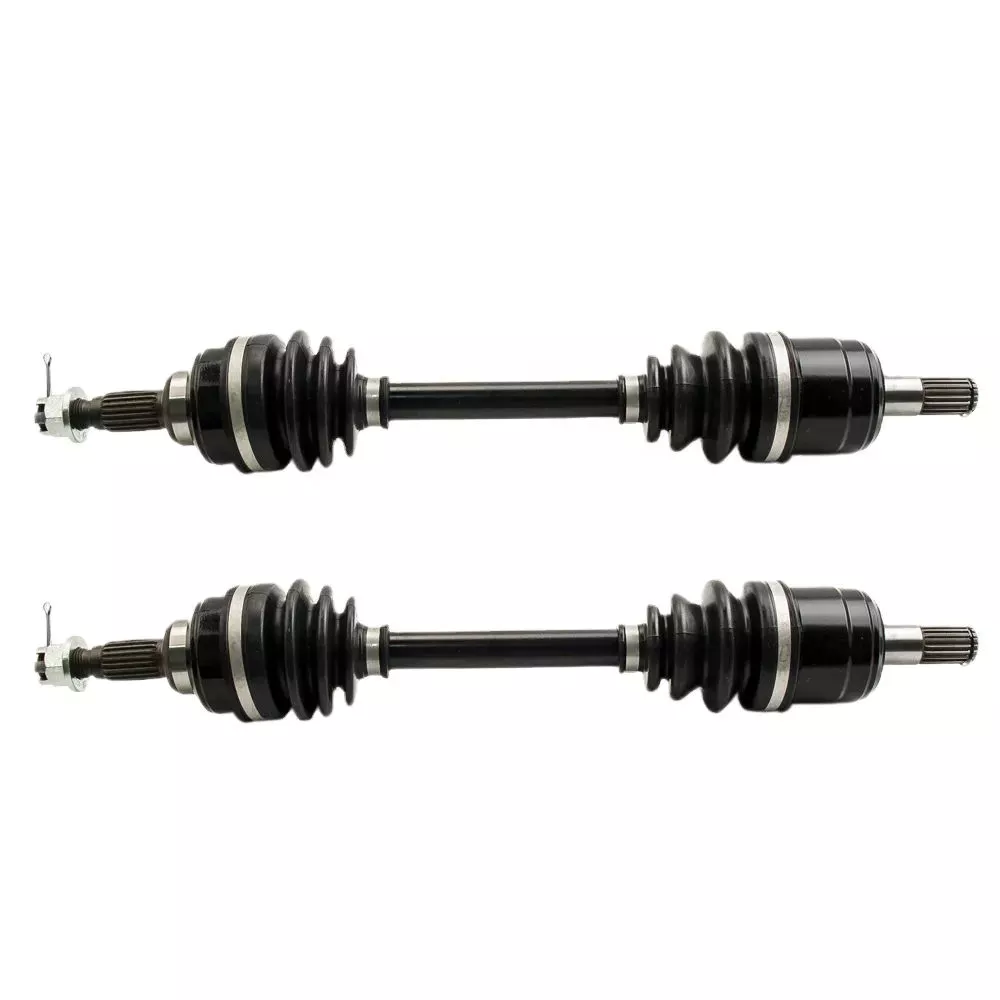
What is a driveline and how does it function in vehicles and machinery?
A driveline, also known as a drivetrain, refers to the components and systems responsible for transmitting power from the engine to the wheels or tracks in vehicles and machinery. It encompasses various elements such as the engine, transmission, drive shafts, differentials, axles, and wheels or tracks. The driveline plays a crucial role in converting the engine’s power into motion and enabling the vehicle or machinery to move. Here’s a detailed explanation of how the driveline functions in vehicles and machinery:
1. Power Generation: The driveline starts with the engine, which generates power by burning fuel or utilizing alternative energy sources. The engine produces rotational force, known as torque, which is transferred to the driveline for further transmission to the wheels or tracks.
2. Transmission: The transmission is a crucial component of the driveline that controls the distribution of power and torque from the engine to the wheels or tracks. It allows the driver or operator to select different gear ratios to optimize performance and efficiency based on the vehicle’s speed and load conditions. The transmission can be manual, automatic, or a combination of both, depending on the specific vehicle or machinery.
3. Drive Shaft: The drive shaft, also called a propeller shaft, is a rotating mechanical component that transmits torque from the transmission to the wheels or tracks. In vehicles with rear-wheel drive or four-wheel drive, the drive shaft transfers power to the rear axle or all four wheels. In machinery, the drive shaft may transfer power to the tracks or other driven components. The drive shaft is typically a tubular metal shaft with universal joints at each end to accommodate the movement and misalignment between the transmission and the wheels or tracks.
4. Differential: The differential is a device located in the driveline that enables the wheels or tracks to rotate at different speeds while still receiving power. It allows the vehicle or machinery to smoothly negotiate turns without wheel slippage or binding. The differential consists of a set of gears that distribute torque between the wheels or tracks based on their rotational requirements. In vehicles with multiple axles, there may be differentials on each axle to provide power distribution and torque balancing.
5. Axles: Axles are shafts that connect the differential to the wheels or tracks. They transmit torque from the differential to the individual wheels or tracks, allowing them to rotate and propel the vehicle or machinery. Axles are designed to withstand the loads and stresses associated with power transmission and wheel movement. They may be solid or independent, depending on the vehicle or machinery’s suspension and drivetrain configuration.
6. Wheels or Tracks: The driveline’s final components are the wheels or tracks, which directly contact the ground and provide traction and propulsion. In vehicles with wheels, the driveline transfers power from the engine to the wheels, allowing them to rotate and propel the vehicle forward or backward. In machinery with tracks, the driveline transfers power to the tracks, enabling the machinery to move over various terrains and surfaces.
7. Functioning: The driveline functions by transmitting power from the engine through the transmission, drive shaft, differential, axles, and finally to the wheels or tracks. As the engine generates torque, it is transferred through the transmission, which selects the appropriate gear ratio based on the vehicle’s speed and load. The drive shaft then transfers the torque to the differential, which distributes it between the wheels or tracks according to their rotational requirements. The axles transmit the torque from the differential to the individual wheels or tracks, allowing them to rotate and propel the vehicle or machinery.
8. Four-Wheel Drive and All-Wheel Drive: Some vehicles and machinery are equipped with four-wheel drive (4WD) or all-wheel drive (AWD) systems, which provide power to all four wheels simultaneously. In these systems, the driveline includes additional components such as transfer cases and secondary differentials to distribute power to the front and rear axles. The driveline functions similarly in 4WD and AWD systems, but with enhanced traction and off-road capabilities.
In summary, the driveline is a vital component in vehicles and machinery, responsible for transmitting power from the engine to the wheels or tracks. It involves the engine, transmission, drive shafts, differentials, axles, and wheels or tracks. By efficiently transferring torque and power, the driveline enables vehicles and machinery to move, providing traction, propulsion, and control. The specific configuration and components of the driveline may vary depending on the vehicle or machinery’s design, purpose, and drive system.


editor by CX 2023-11-17