คำอธิบายผลิตภัณฑ์
Company Profile
Established in 2009, HangZhou CZPT Trading Co., Ltd is a professional supplier for conveyor parts, located in ZHangZhoug province. We focus on supplying a variety of conveyor parts, including conveyor tubes, conveyor frames, conveyor rollers, bearing housings and so forth.
With our professional technology R&D team, and experienced quality control department, our products have been awarded the ISO9001 Quality Management System Standard and our main markets are in America, Europe, Asia and Australia.
|
Factory advantage |
Professional and experienced technology team | ||
| All products inspected before shipping with reasonable prices | |||
| Low MOQ and free sample | |||
| We are audited by SGS and passed the ISO9001:2008 certification | |||
|
Industries service |
Industrial machine | ||
| Electronic and communication | |||
| Oil, gas,mining and petroleum | |||
| Construction industry | |||
| Equipment | CNC Machining Center, CNC Lathes, CNC Milling Machines, Punching and drilling machines, Stamping machines | ||
| Precision Processing | CNC machining, CNC turning and milling, laser cutting, drilling, grinding, bending, stamping, welding | ||
Roller size
| No. | Standard Diameter | Length Range (mm) |
Bearing Type Min-Max |
Shell Thickness of Roller | |
| mm | Inch | ||||
| 1 | 63.5 | 2 1/2 | 150-3500 | 203 204 | 3.0mm-4.0mm |
| 2 | 76 | 3 | 150-3500 | 204 | 3.0mm-4.5mm |
| 3 | 89 | 3 1/3 | 150-3500 | 204 205 | 3.0mm-4.5mm |
| 4 | 102 | 4 | 150-3500 | 3.2mm-4.5mm | |
| 5 | 108 | 4 1/4 | 150-3500 | 306 | 3.5mm-4.5mm |
| 6 | 114 | 4 1/2 | 150-3500 | 306 | 3.5mm-4.5mm |
| 7 | 127 | 5 | 150-3500 | 306 | 3.5mm-5.0mm |
| 8 | 133 | 5 1/4 | 150-3500 | 305 306 | 3.5mm-5.0mm |
| 9 | 140 | 5 1/2 | 150-3500 | 306 307 | 3.5mm-5.0mm |
| 10 | 152 | 6 | 150-3500 | 4.0mm-5.0mm | |
| 11 | 159 | 6 1/4 | 150-3500 | 4.0mm-5.0mm | |
| 12 | 165 | 6 1/2 | 150-3500 | 307 308 | 4.5mm-6.0mm |
| 13 | 177.8 | 7 | 150-3500 | 309 | 4.5mm-6.0mm |
| 14 | 190.7 | 7 1/2 | 150-3500 | 309 310 | 4.5mm-7.0mm |
| 15 | 194 | 7 5/8 | 150-3500 | 309 310 | 4.5mm-8.0mm |
| 16 | 219 | 8 5/8 | 150-3500 | 4.5mm-8.0mm | |
Advantage:
1.The life time: More than 50000 hours
2. TIR (Total Indicator Runout)
0.5mm (0.0197″) for Roll Length 0-600mm
0.8mm (0.571″) for Roll Length 601-1350mm
1.0mm (0. 0571 “) for Roll Length over 1350mm
3.Shaft Float≤0.8mm
4..Samples for testing are available.
5. Lower resistance
6. Small maintain work
7. High load capability
8. Dust proof & water proof
CONVRYOR ROLLER SHAFTS
| We can produce roller shafts and We do customeized |
| Product Size:φ10mm – 70mm |
| Max Length: 3000mm |
| Surface Tolerance: g6 |
| Surface Roughness:0.8mm |
| Specification | ASTM A108 AS1443 |
| Steel Grade | Q235B,C1571,C1045(we can also do other steel grade per your requirments) |
| ขนาด | Φ18mm-φ62mm |
| ความคลาดเคลื่อนของเส้นผ่านศูนย์กลาง | ISO286-2,H7/H8 |
| ความตรง | 2000:1 |
| O.D | 63.5-219.1mm |
| W .T | 0.45-20mm |
| ความยาว | 6–12m |
| Standard | SANS 657/3,ASTM 513,AS 1163,BS6323,EN10305 |
| วัสดุ | Q235B, S355,S230,C350,E235 etc. |
| Technique | Welded,Seamless |
| Surface | oiled ,galvanized or painted with all kinds of colors according to client’s request. |
| Ends | 1.Plain ends, |
| 2.Threading at both side with plastice caps | |
| 3.Threading at both side with socket/coupling. | |
| 4.Beveled ends, and so on | |
| Packing | 1.Water-proof plastic cloth, |
| 2.Woven bags, | |
| 3.PVC package, | |
| 4.Steel strips in bundles | |
| 5.As your requirment | |
| Usage | 1.For low pressure liquid delivery such as water,gas and oil. |
| 2.For construction | |
| 3.Mechanical equipment | |
| 4.For Furniture | |
| Payment&Trade Terms | 1.Payment : T/T,L/C, D/P, Western union |
| 2.Trade Terms:FOB/CFR/CIF | |
| 3.Minimum quantity of order : 10 MT (10,000KGS) | |
| Delivery Time | 1.Usually,within10-20days after receiving your down payment. |
| 2.According to the order quantity |
Conveyor Roller Tube
|
Conveyor Roller Tube |
Specification | SANS657/3,ASTM513,AS1163,BS6323,EN10305 or equivalent international standard. |
| Steel grade | S355/S230,C350,E235,Q235B | |
| Sizes | 63.5mm-219.1mm ect | |
| Ovality tolerance of body | ≤0.4mm(60.3mm-152.4mm) | |
| ≤0.5mm(159MM-168.3mm) | ||
| ≤0.6mm(178mm-219mm) | ||
| ความตรง | 2000:1 |
if you are interesting in our products or want any further information, please feel free to contact us!
I am looking CZPT to your reply.
Best regards
Ruth
HangZhou CZPT TRADING CO., LTD
1801 CZPT Building, No.268 Xierhuan Road, HangZhou City, ZHangZhoug Province, China
| Steel Grade: | C1018 C1020 |
|---|---|
| Standard: | ASTM A108 |
| Size: | Od18mm—62mm |
| Surface Tolerance: | G6 |
| Max Length: | Max 3000mm |
| Surface Roughness: | 0.8 |
| Samples: |
US$ 0/Piece
1 Piece(Min.Order) | |
|---|
| Customization: |
Available
| Customized Request |
|---|
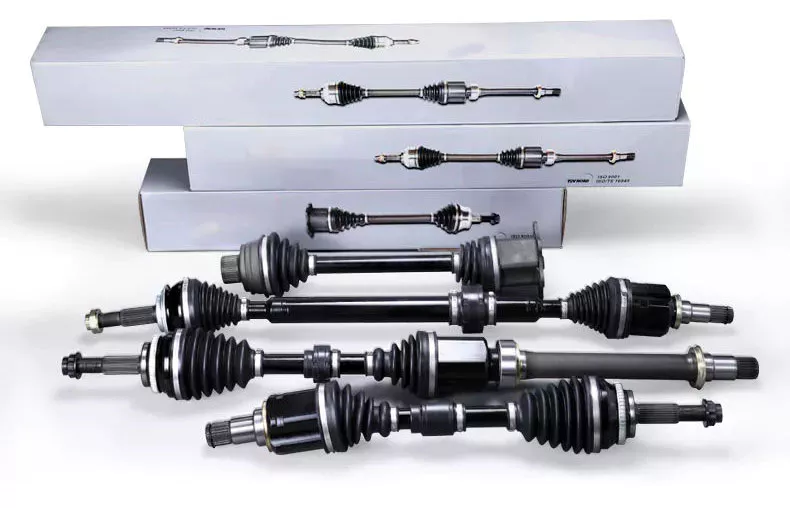
ระบบส่งกำลังช่วยให้การส่งกำลังเป็นไปอย่างเหมาะสมที่สุด ในขณะเดียวกันก็ลดการสูญเสียพลังงานให้น้อยที่สุดได้อย่างไร?
ระบบส่งกำลังมีบทบาทสำคัญในการทำให้การส่งกำลังจากเครื่องยนต์ไปยังล้อเป็นไปอย่างเหมาะสมที่สุด พร้อมทั้งลดการสูญเสียพลังงานให้น้อยที่สุด การออกแบบและส่วนประกอบของระบบส่งกำลังได้รับการออกแบบอย่างพิถีพิถันเพื่อเพิ่มประสิทธิภาพสูงสุดและลดการสูญเสียพลังงานให้น้อยที่สุด ต่อไปนี้คือปัจจัยสำคัญบางประการที่ช่วยให้การส่งกำลังเป็นไปอย่างเหมาะสมที่สุดและลดการสูญเสียพลังงานภายในระบบส่งกำลังให้น้อยที่สุด:
1. การส่งกำลังไฟฟ้าอย่างมีประสิทธิภาพ:
ระบบส่งกำลังใช้ส่วนประกอบต่างๆ เช่น เกียร์ คลัตช์ และทอร์คคอนเวอร์เตอร์ เพื่อส่งกำลังจากเครื่องยนต์ไปยังล้อ ส่วนประกอบเหล่านี้ได้รับการออกแบบมาเพื่อลดการสูญเสียพลังงานโดยการลดแรงเสียดทาน ปรับปรุงประสิทธิภาพการทำงานของเฟือง และเพิ่มประสิทธิภาพการส่งแรงบิด ตัวอย่างเช่น การใช้วัสดุที่มีแรงเสียดทานต่ำ เช่น ตลับลูกปืนแบบลูกกลิ้ง และการใช้การออกแบบเฟืองขั้นสูง เช่น เฟืองเกลียวหรือเฟืองไฮปอยด์ สามารถช่วยลดการสูญเสียพลังงานเนื่องจากแรงเสียดทานและการทำงานของเฟืองได้
2. การปรับอัตราทดเกียร์ให้เหมาะสม:
การเลือกอัตราทดเกียร์ที่เหมาะสมเป็นสิ่งสำคัญอย่างยิ่งต่อการส่งกำลังอย่างมีประสิทธิภาพสูงสุด การเลือกอัตราทดเกียร์ที่ตรงกับลักษณะกำลังของเครื่องยนต์และสภาพการขับขี่ของรถ จะช่วยให้ระบบส่งกำลังสามารถแปลงและส่งกำลังไปยังล้อได้อย่างมีประสิทธิภาพ อัตราทดเกียร์ที่เหมาะสมจะช่วยให้เครื่องยนต์ทำงานในช่วงรอบการหมุนที่เหมาะสมที่สุด ลดการสูญเสียพลังงานที่ไม่จำเป็น และเพิ่มประสิทธิภาพโดยรวม
3. เฟืองท้ายแบบจำกัดการลื่นไถล (Limited Slip Differential):
ในระบบส่งกำลังที่มีล้อขับเคลื่อนหลายล้อ (เช่น ระบบขับเคลื่อนสี่ล้อหรือระบบขับเคลื่อนล้อหน้า) มักใช้เฟืองท้ายแบบจำกัดการลื่นไถล (LSD) เพื่อกระจายกำลังระหว่างล้อต่างๆ LSD ช่วยให้การยึดเกาะถนนดีขึ้นโดยการถ่ายโอนแรงบิดไปยังล้อที่มีการยึดเกาะมากกว่าในขณะที่ลดการสูญเสียพลังงานให้น้อยที่สุด ด้วยการอนุญาตให้ความเร็วของล้อแตกต่างกันได้ในระดับหนึ่ง LSD จึงมั่นใจได้ว่ากำลังจะถูกส่งไปยังล้อที่สามารถใช้งานได้อย่างมีประสิทธิภาพที่สุด
4. ระบบขับเคลื่อนแบบไฮบริดและไฟฟ้า:
ในระบบขับเคลื่อนแบบไฮบริดและระบบไฟฟ้า ระบบส่งกำลังได้รับการออกแบบมาเพื่อเพิ่มประสิทธิภาพการส่งกำลังและลดการสูญเสียพลังงานให้น้อยที่สุด โดยคำนึงถึงลักษณะเฉพาะของมอเตอร์ไฟฟ้าและระบบจัดเก็บพลังงาน ระบบขับเคลื่อนเหล่านี้มักใช้ระบบอิเล็กทรอนิกส์กำลังที่ซับซ้อน ระบบเบรกแบบสร้างพลังงานกลับคืน และอัลกอริธึมควบคุมขั้นสูง เพื่อจัดการการไหลของกำลังและการสร้างพลังงานกลับคืนอย่างมีประสิทธิภาพ ส่งผลให้ประสิทธิภาพโดยรวมของระบบดีขึ้น
5. ข้อควรพิจารณาด้านอากาศพลศาสตร์:
ระบบส่งกำลังยังสามารถช่วยให้การส่งกำลังมีประสิทธิภาพสูงสุดได้ด้วยการพิจารณาปัจจัยทางอากาศพลศาสตร์ การลดแรงต้านอากาศผ่านการออกแบบยานยนต์ที่ลื่นไหล ระบบระบายความร้อนที่มีประสิทธิภาพ และการจัดการการไหลของอากาศใต้ท้องรถที่เหมาะสม จะช่วยลดกำลังที่จำเป็นในการเอาชนะแรงต้านอากาศ ซึ่งจะช่วยปรับปรุงประสิทธิภาพโดยรวมของระบบส่งกำลังและลดการสูญเสียพลังงาน
6. ระบบควบคุมขั้นสูง:
การผสานรวมระบบควบคุมขั้นสูงเข้ากับระบบส่งกำลังช่วยให้การส่งกำลังมีประสิทธิภาพสูงสุดและการทำงานที่ประหยัดพลังงาน หน่วยควบคุมอิเล็กทรอนิกส์ (ECU) จะตรวจสอบพารามิเตอร์ต่างๆ เช่น ตำแหน่งคันเร่ง ความเร็วรถ และสภาพการขับขี่ เพื่อปรับการกระจายกำลัง จัดการการเปลี่ยนเกียร์ และเพิ่มประสิทธิภาพการส่งแรงบิด ด้วยการปรับตัวอย่างต่อเนื่องให้เข้ากับสภาวะแบบเรียลไทม์ ระบบควบคุมเหล่านี้ช่วยเพิ่มประสิทธิภาพการส่งกำลังและลดการสูญเสียพลังงานให้เหลือน้อยที่สุด
7. การเลือกใช้วัสดุและการลดน้ำหนัก:
การเลือกใช้วัสดุและกลยุทธ์การลดน้ำหนักในชิ้นส่วนระบบส่งกำลังมีส่วนช่วยลดการสูญเสียพลังงาน วัสดุน้ำหนักเบา เช่น อะลูมิเนียมหรือวัสดุคอมโพสิต ช่วยลดน้ำหนักโดยรวมของระบบส่งกำลัง ส่งผลให้แรงเฉื่อยลดลงและต้องการกำลังน้อยลง นอกจากนี้ การลดน้ำหนักของชิ้นส่วนที่หมุนได้ เช่น เพลาขับหรือล้อช่วยแรง ช่วยเพิ่มประสิทธิภาพของระบบส่งกำลังโดยลดการสูญเสียพลังงานที่เกี่ยวข้องกับแรงเฉื่อยในการหมุน
8. การบำรุงรักษาและการหล่อลื่นอย่างสม่ำเสมอ:
การบำรุงรักษาและการหล่อลื่นชิ้นส่วนระบบส่งกำลังอย่างเหมาะสมนั้นมีความสำคัญอย่างยิ่งต่อการลดการสูญเสียพลังงาน การบำรุงรักษาอย่างสม่ำเสมอจะช่วยให้ชิ้นส่วนระบบส่งกำลัง เช่น ตลับลูกปืนและเฟือง อยู่ในสภาพที่เหมาะสมที่สุด ลดการสูญเสียจากแรงเสียดทาน นอกจากนี้ การใช้สารหล่อลื่นคุณภาพสูงและการรักษาระดับการหล่อลื่นที่เหมาะสมจะช่วยลดแรงเสียดทานและการสึกหรอ เพิ่มประสิทธิภาพของระบบส่งกำลัง
ด้วยการนำเอาข้อควรพิจารณาด้านการออกแบบและเทคนิคทางวิศวกรรมเหล่านี้มาประยุกต์ใช้ ระบบส่งกำลังจึงสามารถถ่ายทอดกำลังได้อย่างเหมาะสมที่สุด พร้อมทั้งลดการสูญเสียพลังงานให้น้อยที่สุด ส่งผลให้ประสิทธิภาพโดยรวมดีขึ้น ประหยัดเชื้อเพลิงมากขึ้น และลดผลกระทบต่อสิ่งแวดล้อม

ควรปฏิบัติตามข้อควรระวังด้านความปลอดภัยอะไรบ้างเมื่อทำงานกับชิ้นส่วนระบบส่งกำลัง?
การทำงานกับชิ้นส่วนระบบส่งกำลังจำเป็นต้องให้ความสำคัญกับความปลอดภัยเป็นอย่างยิ่ง เพื่อป้องกันอุบัติเหตุ การบาดเจ็บ และความเสียหายต่ออุปกรณ์ ชิ้นส่วนระบบส่งกำลัง เช่น เกียร์ เพลาขับ และเฟืองท้าย อาจมีชิ้นส่วนหมุน แรงบิดสูง และเครื่องจักรขนาดใหญ่ ทำให้จำเป็นต้องปฏิบัติตามข้อควรระวังด้านความปลอดภัยอย่างถูกต้อง ต่อไปนี้เป็นมาตรการความปลอดภัยที่สำคัญบางประการที่ควรพิจารณาเมื่อทำงานกับชิ้นส่วนระบบส่งกำลัง:
1. อุปกรณ์ป้องกันส่วนบุคคล (PPE):
ควรสวมใส่อุปกรณ์ป้องกันส่วนบุคคลที่เหมาะสมเสมอ รวมถึงแว่นตานิรภัย ถุงมือ และชุดป้องกัน อุปกรณ์ป้องกันส่วนบุคคลช่วยป้องกันอันตรายที่อาจเกิดขึ้น เช่น เศษวัสดุที่กระเด็นออกมา ขอบคม และการสัมผัสกับชิ้นส่วนที่ร้อนหรือเคลื่อนไหว ควรใช้รองเท้าบู๊ตหัวเหล็กเพื่อป้องกันเท้าจากวัตถุหนักหรือการกระแทกโดยไม่ตั้งใจ
2. ระบบล็อกเอาต์/แท็กเอาต์:
ก่อนทำการซ่อมแซมหรือดัดแปลงชิ้นส่วนระบบส่งกำลัง ให้ปฏิบัติตามขั้นตอนการล็อกเอาต์/แท็กเอาต์ เพื่อให้แน่ใจว่าอุปกรณ์ปิดการทำงานอย่างถูกต้องและแยกออกจากแหล่งจ่ายไฟแล้ว การล็อกเอาต์/แท็กเอาต์เกี่ยวข้องกับการตัดกระแสไฟ การล็อกหรือติดป้ายกำกับที่สวิตช์ควบคุม และการตรวจสอบว่าอุปกรณ์ไม่มีกระแสไฟฟ้าไหลผ่านแล้ว ซึ่งจะป้องกันการสตาร์ทเครื่องโดยไม่ตั้งใจหรือการปลดปล่อยพลังงานที่สะสมไว้ ซึ่งอาจก่อให้เกิดการบาดเจ็บร้ายแรงได้
3. ความเสถียรของยานพาหนะ/อุปกรณ์:
ตรวจสอบให้แน่ใจว่ารถหรืออุปกรณ์มีความมั่นคงและได้รับการรองรับอย่างแน่นหนา ก่อนที่จะทำการซ่อมแซมชิ้นส่วนระบบส่งกำลัง ใช้ขาตั้งยกรถหรือรอกที่เหมาะสมเพื่อให้โครงสร้างรองรับที่มั่นคงและเชื่อถือได้ อย่าพึ่งพาแต่แม่แรงไฮดรอลิกหรือฐานรองรับที่ไม่มั่นคงเพียงอย่างเดียว เพราะอาจนำไปสู่อุบัติเหตุหรือความเสียหายต่ออุปกรณ์ได้
4. เทคนิคการยกของที่ถูกต้อง:
เมื่อต้องยกชิ้นส่วนระบบส่งกำลังที่มีน้ำหนักมาก ให้ใช้เทคนิคการยกที่ถูกต้องเพื่อป้องกันอาการปวดเมื่อยหรือบาดเจ็บ ยกด้วยขา ไม่ใช่หลัง และขอความช่วยเหลือเมื่อต้องยกชิ้นส่วนที่มีน้ำหนักมากหรือขนาดใหญ่ ใช้เครื่องมือช่วยยก เช่น รอกหรือเครน เมื่อจำเป็น เพื่อหลีกเลี่ยงการออกแรงมากเกินไปหรือการทำชิ้นส่วนตกหล่น
5. การตรวจสอบชิ้นส่วน:
ก่อนการติดตั้งหรือการบำรุงรักษา ให้ตรวจสอบชิ้นส่วนระบบส่งกำลังอย่างละเอียดเพื่อหาสัญญาณความเสียหาย การสึกหรอ หรือการกัดกร่อน เปลี่ยนชิ้นส่วนที่สึกหรอหรือเสียหายเพื่อให้มั่นใจถึงการทำงานที่ปลอดภัยและเชื่อถือได้ ปฏิบัติตามคำแนะนำและข้อกำหนดของผู้ผลิตเกี่ยวกับการตรวจสอบ การบำรุงรักษา และช่วงเวลาการเปลี่ยนชิ้นส่วน
6. เครื่องมือและอุปกรณ์ที่เหมาะสม:
ใช้เครื่องมือและอุปกรณ์ที่ถูกต้องเหมาะสมกับงาน การใช้เครื่องมือที่ไม่เหมาะสมหรือวิธีแก้ปัญหาแบบชั่วคราวอาจนำไปสู่อุบัติเหตุ ชิ้นส่วนเสียหาย หรือน็อตหลวมได้ ปฏิบัติตามคำแนะนำของผู้ผลิตสำหรับเครื่องมือหรืออุปกรณ์เฉพาะที่จำเป็นสำหรับชิ้นส่วนระบบส่งกำลังแต่ละประเภท
7. ปฏิบัติตามคู่มือและขั้นตอนการซ่อมบำรุง:
โปรดอ้างอิงคู่มือการซ่อมบำรุงที่เกี่ยวข้องและปฏิบัติตามขั้นตอนที่ถูกต้องเมื่อทำงานกับชิ้นส่วนระบบส่งกำลัง คู่มือการซ่อมบำรุงจะให้คำแนะนำทีละขั้นตอน ข้อมูลจำเพาะของแรงบิด และข้อควรระวังด้านความปลอดภัยเฉพาะสำหรับยานพาหนะหรืออุปกรณ์ที่คุณกำลังทำงานด้วย การปฏิบัติตามคำแนะนำเหล่านี้จะช่วยให้มั่นใจได้ว่าการถอดประกอบ การติดตั้ง และการปรับแต่งชิ้นส่วนระบบส่งกำลังเป็นไปอย่างถูกต้อง
8. การกำจัดของเหลวและของเสียอย่างถูกวิธี:
กำจัดของเหลว เช่น น้ำมันหรือน้ำยาหล่อเย็น และวัสดุเหลือใช้ตามระเบียบข้อบังคับท้องถิ่น ของเหลวที่หกอาจก่อให้เกิดอันตรายจากการลื่นล้ม และการกำจัดที่ไม่เหมาะสมอาจเป็นอันตรายต่อสิ่งแวดล้อม ใช้ภาชนะและวิธีการกำจัดที่เหมาะสมตามที่กฎหมายและข้อบังคับท้องถิ่นกำหนด
9. การฝึกอบรมและความรู้:
ตรวจสอบให้แน่ใจว่าบุคลากรที่ทำงานเกี่ยวกับชิ้นส่วนระบบส่งกำลังได้รับการฝึกอบรมอย่างเหมาะสมและมีความรู้และทักษะที่จำเป็น การฝึกอบรมที่ไม่เพียงพอหรือการขาดความรู้สามารถนำไปสู่ข้อผิดพลาด อุบัติเหตุ หรือการติดตั้งที่ไม่ถูกต้อง ซึ่งส่งผลกระทบต่อความปลอดภัยและประสิทธิภาพการทำงาน
10. ปฏิบัติตามกฎระเบียบด้านความปลอดภัยในสถานที่ทำงาน:
ปฏิบัติตามกฎระเบียบและแนวทางด้านความปลอดภัยในสถานที่ทำงานที่กำหนดโดยหน่วยงานที่เกี่ยวข้อง กฎระเบียบเหล่านี้อาจรวมถึงข้อกำหนดเฉพาะสำหรับการทำงานกับชิ้นส่วนระบบส่งกำลัง เช่น มาตรฐานความปลอดภัย ข้อกำหนดด้านการฝึกอบรม และการรับรองอุปกรณ์ ติดตามข่าวสารเกี่ยวกับกฎระเบียบด้านความปลอดภัยอย่างสม่ำเสมอและตรวจสอบให้แน่ใจว่าได้ปฏิบัติตามเพื่อรักษาสภาพแวดล้อมการทำงานที่ปลอดภัย
การปฏิบัติตามข้อควรระวังด้านความปลอดภัยเหล่านี้ จะช่วยลดความเสี่ยงต่ออุบัติเหตุ การบาดเจ็บ และความเสียหายของอุปกรณ์เมื่อทำงานกับชิ้นส่วนระบบส่งกำลัง ความปลอดภัยควรเป็นสิ่งสำคัญสูงสุดเสมอ เพื่อส่งเสริมสภาพแวดล้อมการทำงานที่ปลอดภัยและมีประสิทธิภาพ

What is a driveline and how does it function in vehicles and machinery?
A driveline, also known as a drivetrain, refers to the components and systems responsible for transmitting power from the engine to the wheels or tracks in vehicles and machinery. It encompasses various elements such as the engine, transmission, drive shafts, differentials, axles, and wheels or tracks. The driveline plays a crucial role in converting the engine’s power into motion and enabling the vehicle or machinery to move. Here’s a detailed explanation of how the driveline functions in vehicles and machinery:
1. Power Generation: The driveline starts with the engine, which generates power by burning fuel or utilizing alternative energy sources. The engine produces rotational force, known as torque, which is transferred to the driveline for further transmission to the wheels or tracks.
2. Transmission: The transmission is a crucial component of the driveline that controls the distribution of power and torque from the engine to the wheels or tracks. It allows the driver or operator to select different gear ratios to optimize performance and efficiency based on the vehicle’s speed and load conditions. The transmission can be manual, automatic, or a combination of both, depending on the specific vehicle or machinery.
3. Drive Shaft: The drive shaft, also called a propeller shaft, is a rotating mechanical component that transmits torque from the transmission to the wheels or tracks. In vehicles with rear-wheel drive or four-wheel drive, the drive shaft transfers power to the rear axle or all four wheels. In machinery, the drive shaft may transfer power to the tracks or other driven components. The drive shaft is typically a tubular metal shaft with universal joints at each end to accommodate the movement and misalignment between the transmission and the wheels or tracks.
4. Differential: The differential is a device located in the driveline that enables the wheels or tracks to rotate at different speeds while still receiving power. It allows the vehicle or machinery to smoothly negotiate turns without wheel slippage or binding. The differential consists of a set of gears that distribute torque between the wheels or tracks based on their rotational requirements. In vehicles with multiple axles, there may be differentials on each axle to provide power distribution and torque balancing.
5. Axles: Axles are shafts that connect the differential to the wheels or tracks. They transmit torque from the differential to the individual wheels or tracks, allowing them to rotate and propel the vehicle or machinery. Axles are designed to withstand the loads and stresses associated with power transmission and wheel movement. They may be solid or independent, depending on the vehicle or machinery’s suspension and drivetrain configuration.
6. Wheels or Tracks: The driveline’s final components are the wheels or tracks, which directly contact the ground and provide traction and propulsion. In vehicles with wheels, the driveline transfers power from the engine to the wheels, allowing them to rotate and propel the vehicle forward or backward. In machinery with tracks, the driveline transfers power to the tracks, enabling the machinery to move over various terrains and surfaces.
7. Functioning: The driveline functions by transmitting power from the engine through the transmission, drive shaft, differential, axles, and finally to the wheels or tracks. As the engine generates torque, it is transferred through the transmission, which selects the appropriate gear ratio based on the vehicle’s speed and load. The drive shaft then transfers the torque to the differential, which distributes it between the wheels or tracks according to their rotational requirements. The axles transmit the torque from the differential to the individual wheels or tracks, allowing them to rotate and propel the vehicle or machinery.
8. Four-Wheel Drive and All-Wheel Drive: Some vehicles and machinery are equipped with four-wheel drive (4WD) or all-wheel drive (AWD) systems, which provide power to all four wheels simultaneously. In these systems, the driveline includes additional components such as transfer cases and secondary differentials to distribute power to the front and rear axles. The driveline functions similarly in 4WD and AWD systems, but with enhanced traction and off-road capabilities.
In summary, the driveline is a vital component in vehicles and machinery, responsible for transmitting power from the engine to the wheels or tracks. It involves the engine, transmission, drive shafts, differentials, axles, and wheels or tracks. By efficiently transferring torque and power, the driveline enables vehicles and machinery to move, providing traction, propulsion, and control. The specific configuration and components of the driveline may vary depending on the vehicle or machinery’s design, purpose, and drive system.


editor by CX 2023-10-31