คำอธิบายผลิตภัณฑ์
คำอธิบายผลิตภัณฑ์
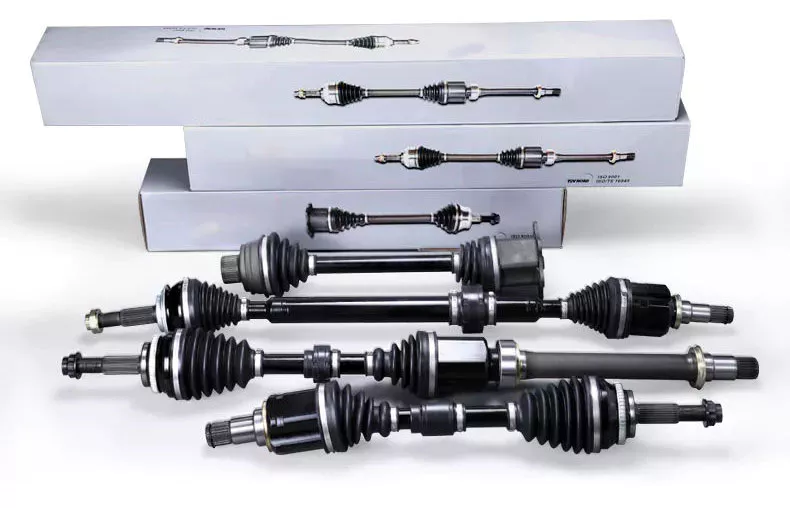
1.We are manufacturer of cv drive shaft,cv axle, cv joint and cv boot, we have more than 20-years experience in producing and selling auto parts.
2.We have strict quality control, the quality of our products is very good.
3.We are professional in different market around the world.
4.The reviews our customers given us are very positive, we have confidence in our products.
5.OEM/ODM is available, meet your requirements well.
6.Large warehouse, huge stocks!!! friendly for those customers who want some quantity.
7.Ship products out very fastly, we have stock.
| Product Name | Drive shaft | วัสดุ | 42CrMo alloy steel |
| Car fitment | Toyota | Warranty | 12 months |
| Model | for CZPT CZPT Honda CZPT CZPT CZPT VW Mazda BMW | Place of origin | ZHangZhoug, China |
| Productive year | pls contact us for more details | MOQ | 4 PCS |
| OE number | factory standard | Delivery time | 1-7 days |
| OEM/ODM | Yes | Brand | GJF |
| Packing size | according to each model | Payment | L/C,T/T,western Union,Cash,PayPal |
| Sample service | Depends on the situation of stock | Weight | 7.9KG |
Detailed Photos
Customer Review
Packaging & Shipping
FAQ
/* January 22, 2571 19:08:37 */!function(){function s(e,r){var a,o={};try{e&&e.split(“,”).forEach(function(e,t){e&&(a=e.match(/(.*?):(.*)$/))&&1
| After-sales Service: | 12 Months |
|---|---|
| Condition: | New |
| Axle Number: | 1 |
| Samples: |
US$ 42.8/Piece
1 Piece(Min.Order) | Order Sample |
|---|
| Customization: |
Available
| Customized Request |
|---|
.shipping-cost-tm .tm-status-off{background: none;padding:0;color: #1470cc}
| Shipping Cost:
Estimated freight per unit. |
about shipping cost and estimated delivery time. |
|---|
| Payment Method: |
|
|---|---|
|
Initial Payment Full Payment |
| Currency: | US$ |
|---|
| Return&refunds: | You can apply for a refund up to 30 days after receipt of the products. |
|---|
ระบบส่งกำลังช่วยให้การส่งกำลังเป็นไปอย่างเหมาะสมที่สุด ในขณะเดียวกันก็ลดการสูญเสียพลังงานให้น้อยที่สุดได้อย่างไร?
ระบบส่งกำลังมีบทบาทสำคัญในการทำให้การส่งกำลังจากเครื่องยนต์ไปยังล้อเป็นไปอย่างเหมาะสมที่สุด พร้อมทั้งลดการสูญเสียพลังงานให้น้อยที่สุด การออกแบบและส่วนประกอบของระบบส่งกำลังได้รับการออกแบบอย่างพิถีพิถันเพื่อเพิ่มประสิทธิภาพสูงสุดและลดการสูญเสียพลังงานให้น้อยที่สุด ต่อไปนี้คือปัจจัยสำคัญบางประการที่ช่วยให้การส่งกำลังเป็นไปอย่างเหมาะสมที่สุดและลดการสูญเสียพลังงานภายในระบบส่งกำลังให้น้อยที่สุด:
1. การส่งกำลังไฟฟ้าอย่างมีประสิทธิภาพ:
ระบบส่งกำลังใช้ส่วนประกอบต่างๆ เช่น เกียร์ คลัตช์ และทอร์คคอนเวอร์เตอร์ เพื่อส่งกำลังจากเครื่องยนต์ไปยังล้อ ส่วนประกอบเหล่านี้ได้รับการออกแบบมาเพื่อลดการสูญเสียพลังงานโดยการลดแรงเสียดทาน ปรับปรุงประสิทธิภาพการทำงานของเฟือง และเพิ่มประสิทธิภาพการส่งแรงบิด ตัวอย่างเช่น การใช้วัสดุที่มีแรงเสียดทานต่ำ เช่น ตลับลูกปืนแบบลูกกลิ้ง และการใช้การออกแบบเฟืองขั้นสูง เช่น เฟืองเกลียวหรือเฟืองไฮปอยด์ สามารถช่วยลดการสูญเสียพลังงานเนื่องจากแรงเสียดทานและการทำงานของเฟืองได้
2. การปรับอัตราทดเกียร์ให้เหมาะสม:
การเลือกอัตราทดเกียร์ที่เหมาะสมเป็นสิ่งสำคัญอย่างยิ่งต่อการส่งกำลังอย่างมีประสิทธิภาพสูงสุด การเลือกอัตราทดเกียร์ที่ตรงกับลักษณะกำลังของเครื่องยนต์และสภาพการขับขี่ของรถ จะช่วยให้ระบบส่งกำลังสามารถแปลงและส่งกำลังไปยังล้อได้อย่างมีประสิทธิภาพ อัตราทดเกียร์ที่เหมาะสมจะช่วยให้เครื่องยนต์ทำงานในช่วงรอบการหมุนที่เหมาะสมที่สุด ลดการสูญเสียพลังงานที่ไม่จำเป็น และเพิ่มประสิทธิภาพโดยรวม
3. เฟืองท้ายแบบจำกัดการลื่นไถล (Limited Slip Differential):
ในระบบส่งกำลังที่มีล้อขับเคลื่อนหลายล้อ (เช่น ระบบขับเคลื่อนสี่ล้อหรือระบบขับเคลื่อนล้อหน้า) มักใช้เฟืองท้ายแบบจำกัดการลื่นไถล (LSD) เพื่อกระจายกำลังระหว่างล้อต่างๆ LSD ช่วยให้การยึดเกาะถนนดีขึ้นโดยการถ่ายโอนแรงบิดไปยังล้อที่มีการยึดเกาะมากกว่าในขณะที่ลดการสูญเสียพลังงานให้น้อยที่สุด ด้วยการอนุญาตให้ความเร็วของล้อแตกต่างกันได้ในระดับหนึ่ง LSD จึงมั่นใจได้ว่ากำลังจะถูกส่งไปยังล้อที่สามารถใช้งานได้อย่างมีประสิทธิภาพที่สุด
4. ระบบขับเคลื่อนแบบไฮบริดและไฟฟ้า:
ในระบบขับเคลื่อนแบบไฮบริดและระบบไฟฟ้า ระบบส่งกำลังได้รับการออกแบบมาเพื่อเพิ่มประสิทธิภาพการส่งกำลังและลดการสูญเสียพลังงานให้น้อยที่สุด โดยคำนึงถึงลักษณะเฉพาะของมอเตอร์ไฟฟ้าและระบบจัดเก็บพลังงาน ระบบขับเคลื่อนเหล่านี้มักใช้ระบบอิเล็กทรอนิกส์กำลังที่ซับซ้อน ระบบเบรกแบบสร้างพลังงานกลับคืน และอัลกอริธึมควบคุมขั้นสูง เพื่อจัดการการไหลของกำลังและการสร้างพลังงานกลับคืนอย่างมีประสิทธิภาพ ส่งผลให้ประสิทธิภาพโดยรวมของระบบดีขึ้น
5. ข้อควรพิจารณาด้านอากาศพลศาสตร์:
ระบบส่งกำลังยังสามารถช่วยให้การส่งกำลังมีประสิทธิภาพสูงสุดได้ด้วยการพิจารณาปัจจัยทางอากาศพลศาสตร์ การลดแรงต้านอากาศผ่านการออกแบบยานยนต์ที่ลื่นไหล ระบบระบายความร้อนที่มีประสิทธิภาพ และการจัดการการไหลของอากาศใต้ท้องรถที่เหมาะสม จะช่วยลดกำลังที่จำเป็นในการเอาชนะแรงต้านอากาศ ซึ่งจะช่วยปรับปรุงประสิทธิภาพโดยรวมของระบบส่งกำลังและลดการสูญเสียพลังงาน
6. ระบบควบคุมขั้นสูง:
การผสานรวมระบบควบคุมขั้นสูงเข้ากับระบบส่งกำลังช่วยให้การส่งกำลังมีประสิทธิภาพสูงสุดและการทำงานที่ประหยัดพลังงาน หน่วยควบคุมอิเล็กทรอนิกส์ (ECU) จะตรวจสอบพารามิเตอร์ต่างๆ เช่น ตำแหน่งคันเร่ง ความเร็วรถ และสภาพการขับขี่ เพื่อปรับการกระจายกำลัง จัดการการเปลี่ยนเกียร์ และเพิ่มประสิทธิภาพการส่งแรงบิด ด้วยการปรับตัวอย่างต่อเนื่องให้เข้ากับสภาวะแบบเรียลไทม์ ระบบควบคุมเหล่านี้ช่วยเพิ่มประสิทธิภาพการส่งกำลังและลดการสูญเสียพลังงานให้เหลือน้อยที่สุด
7. การเลือกใช้วัสดุและการลดน้ำหนัก:
การเลือกใช้วัสดุและกลยุทธ์การลดน้ำหนักในชิ้นส่วนระบบส่งกำลังมีส่วนช่วยลดการสูญเสียพลังงาน วัสดุน้ำหนักเบา เช่น อะลูมิเนียมหรือวัสดุคอมโพสิต ช่วยลดน้ำหนักโดยรวมของระบบส่งกำลัง ส่งผลให้แรงเฉื่อยลดลงและต้องการกำลังน้อยลง นอกจากนี้ การลดน้ำหนักของชิ้นส่วนที่หมุนได้ เช่น เพลาขับหรือล้อช่วยแรง ช่วยเพิ่มประสิทธิภาพของระบบส่งกำลังโดยลดการสูญเสียพลังงานที่เกี่ยวข้องกับแรงเฉื่อยในการหมุน
8. การบำรุงรักษาและการหล่อลื่นอย่างสม่ำเสมอ:
การบำรุงรักษาและการหล่อลื่นชิ้นส่วนระบบส่งกำลังอย่างเหมาะสมนั้นมีความสำคัญอย่างยิ่งต่อการลดการสูญเสียพลังงาน การบำรุงรักษาอย่างสม่ำเสมอจะช่วยให้ชิ้นส่วนระบบส่งกำลัง เช่น ตลับลูกปืนและเฟือง อยู่ในสภาพที่เหมาะสมที่สุด ลดการสูญเสียจากแรงเสียดทาน นอกจากนี้ การใช้สารหล่อลื่นคุณภาพสูงและการรักษาระดับการหล่อลื่นที่เหมาะสมจะช่วยลดแรงเสียดทานและการสึกหรอ เพิ่มประสิทธิภาพของระบบส่งกำลัง
ด้วยการนำเอาข้อควรพิจารณาด้านการออกแบบและเทคนิคทางวิศวกรรมเหล่านี้มาประยุกต์ใช้ ระบบส่งกำลังจึงสามารถถ่ายทอดกำลังได้อย่างเหมาะสมที่สุด พร้อมทั้งลดการสูญเสียพลังงานให้น้อยที่สุด ส่งผลให้ประสิทธิภาพโดยรวมดีขึ้น ประหยัดเชื้อเพลิงมากขึ้น และลดผลกระทบต่อสิ่งแวดล้อม

How do drivelines contribute to the efficiency and performance of vehicle propulsion?
Drivelines play a crucial role in the efficiency and performance of vehicle propulsion systems. They are responsible for transmitting power from the engine to the wheels, converting rotational energy into forward motion. Drivelines contribute to efficiency and performance in several ways:
1. Power Transmission:
Drivelines efficiently transfer power from the engine to the wheels, ensuring that a significant portion of the engine’s output is converted into useful work. By minimizing power losses, drivelines maximize the efficiency of the propulsion system. High-quality driveline components, such as efficient transmissions and low-friction bearings, help optimize power transmission and reduce energy waste.
2. Gear Ratios:
Drivelines incorporate transmissions that allow for the selection of different gear ratios. Gear ratios match the engine’s torque and speed with the desired vehicle speed, enabling the engine to operate in its most efficient range. By optimizing the gear ratio based on the driving conditions, drivelines improve fuel efficiency and overall performance.
3. Torque Multiplication:
Drivelines can provide torque multiplication to enhance the vehicle’s performance during acceleration or when climbing steep gradients. Through the use of torque converters or dual-clutch systems, drivelines can increase the torque delivered to the wheels, allowing for quicker acceleration without requiring excessive engine power. Torque multiplication improves the vehicle’s responsiveness and enhances overall performance.
4. Traction and Control:
Drivelines contribute to vehicle performance by providing traction and control. Driveline components, such as differentials and limited-slip differentials, distribute torque between the wheels, improving traction and stability. This is particularly important in challenging driving conditions, such as slippery surfaces or off-road environments. By optimizing power delivery to the wheels, drivelines enhance vehicle control and maneuverability.
5. Handling and Stability:
Driveline configurations, such as front-wheel drive, rear-wheel drive, and all-wheel drive, influence the vehicle’s handling and stability. Drivelines distribute the weight of the vehicle and determine which wheels are driven. Different driveline setups offer distinct handling characteristics, such as improved front-end grip in front-wheel drive vehicles or enhanced cornering stability in rear-wheel drive vehicles. By optimizing the driveline configuration for the vehicle’s intended purpose, manufacturers can enhance handling and stability.
6. Hybrid and Electric Propulsion:
Drivelines are integral to hybrid and electric vehicle propulsion systems. In hybrid vehicles, drivelines facilitate the seamless transition between the engine and electric motor power sources, optimizing fuel efficiency and performance. In electric vehicles, drivelines transmit power from the electric motor(s) to the wheels, ensuring efficient and smooth acceleration. By incorporating drivelines specifically designed for hybrid and electric vehicles, manufacturers can maximize the efficiency and performance of these propulsion systems.
7. Weight Optimization:
Drivelines contribute to overall vehicle weight optimization. By using lightweight materials, such as aluminum or carbon fiber, in driveline components, manufacturers can reduce the overall weight of the propulsion system. Lighter drivelines help improve fuel efficiency, handling, and vehicle performance by reducing the vehicle’s mass and inertia.
8. Advanced Control Systems:
Modern drivelines often incorporate advanced control systems that enhance efficiency and performance. Electronic control units (ECUs) monitor various parameters, such as engine speed, vehicle speed, and driver inputs, to optimize power delivery and adjust driveline components accordingly. These control systems improve fuel efficiency, reduce emissions, and enhance overall drivability.
By optimizing power transmission, utilizing appropriate gear ratios, providing torque multiplication, enhancing traction and control, improving handling and stability, supporting hybrid and electric propulsion, optimizing weight, and incorporating advanced control systems, drivelines significantly contribute to the efficiency and performance of vehicle propulsion systems. Manufacturers continually strive to develop driveline technologies that further enhance these aspects, leading to more efficient and high-performing vehicles.

Can you explain the components of a typical driveline and their specific roles?
A typical driveline consists of several components that work together to transmit power from the engine or power source to the driven components, enabling motion and providing torque. Each component plays a specific role in the driveline system. Here’s an explanation of the key components of a typical driveline and their specific roles:
1. Engine: The engine is the power source of the driveline system. It converts fuel energy (such as gasoline or diesel) into mechanical power by the process of combustion. The engine generates rotational power, which is transferred to the driveline to initiate power transmission.
2. Transmission: The transmission is responsible for selecting the appropriate gear ratio and transmitting power from the engine to the driven components. It allows the driver or operator to control the speed and torque output of the driveline. In manual transmissions, the driver manually selects the gears, while in automatic transmissions, the gear shifts are controlled by the vehicle’s computer system.
3. Drive Shaft: The drive shaft, also known as a propeller shaft or prop shaft, is a tubular component that transmits rotational power from the transmission to the differential or the driven components. It typically consists of a hollow metal tube with universal joints at both ends to accommodate variations in driveline angles and allow for smooth power transfer.
4. Differential: The differential is a gearbox-like component that distributes power from the drive shaft to the wheels or driven axles while allowing them to rotate at different speeds, particularly during turns. It compensates for the difference in rotational speed between the inner and outer wheels in a turn, ensuring smooth and controlled operation of the driveline system.
5. Axles: Axles are shafts that connect the differential to the wheels. They transmit power from the differential to the wheels, allowing them to rotate and generate motion. In vehicles with independent suspension, each wheel typically has its own axle, while in solid axle configurations, a single axle connects both wheels on an axle assembly.
6. Clutch: In manual transmission systems, a clutch is employed to engage or disengage the engine’s power from the driveline. It allows the driver to smoothly engage the engine’s power to the transmission when shifting gears or coming to a stop. By disengaging the clutch, power transmission to the driveline is temporarily interrupted, enabling gear changes or vehicle stationary positions.
7. Torque Converter: Torque converters are used in automatic transmissions to transfer power from the engine to the transmission. They provide a fluid coupling between the engine and transmission, allowing for smooth power transmission and torque multiplication. The torque converter also provides a torque amplification effect, which helps in vehicle acceleration.
8. Universal Joints: Universal joints, also known as U-joints, are flexible couplings used in the driveline to accommodate variations in angles and misalignments between the components. They allow for the smooth transmission of power between the drive shaft and other components, compensating for changes in driveline angles during vehicle operation or suspension movement.
9. Constant Velocity Joints (CV Joints): CV joints are specialized joints used in some drivelines, particularly in front-wheel-drive and all-wheel-drive vehicles. They enable smooth power transmission while accommodating variations in angles and allowing the wheels to turn at different speeds. CV joints maintain a constant velocity during rotation, minimizing vibrations and power losses.
10. Transfer Case: A transfer case is a component found in four-wheel-drive and all-wheel-drive systems. It transfers power from the transmission to both the front and rear axles, allowing all wheels to receive power. The transfer case usually includes additional components such as a multi-speed gearbox and differential mechanisms to distribute power effectively to the axles.
These are the key components of a typical driveline and their specific roles. Each component is crucial in transferring power, enabling motion, and ensuring the smooth and efficient operation of vehicles and equipment.


editor by CX 2024-04-12