Product Description
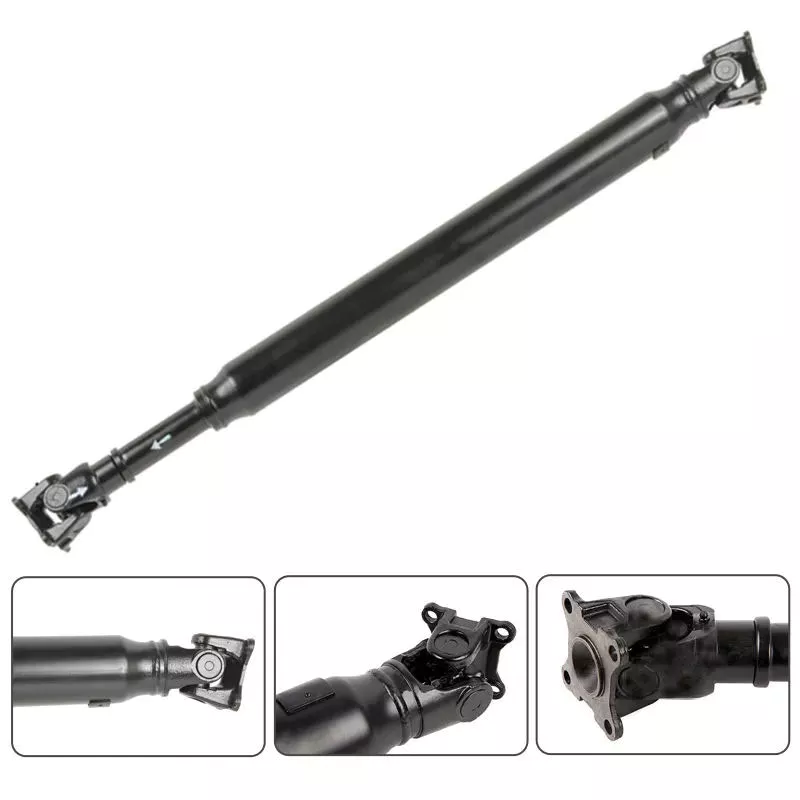
Shacman Delong Axle Cross Joint Pto Drive Shaft for Power Transmission DZ9114315147
| DZ9114315147 | L=1470MM |
| DZ9114315126 | L=1260MM |
| DZ9114315128 | L=1280MM |
| DZ9114315156 | L=1560MM |
| DZ9114315160 | L=1600MM |
| DZ9114315164 | L=1640MM |
Product advantages & features
(1) Thickened shaft tube, thickened universal joint, impact toughness and fatigue resistance.
(2) Machining by machining center, standard size and stable quality.
(3) Single inspection out of the warehouse to ensure 100% qualified products out of the warehouse.
(4) Adjust the dynamic balance test when leaving the warehouse to ensure its loading stability.
Our inventory
More Products
| Truck Model | Sinotruk, Shacman, CHINAMFG Auman, CHINAMFG Xihu (West Lake) Dis., Xihu (West Lake) Dis.feng, Xihu (West Lake) Dis.feng Liuqi Balong, North BENZ( BEIBEN), C&C, JAC, etc. | |
| Product catalogue | Axle | Wheel Assembly |
| Differential Assembly | ||
| Main Reducer Assembly | ||
| Inner Ring Gear& Bracket | ||
| Basin Angle Gear/ Bevel Gear | ||
| Axle Shaft/ Half Shaft & Through Shaft | ||
| Axle Housing& Axle Assembly | ||
| Steering knuckle & Front Axle | ||
| Gear | ||
| Brake Drum& Wheel Hub | ||
| Flange | ||
| Bearing | ||
| Main Reducer Housing | ||
| Oil Seal Seat | ||
| Nut& Shim Series | ||
| Brake Backing Plate | ||
| Chassis Support Products | Leaf Spring Bracket | |
| Drop Arm Series | ||
| Bracket Series | ||
| Leaf Spring Shackle Series | ||
| Balanced Suspension Series | Balance Shaft Assembly | |
| Balance Shaft Housing | ||
| Axle Spring Seat | ||
| Thrust Rod | ||
| Balance Shaft Parts | ||
| Shock Absorber Series | Shock Absorber | |
| Shock Absorbing Airbag | ||
| Steering System | Power Steering Pump | |
| Power Steering Gear | ||
| Rubber Products | Oil Seal | |
| Rubber Support | ||
| Thrust Rod Rubber Core | ||
| Truck Belt | ||
| Engine support | ||
| Other | ||
| Clutch Series | Clutch Pressure Plate | |
| Clutch Disc | ||
| Flywheel Assembly | ||
| Flywheel Ring Gear | ||
| Adjusting Arm Series | ||
Packaging & Shipping
FAQ
Q1. How about price of products?
The price is negotiable.It can be changed according to your quantity or package. When you are making an inquiry, please let us know the quantity you want.
Please provide the exact or approximate quantity, packing details, destination port or special requirements, so we could give you the price accordingly.
Q2. What is the products delivery time?
Generally, it will take 3 to 10 days after receiving your advance payment. The specific delivery time depends on the items and the quantity of your order.
Q3.Do you test all your goods before delivery?
Yes,we have 100% test before delivery.
Q4.What is your terms of payment?
By TT or We’ll show you the photos of the products and packages before you pay the balance.
Q5. Do you accept third party inspection?
Yes,we do.
Q6. Are you a factory or trading company?
We are a factory integrating research, development, production and sales.
Certifications
/* March 10, 2571 17:59:20 */!function(){function s(e,r){var a,o={};try{e&&e.split(“,”).forEach(function(e,t){e&&(a=e.match(/(.*?):(.*)$/))&&1
| Material: | Steel |
|---|---|
| Load: | Drive Shaft |
| Stiffness & Flexibility: | Flexible Shaft |
| Samples: |
US$ 175/Piece
1 Piece(Min.Order) | Order Sample |
|---|
| Customization: |
Available
| Customized Request |
|---|
.shipping-cost-tm .tm-status-off{background: none;padding:0;color: #1470cc}
| Shipping Cost:
Estimated freight per unit. |
about shipping cost and estimated delivery time. |
|---|
| Payment Method: |
|
|---|---|
|
Initial Payment Full Payment |
| Currency: | US$ |
|---|
| Return&refunds: | You can apply for a refund up to 30 days after receipt of the products. |
|---|
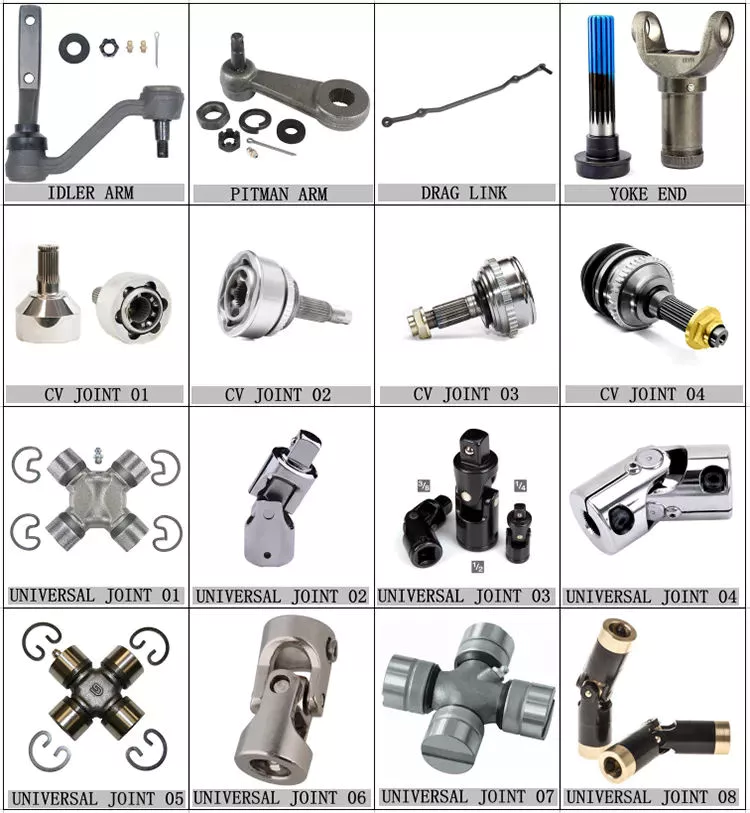
Can PTO drivelines be adapted for use in both agricultural and industrial settings?
Yes, PTO (Power Take-Off) drivelines can be adapted for use in both agricultural and industrial settings. PTO drivelines are versatile and widely utilized in various applications, including agricultural machinery, construction equipment, forestry machinery, and industrial machinery. Let’s explore how PTO drivelines can be adapted for different settings:
1. Agricultural Settings:
– PTO drivelines have been extensively used in agriculture for decades. They are commonly found in tractors, combine harvesters, balers, mowers, and other agricultural equipment. In agricultural settings, PTO drivelines are primarily used to transfer power from the tractor’s engine to various implements, such as rotary cutters, grain augers, pumps, and sprayers. These drivelines are designed to withstand the demanding conditions typically encountered in agricultural operations, including exposure to dust, debris, and uneven terrain. PTO drivelines for agriculture often feature durable construction, robust components, and protective measures such as shields and guards to ensure operator safety and reliable power transfer.
2. Industrial Settings:
– PTO drivelines can also be adapted for use in industrial settings. Industrial machinery, such as generators, pumps, compressors, and conveyors, often require a power source to drive their operations. PTO drivelines can be employed to transfer power from an engine or motor to these industrial machines. However, certain modifications and adaptations may be necessary to suit the specific requirements of the industrial application. This can include adjusting the speed and torque output of the driveline, incorporating specialized couplings or adapters, and implementing additional safety features to meet industrial safety standards. PTO drivelines used in industrial settings are typically designed to withstand heavy loads, continuous operation, and robust working conditions.
3. Adaptability and Compatibility:
– One of the advantages of PTO drivelines is their adaptability and compatibility with various equipment and machinery. The standardized nature of PTO shafts and connections allows for easy interchangeability between different implements and machines, regardless of whether they are used in agricultural or industrial settings. This interchangeability enables farmers, contractors, and operators to utilize the same PTO driveline across different equipment, reducing the need for multiple drivelines and enhancing operational efficiency. However, it is essential to ensure that the driveline’s specifications, such as torque rating, speed rating, and size, are compatible with the specific requirements of the equipment and application.
4. Considerations for Adaptation:
– When adapting PTO drivelines for different settings, it is crucial to consider factors such as power requirements, operating conditions, safety regulations, and equipment compatibility. The specific needs of the application, including the torque, speed, and operating angles, should be carefully evaluated to choose the appropriate driveline components and configurations. It may be necessary to consult equipment manufacturers, engineers, or experts in driveline systems to ensure proper adaptation and compatibility.
5. Safety and Efficiency:
– Regardless of the setting, safety and efficiency remain paramount when adapting PTO drivelines. Safety measures, such as shields, guards, shear pins, slip clutches, and overload protection devices, should be incorporated to protect operators and prevent accidents. Regular maintenance and inspections are essential to ensure the driveline’s optimal performance and longevity. Lubrication, alignment, and proper usage practices should be followed to maximize efficiency and reduce wear and tear.
In conclusion, PTO drivelines can be adapted for use in both agricultural and industrial settings. Their versatility, compatibility, and interchangeability make them suitable for a wide range of applications. By considering the specific requirements of the setting, incorporating necessary adaptations, and prioritizing safety and efficiency, PTO drivelines can deliver reliable power transfer in various agricultural and industrial environments.
Are there any limitations or challenges associated with using PTO driveline systems?
While PTO (Power Take-Off) driveline systems offer numerous benefits, there are also certain limitations and challenges associated with their use. Here are some of the key considerations:
1. Safety Risks:
– PTO driveline systems can pose safety risks if not handled properly. The rotating components of the driveline, such as the shafts, yokes, and universal joints, can cause serious injuries if operators come into contact with them while in motion. It is crucial to follow proper safety procedures, including the use of shields, guards, and safety devices, to prevent accidents. Adequate training and awareness about the potential hazards associated with PTO driveline systems are essential.
2. Maintenance and Lubrication:
– PTO driveline systems require regular maintenance and lubrication to ensure optimal performance and longevity. The universal joints, splines, and other moving parts need to be inspected, cleaned, and properly lubricated according to the manufacturer’s recommendations. Neglecting maintenance can lead to premature wear, increased friction, and potential failures, compromising the driveline’s efficiency and reliability.
3. Alignment and Misalignment:
– Proper alignment between the power source and the driven equipment is crucial for efficient power transfer in PTO driveline systems. Misalignment can result in increased vibration, excessive wear, and reduced power transmission efficiency. Achieving and maintaining proper alignment can be challenging, especially when connecting the driveline to equipment with varying mounting heights, angles, or misaligned driveline components. Operators need to carefully align the driveline to minimize stress and ensure smooth operation.
4. Length and Compatibility:
– PTO driveline systems need to be appropriately sized and compatible with the specific equipment and applications they are intended for. Variations in length, connection types, and torque requirements among different equipment can pose challenges in selecting the right driveline. Ensuring proper compatibility and fit between the driveline and the equipment is crucial for optimal power transmission and safety. Customization or adaptation may be necessary in certain cases, which could add complexity and cost.
5. Torque Overload and Protection:
– PTO driveline systems are susceptible to torque overload, especially when the driven equipment encounters sudden resistance or obstructions. Excessive torque can lead to driveline component failures, such as universal joint breakage or shear pin failure, potentially causing damage to the driveline or other connected components. Proper protection mechanisms, such as shear pins, slip clutches, or overload clutches, should be employed to prevent damage and ensure operator safety.
6. Noise and Vibration:
– PTO driveline systems can generate significant noise and vibration during operation. The rotating components, imbalances, misalignments, or worn-out components can contribute to increased noise levels and vibration. Excessive noise and vibration not only affect operator comfort but can also lead to component fatigue and premature wear. Employing appropriate vibration dampening techniques, balancing the driveline components, and using vibration-absorbing materials can help mitigate these issues.
7. Environmental Factors:
– PTO driveline systems may be exposed to various environmental factors, such as dust, debris, moisture, and temperature extremes. These factors can impact the driveline’s performance and longevity. Dust and debris can accumulate in the driveline components, leading to increased friction and wear. Moisture and corrosive environments can cause rust and degradation of driveline parts. Extreme temperatures can affect the lubrication properties and material integrity. Regular inspection, cleaning, and appropriate protection measures are essential to mitigate the impact of environmental factors.
In summary, while PTO driveline systems offer significant advantages, there are limitations and challenges that need to be addressed for safe and efficient operation. These include safety risks, maintenance requirements, alignment considerations, compatibility issues, torque overload protection, noise and vibration management, and the impact of environmental factors. By understanding and addressing these challenges, operators can ensure the proper functioning and longevity of PTO driveline systems.
How do PTO drivelines handle variations in speed, torque, and angles during operation?
PTO (Power Take-Off) drivelines are designed to handle variations in speed, torque, and angles during operation, ensuring efficient power transmission between the power source (such as a tractor engine) and the driven equipment. Here’s how PTO drivelines handle these variations:
Variations in Speed:
PTO drivelines accommodate variations in speed through the use of different mechanisms, depending on the type of driveline. Here are two common methods:
1. Constant Velocity (CV) Joints: CV joints are commonly used in CV PTO drivelines to maintain a constant speed and smooth power transmission, even when the driven equipment operates at varying angles or speeds. CV joints allow the driveline to transmit power without a significant increase in vibration or power loss. These joints consist of specially designed bearings and races that allow for a constant angular velocity, regardless of the operating angle of the driveline. This ensures that the driven equipment receives a consistent and uniform power supply, even as the speed varies.
2. Variable Pulleys or Clutches: In some non-CV PTO drivelines or applications, variable pulleys or clutches can be used to adjust the speed ratio between the power source and the driven equipment. By changing the position of the pulleys or adjusting the clutch engagement, the effective diameter of the pulleys or the contact area of the clutch can be altered, allowing for speed adjustments. This enables operators to match the speed of the driven equipment to the desired operational requirements, accommodating variations in speed during operation.
Variations in Torque:
PTO drivelines are designed to handle variations in torque, ensuring efficient power transmission even when the torque requirements change. Here are two common methods used to handle torque variations:
1. Slip Clutches: Slip clutches are commonly used in PTO drivelines to protect the driveline and driven equipment from excessive torque or sudden shock loads. These clutches incorporate a mechanism that allows the driveline to slip or disengage momentarily when the torque exceeds a certain threshold. This slipping action protects against damage by relieving the excess torque and allows the equipment to continue operating once the resistance is removed. Slip clutches provide a safety measure to prevent driveline and equipment damage due to sudden changes in torque.
2. Shear Bolts: Shear bolts are another method used to handle torque variations in PTO drivelines. These bolts are designed to break and disconnect the power transmission when the torque exceeds a certain threshold. By breaking the shear bolts, the driveline and equipment are protected from excessive torque, preventing damage. Shear bolts are commonly used in applications where sudden obstructions or excessive loads can occur, such as in rotary cutters or flail mowers.
Variations in Angles:
PTO drivelines are engineered to accommodate variations in operating angles. Here’s how they handle angle variations:
1. Flexible Design: PTO drivelines are often designed with flexibility in mind, allowing for slight misalignments and variations in operating angles. Flexible couplings or telescopic sections within the driveline can help compensate for angular misalignments, ensuring smooth power transmission even when the driven equipment operates at an angle. These flexible components can absorb and accommodate the movement and misalignment between the power source and the driven equipment, reducing stress and potential damage to the driveline.
2. Articulating Joints: Some PTO drivelines incorporate articulating joints, such as universal joints or CV joints, to handle variations in operating angles. These joints allow for movement and flexibility, accommodating changes in angle without compromising power transmission. Universal joints can handle up to 30 degrees of angular misalignment, while CV joints can handle even greater angles, providing a smooth and continuous power transfer across a range of operating angles.
By incorporating these design features and mechanisms, PTO drivelines effectively handle variations in speed, torque, and angles during operation. This ensures reliable and efficient power transmission between the power source and the driven equipment, allowing for optimal performance and productivity in a wide range of agricultural and industrial applications.


editor by CX 2024-01-08