Product Description
Transmission shaft
Product Description
| Product Name | Transmission shaft |
| Design | Can be at the customer’ request, tailor-made, at customer’s design |
| Advantage | ZJD can provide the transmission shaft according to customers technical specifications. |
Our Advantages
Application
Product Display
Company Profile
ZJD is located in Xihu (West Lake) Dis. Economic Development Zone, Xihu (West Lake) Dis. District, HangZhou, ZheJiang , which has very good transportation convenience and location advantages.ZJD own 1 subsidiary, which is located in HangZhou city, ZheJiang province, which is mainly responsible for EMU accessories for CRRC’s factory nearby.
ZJD’s production and office space is more than 12,000 square meters, and more than 60 sets of various types of CNC machining and quality control equipment.ZJD’s main products are widely used in CHINAMFG CR400, CR300, CR200 series standard EMUs, and expanded to subways, export passenger cars and EMUs and other products.
ZJD has more than 60 employees and more than 20 technical management personnel. The technical management team has many years of working experience in the rail transit industry.
Certifications
ZJD has obtained the national high-tech enterprise certification, 6 types of products have passed the high-tech certification, and related products have obtained more than 20 patents.
ZJD has established a comprehensive quality management system and has got ISO9001 quality management system certification, ISO/TS 22163 (IRIS) international railway industry standard certification, EN15085-2 railway vehicles welding system certification, and CHINAMFG product supply service qualification certification.
FAQ
1. Who are we?
HangZhou ZJD Rail Equipment Co.,Ltd. was established in 2012, which is a professional manufacturer of rail equipment and accessories.
2. Are you a reliable supplier?
ZJD-Excellent Manufacturer focusing on the rolling stock industry
Provide full-process Design, Production, Testing and Service according to customer requirements.
3.What can you buy from us?
We have designed and supplied a series of products such an air duct systems, piping systerms, pneumatic control units,etc.The product are used in various fields such an EMUs,subways,locomotives,wagon engineering vehicles,etc.
4. What services can we provide?
Provide customized services of heavy industry products for special requirements.
Provide diversified parts and trade services such as port machinery, steel heavy industry, mining machinery, etc.
Provide customized products for new energy equipment
Provide key process technology solutions for special parts in the field of new energy equipment.
/* March 10, 2571 17:59:20 */!function(){function s(e,r){var a,o={};try{e&&e.split(“,”).forEach(function(e,t){e&&(a=e.match(/(.*?):(.*)$/))&&1
| Material: | Carbon Steel |
|---|---|
| Load: | Revolution Axis |
| Stiffness & Flexibility: | Flexible Shaft |
| Axis Shape: | Straight Shaft |
| Shaft Shape: | Real Axis |
| Appearance Shape: | Round |
| Customization: |
Available
| Customized Request |
|---|
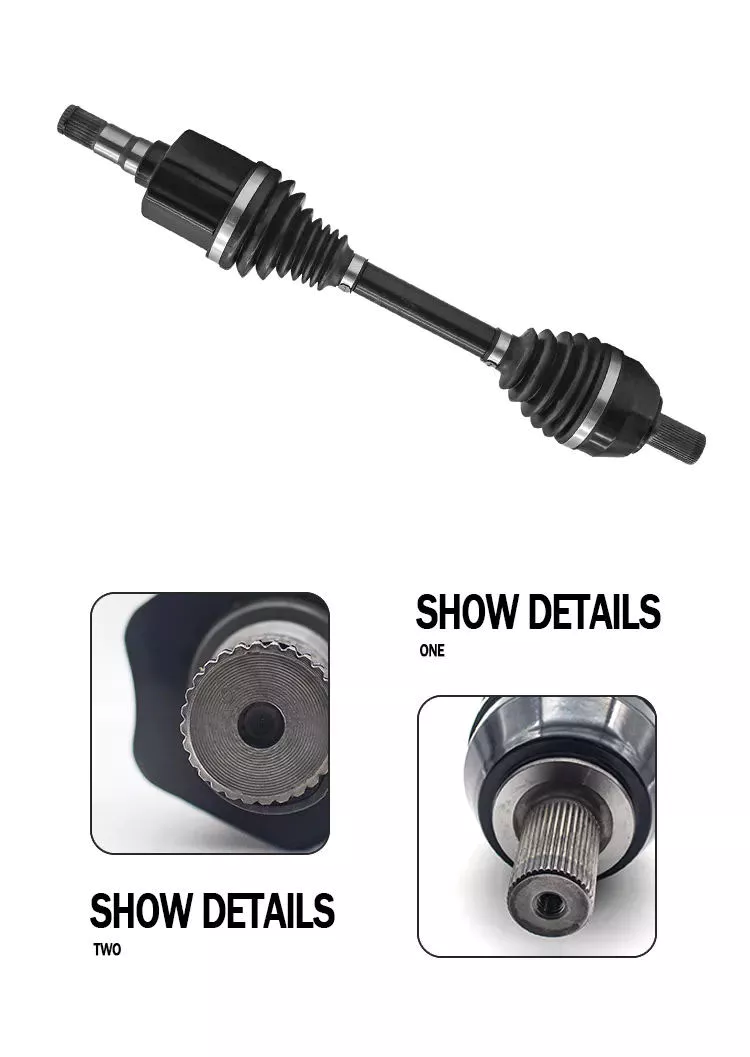
How do manufacturers ensure the compatibility of PTO drivelines with diverse equipment?
Manufacturers employ various methods and considerations to ensure the compatibility of PTO (Power Take-Off) drivelines with diverse equipment. Here are the key factors they take into account:
1. Standardization:
– PTO drivelines are built according to standardized specifications and dimensions. Manufacturers adhere to industry standards and guidelines, such as those set by organizations like the American Society of Agricultural and Biological Engineers (ASABE) and the International Organization for Standardization (ISO). These standards define key parameters like shaft dimensions, connection types, torque ratings, and safety requirements. By following these standards, manufacturers ensure that their PTO drivelines can be easily interchanged and connected with diverse equipment that adheres to the same standards.
2. Compatibility Testing:
– Manufacturers conduct extensive compatibility testing to verify the performance and suitability of their PTO drivelines with different types of equipment. This testing involves connecting the drivelines to various implements, machines, and power sources to assess factors like power transfer efficiency, alignment, torque handling, and safety. Compatibility testing helps identify any issues or limitations that may arise when connecting the drivelines to different equipment. Manufacturers can then make necessary adjustments or recommendations to ensure optimal compatibility.
3. Application-Specific Design:
– Manufacturers often design PTO drivelines with specific applications in mind. They consider the requirements and operating conditions of various equipment categories, such as agricultural machinery, construction equipment, or industrial machinery. Manufacturers may offer different models or configurations of PTO drivelines tailored to these specific applications. For example, agricultural PTO drivelines may have features like enhanced dust resistance, rugged construction, and additional safety measures, while industrial PTO drivelines may prioritize high torque capacity and durability for heavy-duty applications. By designing drivelines with application-specific considerations, manufacturers ensure that their products meet the unique demands of diverse equipment types.
4. Consultation and Collaboration:
– Manufacturers maintain close relationships and collaborations with equipment manufacturers and suppliers. This collaboration allows them to exchange information about equipment requirements and driveline specifications. By understanding the specific needs of different equipment, manufacturers can develop PTO drivelines that align with those requirements. They may also provide technical support and guidance to equipment manufacturers regarding the selection and integration of PTO drivelines into their products. This consultation and collaboration foster compatibility and ensure that the drivelines are suitable for the intended equipment.
5. Documentation and Guidelines:
– Manufacturers provide detailed documentation, user manuals, and guidelines that outline the compatibility aspects of their PTO drivelines. These resources specify the recommended equipment types, connection methods, torque limits, and other important considerations for proper integration. Operators and equipment manufacturers can refer to these documents to ensure the compatibility of the PTO drivelines with diverse equipment. Manufacturers may also offer technical support or customer service channels to address any compatibility-related questions or concerns.
6. Ongoing Research and Development:
– Manufacturers continuously invest in research and development to improve the compatibility of their PTO drivelines with evolving equipment technologies. They stay updated with industry trends, technological advancements, and changing equipment requirements. This allows them to adapt and innovate their driveline designs, materials, and manufacturing processes to ensure ongoing compatibility with new and emerging equipment types and applications.
In summary, manufacturers ensure the compatibility of PTO drivelines with diverse equipment through standardization, compatibility testing, application-specific design, consultation and collaboration with equipment manufacturers, documentation and guidelines, and ongoing research and development. These efforts enable manufacturers to provide drivelines that effectively and safely interface with a wide range of equipment, promoting seamless integration and reliable power transfer.
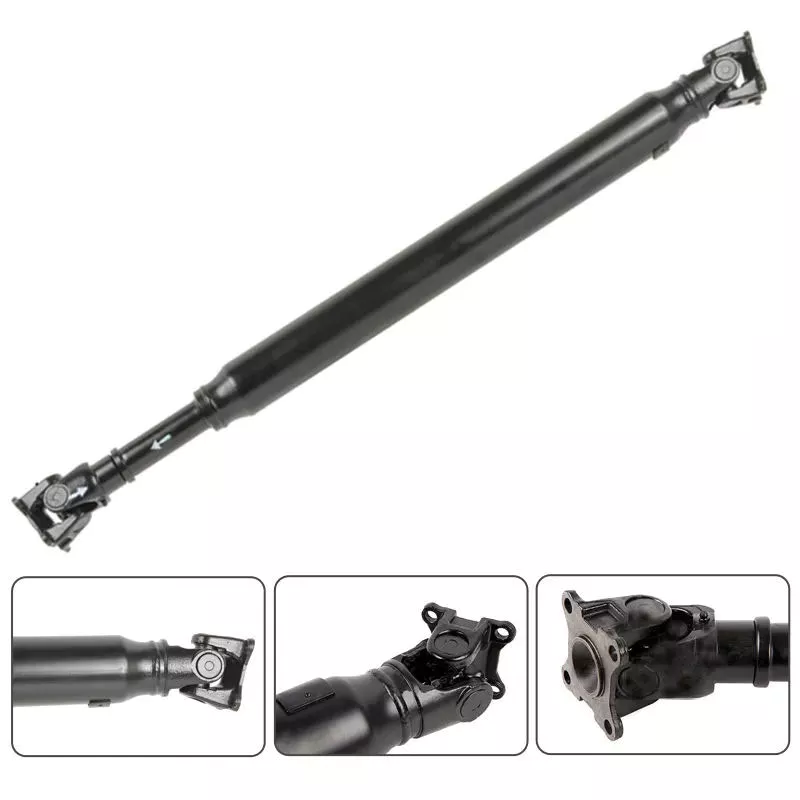
Are there any limitations or challenges associated with using PTO driveline systems?
While PTO (Power Take-Off) driveline systems offer numerous benefits, there are also certain limitations and challenges associated with their use. Here are some of the key considerations:
1. Safety Risks:
– PTO driveline systems can pose safety risks if not handled properly. The rotating components of the driveline, such as the shafts, yokes, and universal joints, can cause serious injuries if operators come into contact with them while in motion. It is crucial to follow proper safety procedures, including the use of shields, guards, and safety devices, to prevent accidents. Adequate training and awareness about the potential hazards associated with PTO driveline systems are essential.
2. Maintenance and Lubrication:
– PTO driveline systems require regular maintenance and lubrication to ensure optimal performance and longevity. The universal joints, splines, and other moving parts need to be inspected, cleaned, and properly lubricated according to the manufacturer’s recommendations. Neglecting maintenance can lead to premature wear, increased friction, and potential failures, compromising the driveline’s efficiency and reliability.
3. Alignment and Misalignment:
– Proper alignment between the power source and the driven equipment is crucial for efficient power transfer in PTO driveline systems. Misalignment can result in increased vibration, excessive wear, and reduced power transmission efficiency. Achieving and maintaining proper alignment can be challenging, especially when connecting the driveline to equipment with varying mounting heights, angles, or misaligned driveline components. Operators need to carefully align the driveline to minimize stress and ensure smooth operation.
4. Length and Compatibility:
– PTO driveline systems need to be appropriately sized and compatible with the specific equipment and applications they are intended for. Variations in length, connection types, and torque requirements among different equipment can pose challenges in selecting the right driveline. Ensuring proper compatibility and fit between the driveline and the equipment is crucial for optimal power transmission and safety. Customization or adaptation may be necessary in certain cases, which could add complexity and cost.
5. Torque Overload and Protection:
– PTO driveline systems are susceptible to torque overload, especially when the driven equipment encounters sudden resistance or obstructions. Excessive torque can lead to driveline component failures, such as universal joint breakage or shear pin failure, potentially causing damage to the driveline or other connected components. Proper protection mechanisms, such as shear pins, slip clutches, or overload clutches, should be employed to prevent damage and ensure operator safety.
6. Noise and Vibration:
– PTO driveline systems can generate significant noise and vibration during operation. The rotating components, imbalances, misalignments, or worn-out components can contribute to increased noise levels and vibration. Excessive noise and vibration not only affect operator comfort but can also lead to component fatigue and premature wear. Employing appropriate vibration dampening techniques, balancing the driveline components, and using vibration-absorbing materials can help mitigate these issues.
7. Environmental Factors:
– PTO driveline systems may be exposed to various environmental factors, such as dust, debris, moisture, and temperature extremes. These factors can impact the driveline’s performance and longevity. Dust and debris can accumulate in the driveline components, leading to increased friction and wear. Moisture and corrosive environments can cause rust and degradation of driveline parts. Extreme temperatures can affect the lubrication properties and material integrity. Regular inspection, cleaning, and appropriate protection measures are essential to mitigate the impact of environmental factors.
In summary, while PTO driveline systems offer significant advantages, there are limitations and challenges that need to be addressed for safe and efficient operation. These include safety risks, maintenance requirements, alignment considerations, compatibility issues, torque overload protection, noise and vibration management, and the impact of environmental factors. By understanding and addressing these challenges, operators can ensure the proper functioning and longevity of PTO driveline systems.
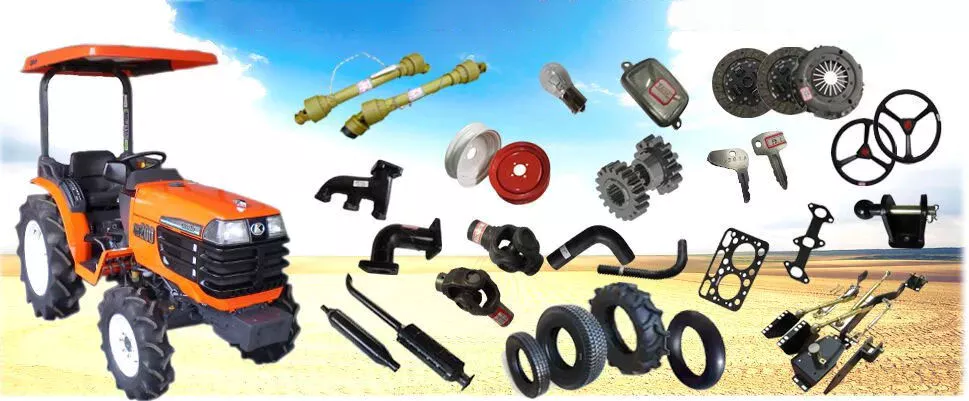
Can you explain the types of PTO drivelines available and their specific applications?
PTO (Power Take-Off) drivelines come in various types and configurations, each designed to suit specific applications and equipment requirements. The choice of PTO driveline depends on factors such as power transmission needs, rotational speed, torque requirements, and the type of machinery being used. Let’s explore some of the commonly used types of PTO drivelines and their specific applications:
1. Non-Constant Velocity (Non-CV) PTO Driveline:
– Applications: Non-CV PTO drivelines are typically used for applications where the driven equipment operates at a constant speed and does not require smooth, continuous power transmission. They are commonly employed in tasks such as powering stationary equipment, grain augers, water pumps, and generators.
2. Constant Velocity (CV) PTO Driveline:
– Applications: CV PTO drivelines are designed for applications that require smooth and continuous power transmission, especially in situations where the driven equipment operates at varying angles or speeds. They are commonly used in tasks such as operating mowers, balers, combines, forage harvesters, and other equipment that involve rotational movement at different angles and speeds.
3. Shear Bolt PTO Driveline:
– Applications: Shear bolt PTO drivelines are primarily used to protect the driveline and driven equipment from excessive shock loads or sudden obstructions. They are commonly employed in tasks such as rotary cutters, flail mowers, and other implements that may encounter obstacles or tough vegetation. The shear bolts in the driveline are designed to break and disconnect the power transmission in case of excessive load, preventing damage to the driveline or equipment.
4. Slip Clutch PTO Driveline:
– Applications: Slip clutch PTO drivelines offer a means of protecting the driveline and driven equipment from excessive torque or sudden shock loads. They are commonly used in tasks such as rotary tillers, post hole diggers, and other implements where the equipment may encounter resistance or encounter obstacles. The slip clutch mechanism allows the driveline to slip or disengage momentarily when the torque exceeds a certain threshold, protecting against damage and allowing the equipment to continue operating once the resistance is removed.
5. Hydraulic PTO Driveline:
– Applications: Hydraulic PTO drivelines utilize hydraulic power instead of mechanical power transmission. They are commonly used in applications such as operating hydraulic pumps, winches, and other hydraulic-driven equipment. Hydraulic PTO drivelines are often found in industrial machinery, construction equipment, and vehicles where hydraulic power is readily available.
6. Front PTO Driveline:
– Applications: Front PTO drivelines are specifically designed for machinery with front-mounted implements or attachments. They are commonly used in tasks such as operating front-mounted mowers, snow blowers, or hydraulic front loaders. Front PTO drivelines enable power transmission to the front of the vehicle or equipment, allowing for efficient operation of front-mounted implements.
These are just some of the commonly used types of PTO drivelines and their specific applications. It’s important to note that the specific type of PTO driveline used may vary depending on the manufacturer, equipment design, and industry requirements. When selecting a PTO driveline, it’s crucial to consider the specific needs of the equipment and the intended application to ensure optimal performance, efficiency, and reliability.


editor by CX 2024-02-07