Өнім сипаттамасы
Company Profile
Established in 2009, HangZhou CZPT Trading Co., Ltd is a professional supplier for conveyor parts, located in ZHangZhoug province. We focus on supplying a variety of conveyor parts, including conveyor tubes, conveyor frames, conveyor rollers, bearing housings and so forth.
With our professional technology R&D team, and experienced quality control department, our products have been awarded the ISO9001 Quality Management System Standard and our main markets are in America, Europe, Asia and Australia.
|
Factory advantage |
Professional and experienced technology team | ||
| All products inspected before shipping with reasonable prices | |||
| Low MOQ and free sample | |||
| We are audited by SGS and passed the ISO9001:2008 certification | |||
|
Industries service |
Industrial machine | ||
| Electronic and communication | |||
| Oil, gas,mining and petroleum | |||
| Construction industry | |||
| Equipment | CNC Machining Center, CNC Lathes, CNC Milling Machines, Punching and drilling machines, Stamping machines | ||
| Precision Processing | CNC machining, CNC turning and milling, laser cutting, drilling, grinding, bending, stamping, welding | ||
Roller size
| No. | Standard Diameter | Length Range (mm) |
Bearing Type Min-Max |
Shell Thickness of Roller | |
| мм | Inch | ||||
| 1 | 63.5 | 2 1/2 | 150-3500 | 203 204 | 3.0mm-4.0mm |
| 2 | 76 | 3 | 150-3500 | 204 | 3.0mm-4.5mm |
| 3 | 89 | 3 1/3 | 150-3500 | 204 205 | 3.0mm-4.5mm |
| 4 | 102 | 4 | 150-3500 | 3.2mm-4.5mm | |
| 5 | 108 | 4 1/4 | 150-3500 | 306 | 3.5mm-4.5mm |
| 6 | 114 | 4 1/2 | 150-3500 | 306 | 3.5mm-4.5mm |
| 7 | 127 | 5 | 150-3500 | 306 | 3.5mm-5.0mm |
| 8 | 133 | 5 1/4 | 150-3500 | 305 306 | 3.5mm-5.0mm |
| 9 | 140 | 5 1/2 | 150-3500 | 306 307 | 3.5mm-5.0mm |
| 10 | 152 | 6 | 150-3500 | 4.0mm-5.0mm | |
| 11 | 159 | 6 1/4 | 150-3500 | 4.0mm-5.0mm | |
| 12 | 165 | 6 1/2 | 150-3500 | 307 308 | 4.5mm-6.0mm |
| 13 | 177.8 | 7 | 150-3500 | 309 | 4.5mm-6.0mm |
| 14 | 190.7 | 7 1/2 | 150-3500 | 309 310 | 4.5mm-7.0mm |
| 15 | 194 | 7 5/8 | 150-3500 | 309 310 | 4.5mm-8.0mm |
| 16 | 219 | 8 5/8 | 150-3500 | 4.5mm-8.0mm | |
Артықшылығы:
1.The life time: More than 50000 hours
2. TIR (Total Indicator Runout)
0.5mm (0.0197″) for Roll Length 0-600mm
0.8mm (0.571″) for Roll Length 601-1350mm
1.0mm (0. 0571 “) for Roll Length over 1350mm
3.Shaft Float≤0.8mm
4..Samples for testing are available.
5. Lower resistance
6. Small maintain work
7. High load capability
8. Dust proof & water proof
CONVRYOR ROLLER SHAFTS
| We can produce roller shafts and We do customeized |
| Product Size:φ10mm – 70mm |
| Max Length: 3000mm |
| Surface Tolerance: g6 |
| Surface Roughness:0.8mm |
| Specification | ASTM A108 AS1443 |
| Steel Grade | Q235B,C1571,C1045(we can also do other steel grade per your requirments) |
| Өлшемі | Φ18mm-φ62mm |
| Diameter Tolerance | ISO286-2,H7/H8 |
| Straightness | 2000:1 |
| O.D | 63.5-219.1mm |
| W .T | 0.45-20mm |
| Length | 6–12m |
| Standard | SANS 657/3,ASTM 513,AS 1163,BS6323,EN10305 |
| Material | Q235B, S355,S230,C350,E235 etc. |
| Technique | Welded,Seamless |
| Surface | oiled ,galvanized or painted with all kinds of colors according to client’s request. |
| Ends | 1.Plain ends, |
| 2.Threading at both side with plastice caps | |
| 3.Threading at both side with socket/coupling. | |
| 4.Beveled ends, and so on | |
| Packing | 1.Water-proof plastic cloth, |
| 2.Woven bags, | |
| 3.PVC package, | |
| 4.Steel strips in bundles | |
| 5.As your requirment | |
| Usage | 1.For low pressure liquid delivery such as water,gas and oil. |
| 2.For construction | |
| 3.Mechanical equipment | |
| 4.For Furniture | |
| Payment&Trade Terms | 1.Payment : T/T,L/C, D/P, Western union |
| 2.Trade Terms:FOB/CFR/CIF | |
| 3.Minimum quantity of order : 10 MT (10,000KGS) | |
| Delivery Time | 1.Usually,within10-20days after receiving your down payment. |
| 2.According to the order quantity |
Conveyor Roller Tube
|
Conveyor Roller Tube |
Specification | SANS657/3,ASTM513,AS1163,BS6323,EN10305 or equivalent international standard. |
| Steel grade | S355/S230,C350,E235,Q235B | |
| Sizes | 63.5mm-219.1mm ect | |
| Ovality tolerance of body | ≤0.4mm(60.3mm-152.4mm) | |
| ≤0.5mm(159MM-168.3mm) | ||
| ≤0.6mm(178mm-219mm) | ||
| Straightness | 2000:1 |
if you are interesting in our products or want any further information, please feel free to contact us!
I am looking CZPT to your reply.
Best regards
Ruth
HangZhou CZPT TRADING CO., LTD
1801 CZPT Building, No.268 Xierhuan Road, HangZhou City, ZHangZhoug Province, China
/* March 10, 2571 17:59:20 */!function(){function s(e,r){var a,o={};try{e&&e.split(“,”).forEach(function(e,t){e&&(a=e.match(/(.*?):(.*)$/))&&1
| Steel Grade: | C1018 C1020 |
|---|---|
| Standard: | ASTM A108 |
| Size: | Od18mm—62mm |
| Surface Tolerance: | G6 |
| Max Length: | Max 3000mm |
| Surface Roughness: | 0.8 |
| Үлгілер: |
US$ 0/Piece
1 дана (ең аз тапсырыс) | |
|---|
| Customization: |
Available
| Customized Request |
|---|
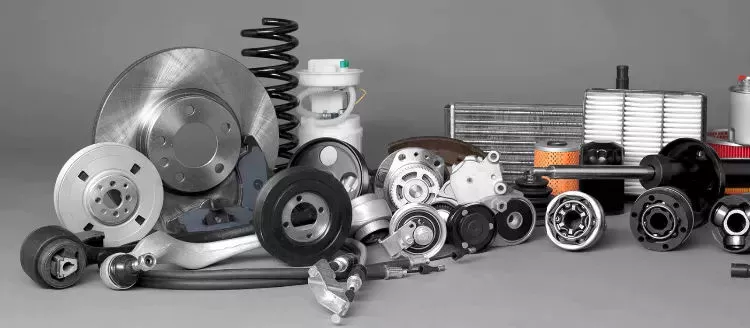
What maintenance practices are essential for prolonging the lifespan of driveline components?
Implementing proper maintenance practices is crucial for ensuring the longevity and optimal performance of driveline components. Regular maintenance helps identify potential issues, prevent major failures, and prolong the lifespan of driveline components. Here are some essential maintenance practices for prolonging the lifespan of driveline components:
1. Regular Inspections:
Performing regular visual inspections of driveline components is essential for detecting any signs of wear, damage, or misalignment. Inspect the driveline components, including driveshafts, universal joints, CV joints, differentials, and transmission components, for any cracks, leaks, excessive play, or unusual noise. Identifying and addressing issues early can prevent further damage and potential driveline failure.
2. Lubrication:
Proper lubrication of driveline components is crucial for minimizing friction, reducing wear, and ensuring smooth operation. Follow the manufacturer’s recommendations for lubrication intervals and use the appropriate type and grade of lubricant. Regularly check and maintain the lubrication levels in components such as bearings, gears, and joints to prevent excessive heat buildup and premature wear.
3. Fluid Changes:
Fluids play a vital role in driveline component performance and longevity. Regularly change fluids, such as transmission fluid, differential oil, and transfer case fluid, according to the manufacturer’s recommended intervals. Over time, these fluids can become contaminated or break down, leading to compromised performance and increased wear. Fresh fluids help maintain proper lubrication, cooling, and protection of driveline components.
4. Alignment and Balancing:
Proper alignment and balancing of driveline components are essential for minimizing vibration, reducing stress, and preventing premature wear. Periodically check and adjust the alignment of driveshafts, ensuring they are properly aligned with the transmission and differential. Additionally, balance rotating components, such as driveshafts or flywheels, to minimize vibrations and prevent excessive stress on driveline components.
5. Torque Check:
Regularly check and ensure that all driveline components are properly torqued according to the manufacturer’s specifications. Over time, fasteners can loosen due to vibrations or thermal expansion and contraction. Loose fasteners can lead to misalignment, excessive play, or even component failure. Regular torque checks help maintain the integrity and performance of the driveline system.
6. Maintenance of Supporting Systems:
Driveline components rely on the proper functioning of supporting systems, such as cooling systems and electrical systems. Ensure that cooling systems are functioning correctly, as overheating can cause driveline components to degrade or fail. Additionally, regularly inspect electrical connections, wiring harnesses, and sensors to ensure proper communication and operation of driveline components.
7. Proper Driving Techniques:
The way a vehicle is driven can significantly impact the lifespan of driveline components. Avoid aggressive driving, sudden acceleration, and excessive braking, as these actions can put undue stress on the driveline components. Smooth and gradual acceleration, proper shifting techniques, and avoiding excessive load or towing capacities help minimize wear and prolong component life.
8. Service and Maintenance Records:
Maintain comprehensive service and maintenance records for the driveline components. Keep track of all maintenance tasks, repairs, fluid changes, and inspections performed. These records help ensure that maintenance tasks are performed on time, provide a history of component performance, and assist in diagnosing any recurring issues or patterns.
By following these maintenance practices, vehicle owners can prolong the lifespan of driveline components, minimize the risk of failures, and ensure optimal performance and reliability of the driveline system.
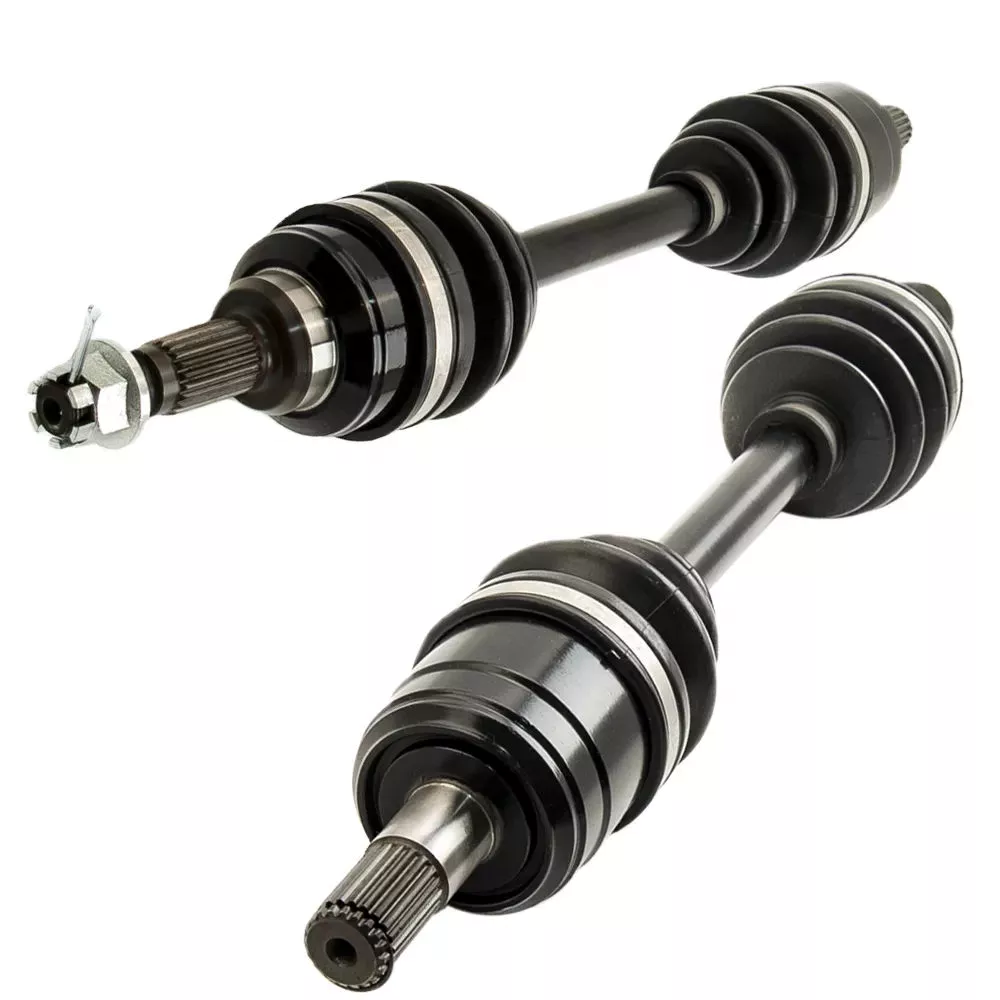
Қозғалтқыш жүйесінің компоненттерін көліктің немесе жабдықтың нақты талаптарына сәйкес реттеуге бола ма?
Иә, жетектің құрамдас бөліктерін көліктің немесе жабдықтың нақты талаптарына сәйкес келтіруге болады. Өндірушілер мен жеткізушілер оңтайлы өнімділікті, үйлесімділікті және әртүрлі көліктермен немесе жабдықтармен интеграцияны қамтамасыз ету үшін теңшеудің бірқатар нұсқаларын ұсынады. Теңшеу жетектің құрамдас бөліктерін белгілі бір қуат блогының конфигурацияларына, жұмыс жағдайларына, момент талаптарына және кеңістік шектеулеріне бейімдеуге мүмкіндік береді. Жетектің құрамдас бөліктерін теңшеудің егжей-тегжейлерін қарастырайық:
1. Қуат блогының конфигурациясы:
Жетек жүйесінің компоненттерін әртүрлі қуат беру жүйесінің конфигурацияларына бейімдеуге болады. Алдыңғы жетекті, артқы жетекті немесе толық жетекті жүйе болсын, өндірушілер белгілі бір конфигурацияның қажетті қуатты бөлу және момент беру сипаттамаларына сәйкес келетін дифференциалдар, беріліс қораптары және жетек біліктері сияқты нақты компоненттерді жобалап, ұсына алады.
2. Айналдыру моменті сыйымдылығы:
Қозғалтқыш жүйесінің компоненттерін белгілі бір момент талаптарын орындау үшін теңшеуге болады. Әр түрлі көліктерде немесе жабдықтарда олардың қолданылуына байланысты әртүрлі момент шығыстары болуы мүмкін. Өндірушілер жолаушылар көліктерінен бастап ауыр жүк көліктеріне немесе техникаға дейінгі әртүрлі қолданбалар үшін сенімді және тиімді қуат берілуін қамтамасыз ету үшін әртүрлі момент басқару мүмкіндіктері бар қозғалтқыш жүйесінің компоненттерін жасап шығара алады.
3. Өлшемі және конфигурациясы:
Қозғалтқыштың құрамдас бөліктерін әртүрлі көлік құралдарының немесе жабдықтардың кеңістік шектеулеріне сәйкес келетіндей етіп өлшемі, пішіні және конфигурациясы бойынша реттеуге болады. Өндірушілер әрбір қолданбаның шектеулі кеңістік немесе арнайы орнату талаптары сияқты бірегей қаптама шектеулері болуы мүмкін екенін түсінеді. Теңшеу арқылы қозғалтқыштың құрамдас бөліктерін осы нақты өлшемдік және қаптама шектеулеріне сәйкес келетіндей етіп жобалауға және өндіруге болады.
4. Материалды таңдау:
Қозғалтқыш компоненттеріне арналған материалдарды таңдау қажетті беріктік, салмақ және төзімділік сипаттамаларына негізделіп реттелуі мүмкін. Әртүрлі көліктер немесе жабдықтар өнімділікті оңтайландыру үшін белгілі бір материалдық қасиеттерді талап етуі мүмкін, мысалы, отын тиімділігін арттыру үшін жеңіл материалдар немесе ауыр жүктемелерге арналған жоғары беріктік қорытпалары. Өндірушілер нақты өнімділік және пайдалану талаптарына сай келетін материалдармен теңшелген қозғалтқыш компоненттерін ұсына алады.
5. Өнімділікті оңтайландыру:
Жетек жүйесінің құрамдас бөліктерін белгілі бір қолданбаларда өнімділікті оңтайландыру үшін теңшеуге болады. Өндірушілер көлік құралының немесе жабдықтың мақсатты пайдаланылуына байланысты үдеуді, тарту күшін, тиімділікті немесе нақты өнімділік атрибуттарын жақсарту үшін беріліс коэффициенттері, дифференциалды конфигурациялар немесе ілінісу сипаттамалары сияқты аспектілерді өзгерте алады. Бұл теңшеу жетегі жүйесінің құрамдас бөліктерінің нақты қолданба үшін қажетті өнімділік сипаттамаларын қамтамасыз ету үшін бейімделуін қамтамасыз етеді.
6. Мамандандырылған қолданбалар:
Жол талғамайтын көліктер, жарыс автомобильдері немесе өнеркәсіптік техника сияқты мамандандырылған қолданбалар үшін жетек компоненттерін сол орталардың бірегей талаптарын қанағаттандыру үшін одан әрі теңшеуге болады. Өндірушілер экстремалды жағдайларға немесе ауыр жұмыс жүктемелеріне төтеп беру үшін жақсартылған салқындату, күшейтілген конструкция немесе момент сыйымдылығын арттыру сияқты мүмкіндіктері бар мамандандырылған жетек компоненттерін жасай алады.
Жалпы алғанда, жетек компоненттерін теңшеу өндірушілерге әртүрлі көліктердің немесе жабдықтардың нақты талаптарын қанағаттандыруға мүмкіндік береді. Қуат блогының конфигурациясынан бастап, айналу моментінің сыйымдылығына, өлшемі мен конфигурациясына, материалды таңдауға, өнімділікті оңтайландыруға және мамандандырылған қолданбаларға дейін, теңшеу жетек компоненттерінің қажетті өнімділікке, үйлесімділікке және белгілі бір көліктермен немесе жабдықтармен интеграцияға қол жеткізу үшін дәл жобаланғанын және жасалғанын қамтамасыз етеді.
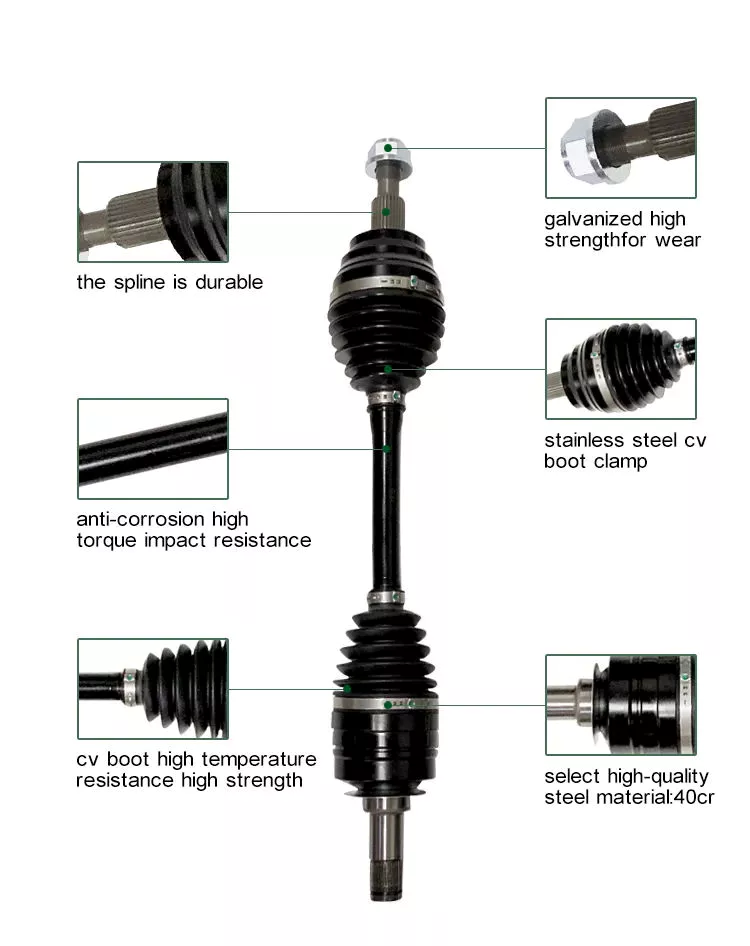
Can you explain the components of a typical driveline and their specific roles?
A typical driveline consists of several components that work together to transmit power from the engine or power source to the driven components, enabling motion and providing torque. Each component plays a specific role in the driveline system. Here’s an explanation of the key components of a typical driveline and their specific roles:
1. Engine: The engine is the power source of the driveline system. It converts fuel energy (such as gasoline or diesel) into mechanical power by the process of combustion. The engine generates rotational power, which is transferred to the driveline to initiate power transmission.
2. Transmission: The transmission is responsible for selecting the appropriate gear ratio and transmitting power from the engine to the driven components. It allows the driver or operator to control the speed and torque output of the driveline. In manual transmissions, the driver manually selects the gears, while in automatic transmissions, the gear shifts are controlled by the vehicle’s computer system.
3. Drive Shaft: The drive shaft, also known as a propeller shaft or prop shaft, is a tubular component that transmits rotational power from the transmission to the differential or the driven components. It typically consists of a hollow metal tube with universal joints at both ends to accommodate variations in driveline angles and allow for smooth power transfer.
4. Differential: The differential is a gearbox-like component that distributes power from the drive shaft to the wheels or driven axles while allowing them to rotate at different speeds, particularly during turns. It compensates for the difference in rotational speed between the inner and outer wheels in a turn, ensuring smooth and controlled operation of the driveline system.
5. Axles: Axles are shafts that connect the differential to the wheels. They transmit power from the differential to the wheels, allowing them to rotate and generate motion. In vehicles with independent suspension, each wheel typically has its own axle, while in solid axle configurations, a single axle connects both wheels on an axle assembly.
6. Clutch: In manual transmission systems, a clutch is employed to engage or disengage the engine’s power from the driveline. It allows the driver to smoothly engage the engine’s power to the transmission when shifting gears or coming to a stop. By disengaging the clutch, power transmission to the driveline is temporarily interrupted, enabling gear changes or vehicle stationary positions.
7. Torque Converter: Torque converters are used in automatic transmissions to transfer power from the engine to the transmission. They provide a fluid coupling between the engine and transmission, allowing for smooth power transmission and torque multiplication. The torque converter also provides a torque amplification effect, which helps in vehicle acceleration.
8. Universal Joints: Universal joints, also known as U-joints, are flexible couplings used in the driveline to accommodate variations in angles and misalignments between the components. They allow for the smooth transmission of power between the drive shaft and other components, compensating for changes in driveline angles during vehicle operation or suspension movement.
9. Constant Velocity Joints (CV Joints): CV joints are specialized joints used in some drivelines, particularly in front-wheel-drive and all-wheel-drive vehicles. They enable smooth power transmission while accommodating variations in angles and allowing the wheels to turn at different speeds. CV joints maintain a constant velocity during rotation, minimizing vibrations and power losses.
10. Transfer Case: A transfer case is a component found in four-wheel-drive and all-wheel-drive systems. It transfers power from the transmission to both the front and rear axles, allowing all wheels to receive power. The transfer case usually includes additional components such as a multi-speed gearbox and differential mechanisms to distribute power effectively to the axles.
These are the key components of a typical driveline and their specific roles. Each component is crucial in transferring power, enabling motion, and ensuring the smooth and efficient operation of vehicles and equipment.


editor by CX 2023-12-18