Өнім сипаттамасы
Specification OF PTO Drive Shaft —Speedway:
We developed and produced many tractor spare parts for Japanese Tractors .
Product Name: Japanese tractor transmission clutch disc parts for B1400 B7000
Tractor Model we can supply: B1500/1400,B5000,B6000, B7000, TU1400, TX1400, TX1500, YM F1401, YM1400 ETC.
The parts for example: Tyres, rim Jante, Kit coupling KB-TX 3 point linkage. Exhaust pipe Steering wheel. Kit coupling YM F14/F15, gear shaft, PTO shaft, PTO cardan, key, regulator ect.
Most of the spare parts are with stock. If you are interested in, please feel easy to contact me.
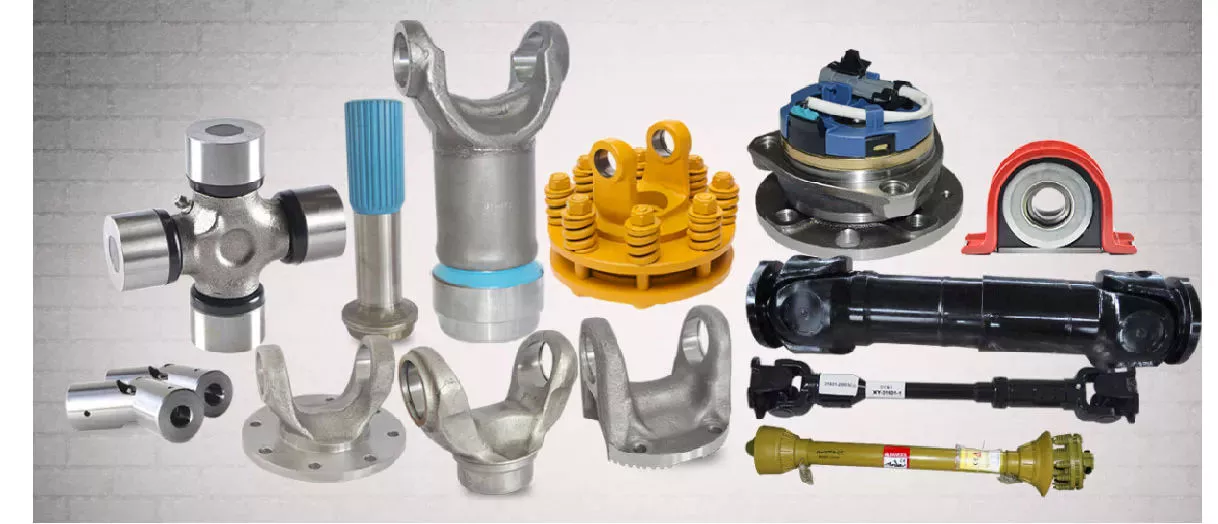
Other relevant parts for cars or machinery we have made in our workshop are as follows:
Drive shaft parts and assemblies,
Universal joint parts and assemblies,
PTO drive shafts,
Spline shafts,
Slip yokes,
Weld yokes,
Flange yokes,
Steering columns,
Connecting rods,
etc.
Өнім сипаттамасы
Pto Drive Shaft Item:
| Item | Cross journal size | 540dak-rpm | 1000dak-rpm | |||
| Series 1 | 22mm | 54mm | 12KW | 16HP | 18KW | 25HP |
| Series 2 | 23.8mm | 61.3mm | 15KW | 21HP | 23KW | 31HP |
| Series 3 | 27mm | 70mm | 26KW | 35HP | 40KW | 55HP |
| Series 4 | 27mm | 74.6mm | 26KW | 35HP | 40KW | 55HP |
| Series 5 | 30.2mm | 80mm | 35KW | 47HP | 54KW | 74HP |
| Series 6 | 30.2mm | 92mm | 47KW | 64HP | 74KW | 100HP |
| Series 7 | 30.2mm | 106.5mm | 55KW | 75HP | 87KW | 18HP |
| Series 8 | 35mm | 106.5mm
|
70KW | 95HP | 110KW | 150HP |
| Series 38 | 38mm | 102mm | 70KW | 95HP | 110KW | 150HP |
Компания профилі
Сертификаттар
Жиі қойылатын сұрақтар
/* March 10, 2571 17:59:20 */!function(){function s(e,r){var a,o={};try{e&&e.split(“,”).forEach(function(e,t){e&&(a=e.match(/(.*?):(.*)$/))&&1
| Type: | Shaft |
|---|---|
| Usage: | Agricultural Products Processing, Farmland Infrastructure, Harvester, Planting and Fertilization, Grain Threshing, Cleaning and Drying |
| Материал: | Stainless Steel |
| Power Source: | Pto Dirven Shaft |
| Weight: | Standard |
| After-sales Service: | 1 Year |
| Үлгілер: |
US$ 300/Piece
1 дана (ең аз тапсырыс) | |
|---|
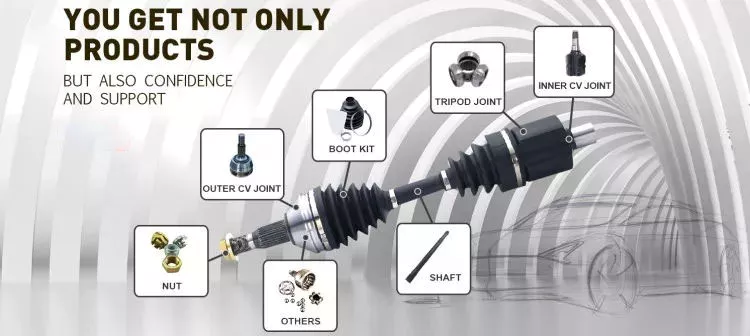
What factors should be considered when selecting the appropriate PTO driveline for an application?
When selecting the appropriate PTO (Power Take-Off) driveline for an application, several factors need to be considered to ensure optimal performance, efficiency, and safety. Here are some key factors to take into account:
1. Power Requirements:
– Determine the power requirements of the driven equipment. Consider the horsepower (HP) or kilowatt (kW) rating necessary to operate the equipment effectively. The PTO driveline should be capable of transmitting the required power without overloading or damaging the driveline components.
2. Speed and RPM:
– Identify the desired operating speed and RPM (Rotations Per Minute) of the driven equipment. The PTO driveline should be compatible with the required speed range to ensure efficient power transmission. Consider the maximum and minimum RPM ratings of the driveline and select one that matches the specific speed requirements of the application.
3. Torque Requirements:
– Determine the torque requirements of the driven equipment. Torque is the rotational force required to perform the intended task. Consider both the maximum and average torque demands during operation. Ensure that the selected PTO driveline can handle the torque levels without exceeding its maximum torque capacity or causing premature wear or failure.
4. Application Type:
– Consider the specific application and the type of equipment involved. Different applications may require different PTO driveline designs and features. For example, agricultural equipment such as mowers, balers, or tillers may benefit from a constant velocity (CV) PTO driveline to accommodate varying angles and speeds, while stationary equipment like generators or water pumps may use a non-constant velocity (non-CV) PTO driveline.
5. Safety Considerations:
– Evaluate the safety requirements of the application. Certain applications may require additional safety features such as shear bolts or slip clutches to protect against excessive loads, sudden obstructions, or torque spikes. Ensure that the selected PTO driveline incorporates the necessary safety mechanisms to prevent damage to the driveline and equipment, as well as to ensure the safety of operators and bystanders.
6. Durability and Maintenance:
– Consider the durability and maintenance requirements of the PTO driveline. Evaluate the quality and reliability of the driveline components, such as bearings, joints, and couplings. Choose a driveline that is built to withstand the demands of the application and requires minimal maintenance to ensure long-term performance and reduce downtime.
7. Compatibility:
– Ensure compatibility between the PTO driveline and the power source (e.g., tractor, engine). Consider the PTO driveline’s connection type, size (e.g., spline count, shaft diameter), and mounting configuration to ensure a proper fit and connection with the power source.
8. Environmental Conditions:
– Take into account the environmental conditions in which the PTO driveline will operate. Factors such as temperature extremes, exposure to moisture, dust, or chemicals can impact the driveline’s performance and longevity. Choose a driveline that is designed to withstand the specific environmental conditions of the application.
9. Manufacturer and Quality:
– Consider the reputation and reliability of the PTO driveline manufacturer. Opt for reputable manufacturers known for producing high-quality and durable driveline systems. Research customer reviews and seek recommendations from industry experts to ensure you choose a reliable and reputable brand.
By carefully considering these factors, you can select the most appropriate PTO driveline for your specific application. It is recommended to consult with manufacturers, industry experts, or equipment dealers to get further guidance and ensure the right driveline selection for your needs.

PTO жетектерімен жұмыс істеген кезде операторлар қандай қауіпсіздік шараларын сақтауы керек?
PTO (Power Take-Off) жетек желілерімен жұмыс істеу айналмалы компоненттермен және жоғары деңгейдегі айналу моментімен байланысты ықтимал қауіптерге байланысты қауіпсіздікке мұқият назар аударуды талап етеді. Операторлар апаттар мен жарақаттар қаупін азайту үшін арнайы қауіпсіздік шараларын сақтауы керек. Операторлар PTO жетек желілерімен жұмыс істеген кезде сақтауы керек негізгі қауіпсіздік шаралары:
1. Өндірушінің нұсқауларын оқып, орындаңыз:
– Операторлар өздері пайдаланатын нақты PTO жетек жүйесі мен жабдықтарына арналған өндірушінің нұсқаулары мен қауіпсіздік нұсқауларын мұқият оқып, түсінуі керек. Бұл нұсқаулар әдетте жабдыққа қатысты дұрыс орнатуды, пайдалануды, техникалық қызмет көрсетуді және қауіпсіздік шараларын қамтиды. Өндірушінің нұсқауларын орындау жабдықтың дұрыс пайдаланылуын қамтамасыз етеді және апат қаупін азайтады.
2. Тиісті жеке қорғаныс құралдарын (ЖҚҚ) киіңіз:
– Операторлар PTO жетек желілерімен жұмыс істеген кезде әрқашан тиісті жеке қорғаныс құралдарын (ЖҚҚ) киюі керек. Бұған қауіпсіздік көзілдірігі, қорғаныш қолғаптары, берік аяқ киім және денені жабатын киім сияқты заттар кіреді. ЖҚҚ ұшатын қоқыстардан, айналмалы компоненттермен кездейсоқ жанасудан және басқа да ықтимал қауіптерден қорғауға көмектеседі.
3. Тиісті қорғаныс пен қалқанды қамтамасыз етіңіз:
– Қуат беріліс қораптары айналмалы немесе қозғалмалы бөлшектермен кездейсоқ жанасуды болдырмау үшін тиісті қорғаныс және қалқанмен жабдықталуы керек. Операторлар жабдықты пайдаланбас бұрын барлық қорғаныс пен қалқандардың орнында екеніне және дұрыс бекітілгеніне көз жеткізуі керек. Қорғаныстар мен қалқандар қоқысты ұстап тұруға, шатасып қалу қаупін азайтуға және қозғалтқыш қорабының компоненттерімен кездейсоқ жанасудан қорғауға көмектеседі.
4. Кең киімдер мен зергерлік бұйымдардан аулақ болыңыз:
– Операторлар кең киім, зергерлік бұйымдар немесе қозғалтқыш бөлшектеріне ілініп қалуы мүмкін басқа заттарды киюден аулақ болуы керек. Кең киім немесе зергерлік бұйымдар айналмалы бөлшектерге тартылып, шатасып қалуы немесе ауыр жарақат алуы мүмкін. Жабдықты пайдаланбас бұрын, кең киім киіп, салбырап тұрған керек-жарақтарды шешу маңызды.
5. PTO-ны тек қажет болған жағдайда ғана қосыңыз:
– Операторлар қуатты басқару жүйесін тек қажет болған жағдайда ғана қосуы және жабдық пайдаланылмаған кезде ажыратуы керек. Қызметкерлер жүріс жолына жақын жерде қуатты басқару жүйесін қосу кездейсоқ тию және жарақат алу қаупін арттырады. Қуды басқару жүйесін тек жабдық дұрыс орнатылғанда және барлық қызметкерлер қауіпсіз қашықтықта болғанда ғана қосу керек.
6. Айналаңыздағыларға назар аударыңыз:
– Операторлар әрқашан айналасындағыларға назар аударуы және жабдықты іске қоспас немесе пайдаланбас бұрын ешкімнің қозғалыс жолына жақын болмауын қамтамасыз етуі керек. Кездейсоқ тиіп кету мен жарақат алуды болдырмау үшін қозғалыс жолынан қауіпсіз қашықтықты сақтау және айналадағы адамдарды алыс ұстау өте маңызды.
7. Қызмет көрсету алдында жабдықты өшіріңіз:
– Жабдыққа немесе қуат беру жүйесіне техникалық қызмет көрсету немесе қызмет көрсету жұмыстарын орындамас бұрын, операторлар жабдықты өшіріп, қуат көзін өшіруі керек. Бұл жетек жүйесінің компоненттерінің қозғалыста болмауын қамтамасыз етеді және кездейсоқ іске қосылу немесе қозғалатын бөлшектермен жанасу қаупін азайтады.
8. Тұрақты техникалық қызмет көрсету және тексеру:
– Операторлар PTO жетек жүйесі мен онымен байланысты жабдықтарға тұрақты техникалық қызмет көрсету және тексеру кестесін сақтауы керек. Бұған тозу, зақымдану немесе босаңсыған қосылым белгілерін тексеру кіреді. Үнемі техникалық қызмет көрсету ықтимал мәселелерді олар қауіпсіздік қаупіне айналмас бұрын анықтауға көмектеседі және жетек жүйесінің дұрыс жұмыс істеуін қамтамасыз етеді.
9. Тиісті дайындықтан өтіңіз:
– Операторлар жабдықты қауіпсіз пайдалану және PTO қозғалтқышы бойынша тиісті дайындықтан өтуі керек. Оқыту жабдықты орнату, қауіпсіз пайдалану процедуралары, апаттық өшіру процедуралары және ықтимал қауіптерді тану сияқты тақырыптарды қамтуы керек. Жақсы дайындалған операторлар жабдықты қауіпсіз пайдалануы және төтенше жағдайлар кезінде тиісті түрде әрекет етуі ықтимал.
10. Құлыптау/белгілеу процедураларын орындаңыз:
– Қозғалтқыш бөлшегінің құрамдас бөліктеріне қол жеткізуді қажет ететін техникалық қызмет көрсету немесе жөндеу жұмыстарын орындаған кезде, операторлар құлыптау/белгілеу процедураларын орындауы керек. Бұған қуат көзін оқшаулау, кездейсоқ іске қосылудың алдын алу үшін құлыптар мен белгілерді орнату және кез келген жұмысты бастамас бұрын жабдықтың қуаттан ажыратылғанын тексеру кіреді. Құлыптау/белгілеу процедуралары күтпеген қуаттың берілуін болдырмау және персоналды қауіпті энергиядан қорғау үшін өте маңызды.
Осы қауіпсіздік шараларын сақтау арқылы операторлар PTO жетек желілерімен жұмыс істеген кезде апаттар мен жарақаттар қаупін азайта алады. Қауіпсіздік әрқашан басымдыққа ие болуы керек, ал операторлар қауіпсіз жұмыс ортасын қамтамасыз ету үшін сақ болуы, тиісті процедураларды сақтауы және ақыл-ойды пайдалануы керек.
How do PTO drivelines handle variations in speed, torque, and angles during operation?
PTO (Power Take-Off) drivelines are designed to handle variations in speed, torque, and angles during operation, ensuring efficient power transmission between the power source (such as a tractor engine) and the driven equipment. Here’s how PTO drivelines handle these variations:
Variations in Speed:
PTO drivelines accommodate variations in speed through the use of different mechanisms, depending on the type of driveline. Here are two common methods:
1. Constant Velocity (CV) Joints: CV joints are commonly used in CV PTO drivelines to maintain a constant speed and smooth power transmission, even when the driven equipment operates at varying angles or speeds. CV joints allow the driveline to transmit power without a significant increase in vibration or power loss. These joints consist of specially designed bearings and races that allow for a constant angular velocity, regardless of the operating angle of the driveline. This ensures that the driven equipment receives a consistent and uniform power supply, even as the speed varies.
2. Variable Pulleys or Clutches: In some non-CV PTO drivelines or applications, variable pulleys or clutches can be used to adjust the speed ratio between the power source and the driven equipment. By changing the position of the pulleys or adjusting the clutch engagement, the effective diameter of the pulleys or the contact area of the clutch can be altered, allowing for speed adjustments. This enables operators to match the speed of the driven equipment to the desired operational requirements, accommodating variations in speed during operation.
Variations in Torque:
PTO drivelines are designed to handle variations in torque, ensuring efficient power transmission even when the torque requirements change. Here are two common methods used to handle torque variations:
1. Slip Clutches: Slip clutches are commonly used in PTO drivelines to protect the driveline and driven equipment from excessive torque or sudden shock loads. These clutches incorporate a mechanism that allows the driveline to slip or disengage momentarily when the torque exceeds a certain threshold. This slipping action protects against damage by relieving the excess torque and allows the equipment to continue operating once the resistance is removed. Slip clutches provide a safety measure to prevent driveline and equipment damage due to sudden changes in torque.
2. Shear Bolts: Shear bolts are another method used to handle torque variations in PTO drivelines. These bolts are designed to break and disconnect the power transmission when the torque exceeds a certain threshold. By breaking the shear bolts, the driveline and equipment are protected from excessive torque, preventing damage. Shear bolts are commonly used in applications where sudden obstructions or excessive loads can occur, such as in rotary cutters or flail mowers.
Variations in Angles:
PTO drivelines are engineered to accommodate variations in operating angles. Here’s how they handle angle variations:
1. Flexible Design: PTO drivelines are often designed with flexibility in mind, allowing for slight misalignments and variations in operating angles. Flexible couplings or telescopic sections within the driveline can help compensate for angular misalignments, ensuring smooth power transmission even when the driven equipment operates at an angle. These flexible components can absorb and accommodate the movement and misalignment between the power source and the driven equipment, reducing stress and potential damage to the driveline.
2. Articulating Joints: Some PTO drivelines incorporate articulating joints, such as universal joints or CV joints, to handle variations in operating angles. These joints allow for movement and flexibility, accommodating changes in angle without compromising power transmission. Universal joints can handle up to 30 degrees of angular misalignment, while CV joints can handle even greater angles, providing a smooth and continuous power transfer across a range of operating angles.
By incorporating these design features and mechanisms, PTO drivelines effectively handle variations in speed, torque, and angles during operation. This ensures reliable and efficient power transmission between the power source and the driven equipment, allowing for optimal performance and productivity in a wide range of agricultural and industrial applications.


editor by CX 2024-02-18