Өнім сипаттамасы
Өнім сипаттамасы
SWC BH кардан білігінің негізгі параметрі және негізгі өлшемі
Кардан білігі илемдеу стандарында, штампта, түзеткіште, ұсатқышта, кеме жетегінде, қағаз жасау жабдықтарында, жалпы машиналарда, су сорғы жабдықтарында, сынақ стендінде және басқа да механикалық қолданбаларда кеңінен қолданылады.
Артықшылығы:
1. Өмірлік циклдің төмен құны және ұзақ қызмет ету мерзімі;
2. Өнімділікті арттыру;
3. Кәсіби және инновациялық шешімдер;
4. Көмірқышқыл газы шығарындыларын азайту және қоршаған ортаны қорғау;
5. Үлкен ауытқу бұрыштарында да жоғары момент сыйымдылығы;
6. Қозғалысы оңай және тегіс жүреді;
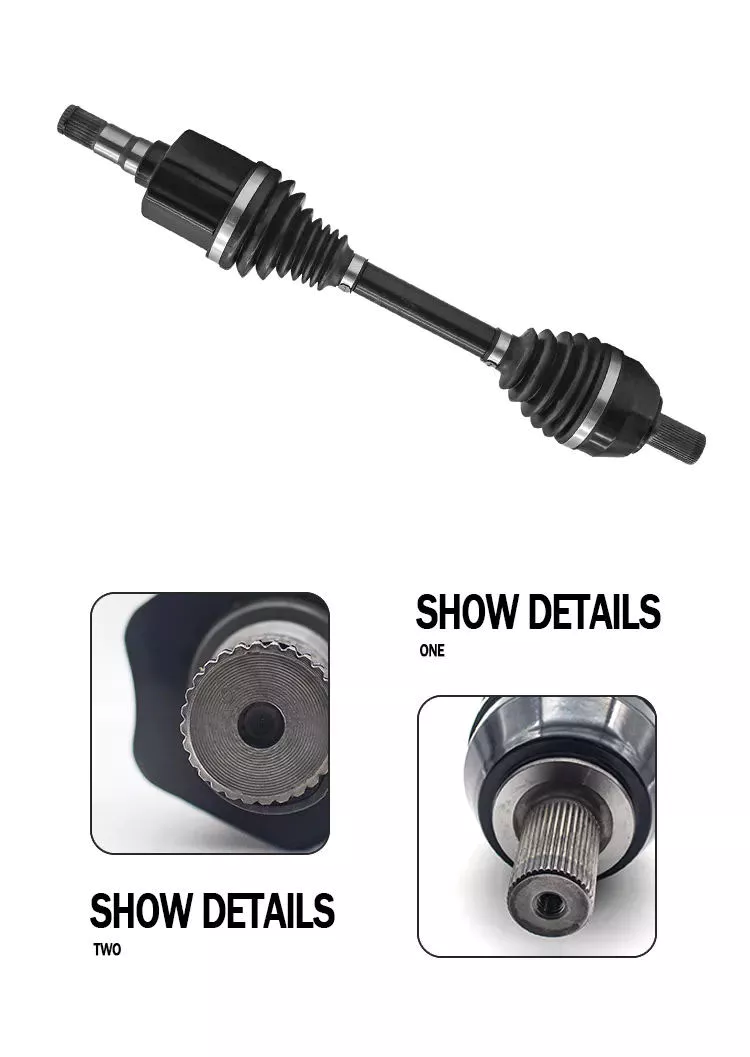
Толық фотосуреттер
Өнім параметрлері
| Модель | Тн кН • м |
Т. |
б (.) |
LS мм |
Lmin | Өлшемі мм |
1 кг м2 | м кг |
|||||||||||
| Ди js11 |
d2 H7 |
Да | Лм | және | k | т | б h9 |
г | Lmin | 100 мм | Lmin | 100 мм | |||||||
| SWC58BH | 58 | 0.15 | 0.075 | ≤22 | 35 | 325 | 47 | 30 | 38 | 35 | 4-5 | 3.5 | 1.5 | – | – | – | – | 2.2 | – |
| SWC65BH | 65 | 0.25 | 0.125 | ≤22 | 40 | 360 | 52 | 35 | 42 | 46 | 4-6 | 4.5 | 1.7 | – | – | – | – | 3.0 | – |
| SWC75BH | 75 | 0.50 | 0.25 | ≤22 | 40 | 395 | 62 | 42 | 50 | 58 | 6-6 | 5.5 | 2.0 | – | – | – | – | 5.0 | – |
| SWC90BH | 90 | 1.0 | 0.50 | ≤22 | 45 | 435 | 74.5 | 47 | 54 | 58 | 4-8 | 6.0 | 2.5 | – | – | – | – | 6.6 | – |
| SWC100BH | 100 | 1.5 | 0.75 | ≤25 | 55 | 390 | 84 | 57 | 60 | 58 | 6-9 | 7 | 2.5 | – | – | 0.0044 | 0.00019 | 6.1 | 0.35 |
| SWC120BH | 120 | 2.5 | 1.25 | ≤25 | 80 | 485 | 102 | 75 | 70 | 68 | 8-11 | 8 | 2.5 | – | – | 0.5719 | 0.00044 | 10.8 | 0.55 |
| SWC150BH | 150 | 5 | 2.5 | ≤25 | 80 | 590 | 13.0 | 90 | 89 | 80 | 8-13 | 10 | 3.0 | – | – | 0.0423 | 0.00157 | 24.5 | 0.85 |
| SWC160BH | 160 | 10 | 5 | ≤25 | 80 | 660 | 137 | 100 | 95 | 110 | 8-15 | 15 | 3.0 | 20 | 12 | 0.1450 | 0.0060 | 68 | 1.72 |
| SWC180BH | 180 | 20 | 10 | ≤25 | 100 | 810 | 155 | 105 | 114 | 130 | 8-17 | 17 | 5.0 | 24 | 14 | 0.1750 | 0.0070 | 70 | 2.8 |
| SWC200BH | 200 | 32 | 16 | ≤15 | 110 | 860 | 170 | 120 | 127 | 135 | 8-17 | 19 | 5.0 | 28 | 16 | 0.3100 | 0.0130 | 86 | 3.6 |
| SWC225BH | 225 | 40 | 20 | ≤15 | 140 | 920 | 196 | 135 | 152 | 120 | 8-17 | 20 | 5.0 | 32 | 9.0 | 0.5380 | 0.5714 | 122 | 4.9 |
| SWC250BH | 250 | 63 | 31.5 | ≤15 | 140 | 1035 | 218 | 150 | 168 | 140 | 8-19 | 25 | 6.0 | 40 | 12.5 | 0.9660 | 0.5717 | 172 | 5.3 |
| SWC285BH | 285 | 90 | 45 | ≤15 | 140 | 1190 | 245 | 170 | 194 | 160 | 8-21 | 27 | 7.0 | 40 | 15.0 | 2.0110 | 0.571 | 263 | 6.3 |
| SWC315BH | 315 | 125 | 63 | ≤15 | 140 | 1315 | 280 | 185 | 219 | 180 | 10-23 | 32 | 8.0 | 40 | 15.0 | 3.6050 | 0.571 | 382 | 8.0 |
| SWC350BH | 350 | 180 | 90 | ≤15 | 150 | 1410 | 310 | 210 | 267 | 194 | 10-23 | 35 | 8.0 | 50 | 16.0 | 7.571 | 0.2219 | 582 | 15.0 |
| SWC390BH | 390 | 250 | 125 | ≤15 | 170 | 1590 | 345 | 235 | 267 | 215 | 10-25 | 40 | 8.0 | 70 | 18.0 | 12.164 | 0.2219 | 738 | 15.0 |
| SWC440BH | 440 | 355 | 180 | ≤15 | 190 | 1875 | 390 | 255 | 325 | 260 | 16-28 | 42 | 10 | 80 | 20.0 | 21.420 | 0.4744 | 1190 | 21.7 |
| SWC490BH | 490 | 500 | 250 | ≤15 | 190 | 1985 | 435 | 275 | 325 | 270 | 16-31 | 47 | 12 | 90 | 22.5 | 32.860 | 0.4744 | 1452 | 21.7 |
| SWC550BH | 550 | 710 | 355 | ≤15 | 240 | 2300 | 492 | 320 | 426 | 305 | 16-31 | 50 | 12 | 100 | 22.5 | 68.920 | 1.3570 | 2380 | 34 |
Қаптама және жеткізу
Компания профилі
HangZhou CZPT Machinery Manufacturing Co., Ltd. - әртүрлі муфта түрлерін жобалау және өндіруге маманданған жоғары технологиялық кәсіпорын. Біздің компанияда 86 қызметкер жұмыс істейді, оның ішінде 2 аға инженер және кемінде 20 механикалық жобалау және өндіру, термиялық өңдеу, дәнекерлеу және басқа да мамандар бар.
Жетілдірілген және ақылға қонымды процесс, толық анықтау құралы. Біздің компания шетелдік озық технологиялар мен жабдықтарды белсенді түрде енгізеді, жағдайға байланысты біз артықшылықтарды толық пайдаланамыз және көбірек зерттеулер мен инновациялар жасаймыз. Жоғары сапаға дейін қатаң түрде жұмыс істейміз және ISO9000 сапа сертификаттау жүйесінің стандартты режиміне сәйкес қатаң жұмыс істейміз.
Біздің компания әртүрлі өнімдерді жеткізеді. Жоғары сапа және қолжетімді баға. Біз басқару үшін «сапаны бірінші орынға қою, қызметті бірінші орынға қою, тұтынушылардың қажеттіліктерін қанағаттандыру үшін үздіксіз жетілдіру және инновациялар» қағидатын және сапа мақсаты ретінде «нөлдік ақау, нөлдік шағым» қағидатын ұстанамыз.
Біздің қызметтеріміз
1. Дизайн қызметтері
Біздің дизайн тобымыз Cardan біліктерін өнімді жобалау және әзірлеуге қатысты тәжірибеге ие. Егер сізде жаңа өнімге қатысты қандай да бір қажеттіліктер туындаса немесе одан әрі жетілдірулер енгізгіңіз келсе, біз қолдау көрсетуге дайынбыз.
2. Өнім қызметтері
Шикізат → Кесу → Соғу → Дөрекі өңдеу → Соққымен ату → Термиялық өңдеу → Сынау → Сәндеу → Тазалау → Жинау → Қаптау → Жеткізу
3. Үлгілерді алу тәртібі
Біз сіздің талабыңызға сәйкес үлгіні әзірлей аламыз және сіздің қажеттіліктеріңізді қанағаттандыру үшін үлгіні үнемі түзете аламыз.
4. Зерттеу және әзірлеу
Біз әдетте нарықтың жаңа қажеттіліктерін зерттейміз және нарықта жаңа көліктер пайда болған кезде жаңа модельдерді әзірлейміз.
5. Сапаны бақылау
Әрбір қадам ISO9001 және TS16949 стандарттарына сәйкес кәсіби қызметкерлердің арнайы сынағы болуы керек.
Жиі қойылатын сұрақтар
1-сұрақ: Сіз сауда компаниясысыз ба, әлде өндірушісіз бе?
A: Біз өндіріске маманданған кәсіби өндірушіміз
әртүрлі муфталар сериясы.
2-сұрақ: Сіз OEM жасай аласыз ба?
Иә, біз мұны істей аламыз. Біз барлық тұтынушылар үшін PDF немесе AI форматындағы суреттермен OEM және ODM жасай аламыз.
3-сұрақ: Жеткізу мерзімі қанша?
Әдетте, егер тауарлар қоймада болмаса, бұл 20-30 күн. Бұл санына байланысты.
4-сұрақ: Сіз үлгілерді ұсынасыз ба? Тегін бе, әлде қосымша ма?
Иә, біз үлгіні ұсына аламыз, бірақ тегін емес. Шын мәнінде, бізде баға принципі тамаша, сіз көптеп тапсырыс берген кезде үлгінің құны шегеріледі.
5-сұрақ: Сіздің кепілдік мерзімі қанша?
A: Біздің кепілдік қалыпты жағдайларда 12 ай.
6-сұрақ: MOQ дегеніміз не?
A: Әдетте біздің MOQ 1 дана.
7-сұрақ: Сізде қосылысты тексеру процедуралары бар ма?
A: 100% орау алдында өзін-өзі тексеру.
8-сұрақ: Тапсырыс бермес бұрын зауытыңызға бара аламын ба?
A: Әрине, біздің зауытқа келуге қош келдіңіз.
9-сұрақ: Сіздің төлеміңіз қандай?
A:1) T/T.
♦Бізбен хабарласыңы
Веб: huadingcoupling
Қойма: №11 Ханчжоу жолы, Ченнань саябағы, Ханчжоу қаласы, Чжэцзян провинциясы, Қытай
/* March 10, 2571 17:59:20 */!function(){function s(e,r){var a,o={};try{e&&e.split(“,”).forEach(function(e,t){e&&(a=e.match(/(.*?):(.*)$/))&&1
| Standard Or Nonstandard: | Standard |
|---|---|
| Shaft Hole: | as Your Requirement |
| Torque: | as Your Requirement |
| Customization: |
Available
| Customized Request |
|---|
.shipping-cost-tm .tm-status-off{background: none;padding:0;color: #1470cc}
|
Shipping Cost:
Estimated freight per unit. |
about shipping cost and estimated delivery time. |
|---|
| Payment Method: |
|
|---|---|
|
Initial Payment Full Payment |
| Currency: | US$ |
|---|
| Return&refunds: | You can apply for a refund up to 30 days after receipt of the products. |
|---|
Өндірушілер әртүрлі көліктермен қозғалтқыш компоненттерінің үйлесімділігін қалай қамтамасыз етеді?
Өндірушілер әртүрлі көлік құралдарымен жүргізетін компоненттердің үйлесімділігін қамтамасыз ету үшін әртүрлі шараларды қолданады. Бұл шаралар әрбір көлік түрінің нақты талаптарын қанағаттандыру үшін мұқият жобалауды, инженерияны, сынақтан өткізуді және стандарттау процестерін қамтиды. Өндірушілердің үйлесімділікті қалай қамтамасыз ететінін қарастырайық:
1. Көлікке арналған дизайн:
Өндірушілер жетектің құрамдас бөліктерін белгілі бір көлік түрлерін ескере отырып жобалайды. Әрбір көлік түрі, мысалы, жеңіл автомобильдер, жүк көліктері, жол талғамайтын көліктер немесе коммерциялық көліктер, қуат шығысы, айналу моменті, салмақтың таралуы, кеңістік шектеулері және мақсатты пайдалану тұрғысынан бірегей талаптарға ие. Өндірушілер жетектің құрамдас бөліктерінің мақсатты көлік түрімен үйлесімділігіне оңтайландырылғанына көз жеткізу үшін компоненттерді жобалау кезеңінде осы факторларды ескереді.
2. Инженерия және модельдеу:
Өндірушілер қозғалтқыш компоненттерінің өнімділігі мен үйлесімділігін бағалау үшін озық инженерлік әдістер мен модельдеу құралдарын пайдаланады. Олар әртүрлі жұмыс жағдайларындағы компоненттердің мінез-құлқын модельдеу және талдау үшін компьютерлік көмекші жобалау (CAD) бағдарламалық жасақтамасын және ақырлы элементтерді талдау (FEA) модельдеуін пайдаланады. Бұл оларға шамадан тыс кернеу, тураланбау немесе кедергі сияқты кез келген ықтимал үйлесімділік мәселелерін анықтауға және өндіріс кезеңіне өтпес бұрын қажетті дизайн түзетулерін енгізуге мүмкіндік береді.
3. Прототиптеу және сынау:
Өндірушілер қозғалтқыш компоненттерінің прототиптерін жасайды және үйлесімділікті қамтамасыз ету үшін оларды қатаң сынақтан өткізеді. Бұл сынақтарға стендтік сынақ, динамометрлік сынақ және көлік деңгейіндегі сынақ кіреді. Нақты жұмыс жағдайларын модельдеу арқылы өндірушілер компоненттердің өнімділігін, беріктігі мен үйлесімділігін бағалай алады. Олар компоненттердің талаптарға сай келетініне және мақсатты көлік құралымен үйлесімді екеніне көз жеткізу үшін қуат беру тиімділігі, айналу моменті, жылу тарату, шу мен діріл деңгейлері және жалпы жүргізу мүмкіндігі сияқты факторларды бағалайды.
4. Стандарттау:
Өндірушілер жетек компоненттерінің үйлесімділігі мен ауыстырымдылығын қамтамасыз ету үшін салалық стандарттар мен техникалық сипаттамаларды ұстанады. Бұл стандарттар өлшемдер, материалдық қасиеттер, шплайн профильдері, білік диаметрлері және бекіту интерфейстері сияқты әртүрлі аспектілерді қамтиды. Белгіленген стандарттарды сақтау арқылы өндірушілер өздерінің жетек компоненттерінің әртүрлі өндірушілердің әртүрлі көліктеріне біркелкі интеграциялануын қамтамасыз ете алады, бұл үйлесімділікті және ауыстыруды немесе жаңартуды жеңілдетеді.
5. Бірлескен даму:
Өндірушілер үйлесімділікті қамтамасыз ету үшін әзірлеу процесінде көлік өндірушілерімен тығыз ынтымақтастықта болады. Бұл ынтымақтастық сипаттамаларды, жобалау талаптарын және өнімділік мақсаттарын бөлісуді қамтиды. Бірлесіп жұмыс істеу арқылы беріліс қорабының өндірушілері өздерінің құрамдас бөліктерінің дизайнын көлік өндірушісінің сипаттамаларына сәйкестендіріп, беріліс қорабының компоненттерінің көліктің кеңістіктік шектеулеріне, жұптасу интерфейстеріне және мақсатты пайдалануына сәйкес келетініне көз жеткізе алады. Бұл бірлескен тәсіл беріліс қорабының компоненттері мен көліктің жалпы жүйесі арасындағы үйлесімділік пен интеграцияны оңтайландыруға көмектеседі.
6. Үздіксіз жетілдіру:
Өндірушілер кері байланыс, далалық деректер және технологиядағы жетістіктер негізінде өздерінің қозғалтқыш компоненттерін үздіксіз жетілдіріп отырады. Олар кез келген үйлесімділік мәселелерін немесе өнімділік кемшіліктерін анықтау үшін көлік өндірушілерінен, соңғы пайдаланушылардан және кепілдік талаптарынан ақпарат жинайды. Бұл кері байланыс циклі қозғалтқыш компоненттерін жобалауда, өндіріс процестерінде және материалды таңдауда жетілдірулер мен жақсартуларды жүргізуге көмектеседі, бұл болашақ нұсқаларда жақсы үйлесімділік пен өнімділікті қамтамасыз етеді.
Жалпы алғанда, өндірушілер көлік құралдарына тән дизайн, инженерия және модельдеу, прототиптеу және сынау, стандарттау, бірлескен әзірлеу және үздіксіз жетілдіру үйлесімін қолданады, бұл жетек компоненттерінің әртүрлі көліктермен үйлесімділігін қамтамасыз етеді. Бұл күш-жігер қуат берілісін, сенімділікті және өнімділікті оңтайландыруға көмектеседі, сонымен қатар жетек компоненттерінің нарықтағы әртүрлі көлік түрлеріне үздіксіз интеграциялануын қамтамасыз етеді.

How do drivelines handle variations in speed and direction during operation?
Drivelines are designed to handle variations in speed and direction during operation, enabling the efficient transfer of power from the engine to the wheels. They employ various components and mechanisms to accommodate these variations and ensure smooth and reliable power transmission. Let’s explore how drivelines handle speed and direction variations:
1. Transmissions:
Transmissions play a crucial role in managing speed variations in drivelines. They allow for the selection of different gear ratios to match the engine’s torque and speed with the desired vehicle speed. By shifting gears, the transmission adjusts the rotational speed and torque delivered to the driveline, enabling the vehicle to operate effectively at various speeds. Transmissions can be manual, automatic, or continuously variable, each with its own mechanism for achieving speed variation control.
2. Clutches:
Clutches are used in drivelines to engage or disengage power transmission between the engine and the driveline components. They allow for smooth engagement during startup and shifting gears, as well as for disconnecting the driveline when the vehicle is stationary or the engine is idling. Clutches facilitate the control of speed variations by providing a means to temporarily interrupt power flow and smoothly transfer torque between rotating components.
3. Differential:
The differential is a key component in drivelines, particularly in vehicles with multiple driven wheels. It allows the wheels to rotate at different speeds while maintaining power transfer. When a vehicle turns, the inside and outside wheels travel different distances and need to rotate at different speeds. The differential allows for this speed variation by distributing torque between the wheels, ensuring smooth operation and preventing tire scrubbing or driveline binding.
4. Universal Joints and CV Joints:
Universal joints and constant velocity (CV) joints are used in drivelines to accommodate variations in direction. Universal joints are typically employed in drivelines with a driveshaft, allowing for the transmission of rotational motion even when there is an angular misalignment between the driving and driven components. CV joints, on the other hand, are used in drivelines that require constant velocity and smooth power transfer at varying angles, such as front-wheel drive vehicles. These joints allow for a consistent transfer of torque while accommodating changes in direction.
5. Transfer Cases:
In drivelines with multiple axles or drivetrains, transfer cases are used to distribute power and torque to different wheels or axles. Transfer cases are commonly found in four-wheel drive or all-wheel drive systems. They allow for variations in speed and direction by proportionally distributing torque between the front and rear wheels, or between different axles, based on the traction requirements of the vehicle.
6. Electronic Control Systems:
Modern drivelines often incorporate electronic control systems to further enhance speed and direction control. These systems utilize sensors, actuators, and computer algorithms to monitor and adjust power distribution, shift points, and torque delivery based on various inputs, such as vehicle speed, throttle position, wheel slip, and road conditions. Electronic control systems enable precise and dynamic management of speed and direction variations, improving traction, fuel efficiency, and overall driveline performance.
By integrating transmissions, clutches, differentials, universal joints, CV joints, transfer cases, and electronic control systems, drivelines effectively handle variations in speed and direction during operation. These components and mechanisms work together to ensure smooth power transmission, optimized performance, and enhanced vehicle control in a wide range of driving conditions and applications.

Which industries and vehicles commonly use drivelines for power distribution?
Drivelines are widely used in various industries and vehicles for power distribution. They play a crucial role in transmitting power from the engine or power source to the driven components, enabling motion and torque transfer. Here’s a detailed explanation of the industries and vehicles that commonly utilize drivelines for power distribution:
1. Automotive Industry: The automotive industry extensively utilizes drivelines in passenger cars, commercial vehicles, and off-road vehicles. Drivelines are a fundamental component of vehicles, enabling power transmission from the engine to the wheels. They are found in a range of vehicle types, including sedans, SUVs, pickup trucks, vans, buses, and heavy-duty trucks. Drivelines in the automotive industry are designed to provide efficient power distribution, enhance vehicle performance, and ensure smooth acceleration and maneuverability.
2. Agricultural Industry: Drivelines are essential in the agricultural industry for various farming machinery and equipment. Tractors, combines, harvesters, and other agricultural machinery rely on drivelines to transfer power from the engine to the wheels or tracks. Drivelines in agricultural equipment often incorporate power take-off (PTO) units, allowing the connection of implements such as plows, seeders, and balers. These drivelines are designed to handle high torque loads, provide traction in challenging field conditions, and facilitate efficient farming operations.
3. Construction and Mining Industries: Drivelines are extensively used in construction and mining equipment, where they enable power distribution and mobility in heavy-duty machinery. Excavators, bulldozers, wheel loaders, dump trucks, and other construction and mining vehicles rely on drivelines to transfer power from the engine to the wheels or tracks. Drivelines in these industries are designed to withstand rigorous operating conditions, deliver high torque and traction, and provide the necessary power for excavation, hauling, and material handling tasks.
4. Industrial Equipment: Various industrial equipment and machinery utilize drivelines for power distribution. This includes material handling equipment such as forklifts and cranes, industrial trucks, conveyor systems, and industrial vehicles used in warehouses, factories, and distribution centers. Drivelines in industrial equipment are designed to provide efficient power transmission, precise control, and maneuverability in confined spaces, enabling smooth and reliable operation in industrial settings.
5. Off-Road and Recreational Vehicles: Drivelines are commonly employed in off-road and recreational vehicles, including all-terrain vehicles (ATVs), side-by-side vehicles (UTVs), dirt bikes, snowmobiles, and recreational boats. These vehicles require drivelines to transfer power from the engine to the wheels, tracks, or propellers, enabling off-road capability, traction, and water propulsion. Drivelines in off-road and recreational vehicles are designed for durability, performance, and enhanced control in challenging terrains and recreational environments.
6. Railway Industry: Drivelines are utilized in railway locomotives and trains for power distribution and propulsion. They are responsible for transmitting power from the locomotive’s engine to the wheels or driving systems, enabling the movement of trains on tracks. Drivelines in the railway industry are designed to handle high torque requirements, ensure efficient power transfer, and facilitate safe and reliable train operation.
7. Marine Industry: Drivelines are integral components in marine vessels, including boats, yachts, ships, and other watercraft. Marine drivelines are used for power transmission from the engine to the propellers or water jets, providing thrust and propulsion. They are designed to withstand the corrosive marine environment, handle high torque loads, and ensure efficient power transfer for marine propulsion.
These are some of the industries and vehicles that commonly rely on drivelines for power distribution. Drivelines are versatile components that enable efficient power transmission, mobility, and performance across a wide range of applications, contributing to the functionality and productivity of various industries and vehicles.


editor by CX 2023-12-19