Өнім сипаттамасы
Precision Shaft by CNC Turning Machining
Our advantage:
*Specialization in CNC formulations of high precision and quality
*Independent quality control department
*Control plan and process flow sheet for each batch
*Quality control in all whole production
*Meeting demands even for very small quantities or single units
*Short delivery times
*Online orders and production progress monitoring
*Excellent price-quality ratio
*Absolute confidentiality
*Various materials (stainless steel, iron, brass, aluminum, titanium, special steels, industrial plastics)
*Manufacturing of complex components of 1 – 1000mm.
Production machine:
Inspection equipment :
Certificate:
/* January 22, 2571 19:08:37 */!function(){function s(e,r){var a,o={};try{e&&e.split(“,”).forEach(function(e,t){e&&(a=e.match(/(.*?):(.*)$/))&&1
| Материал: | Көміртекті болат |
|---|---|
| Жүктеме: | Жетек білігі |
| Қаттылық және икемділік: | Stiffness / Rigid Axle |
| Журнал диаметрінің өлшемдік дәлдігі: | IT01-IT5 |
| Ось пішіні: | Түзу білік |
| Білік пішіні: | Нақты ось |
| Customization: |
Available
| Customized Request |
|---|
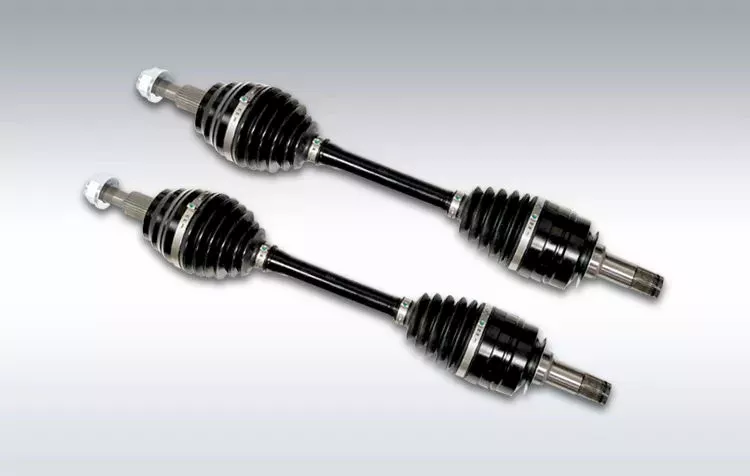
How do drivelines handle variations in load and torque during operation?
Drivelines are designed to handle variations in load and torque during operation by incorporating various components and mechanisms that optimize power transmission and mitigate the effects of these variations. Let’s delve into the ways drivelines handle load and torque variations:
1. Flexible Couplings:
Drivelines often utilize flexible couplings, such as universal joints or constant velocity (CV) joints, to accommodate misalignment and angular variations between connected components. These couplings allow for smooth power transmission even when there are slight misalignments or changes in angles. They can compensate for variations in load and torque by flexing and adjusting their angles, thereby reducing stress on the driveline components.
2. Torque Converters:
In some driveline systems, such as those found in automatic transmissions, torque converters are employed. Torque converters use hydraulic principles to transmit power between the engine and the drivetrain. They provide a degree of slip, which allows for torque multiplication and smooth power delivery, especially during low-speed and high-load conditions. Torque converters help manage variations in torque by absorbing and dampening sudden changes, ensuring smoother operation.
3. Clutches:
Clutches play a critical role in drivelines, particularly in manual transmissions or systems that require torque control. Clutches engage and disengage the power flow between the engine and the drivetrain. By engaging or disengaging the clutch, the driveline can handle variations in load and torque. For instance, when starting a vehicle from a standstill, the clutch gradually engages to transmit power smoothly and prevent abrupt torque surges.
4. Gearboxes and Transmission Systems:
Drivelines often incorporate gearboxes and transmissions that provide multiple gear ratios. These systems allow for varying torque and speed outputs, enabling the driveline to adapt to different load conditions. By changing gears, the driveline can match the power requirements of the vehicle or machinery to the load and torque demands, optimizing power delivery and efficiency.
5. Differential Systems:
In drivelines for vehicles with multiple driven wheels, such as cars with rear-wheel drive or all-wheel drive, differential systems are employed. Differentials distribute torque between the driven wheels while allowing them to rotate at different speeds, particularly during turns. This capability helps handle variations in load and torque between the wheels, ensuring smooth operation and minimizing tire wear.
6. Control Systems:
Modern drivelines often incorporate control systems that monitor and adjust power distribution based on various inputs, including load and torque conditions. These control systems, such as electronic control units (ECUs), can optimize power delivery, manage gear shifts, and adjust torque output to handle variations in load and torque. They may also incorporate sensors and feedback mechanisms to continuously monitor driveline performance and make real-time adjustments.
7. Overload Protection Mechanisms:
Some driveline systems include overload protection mechanisms to safeguard against excessive load or torque. These mechanisms can include torque limiters, shear pins, or safety clutches that disengage or slip when the load or torque exceeds a certain threshold. By providing a fail-safe mechanism, drivelines can protect the components from damage due to sudden or excessive variations in load and torque.
By incorporating these components and mechanisms, drivelines are capable of handling variations in load and torque during operation. They optimize power transmission, ensure smooth operation, and protect the driveline components from excessive stress or damage, ultimately enhancing the performance and longevity of the driveline system.
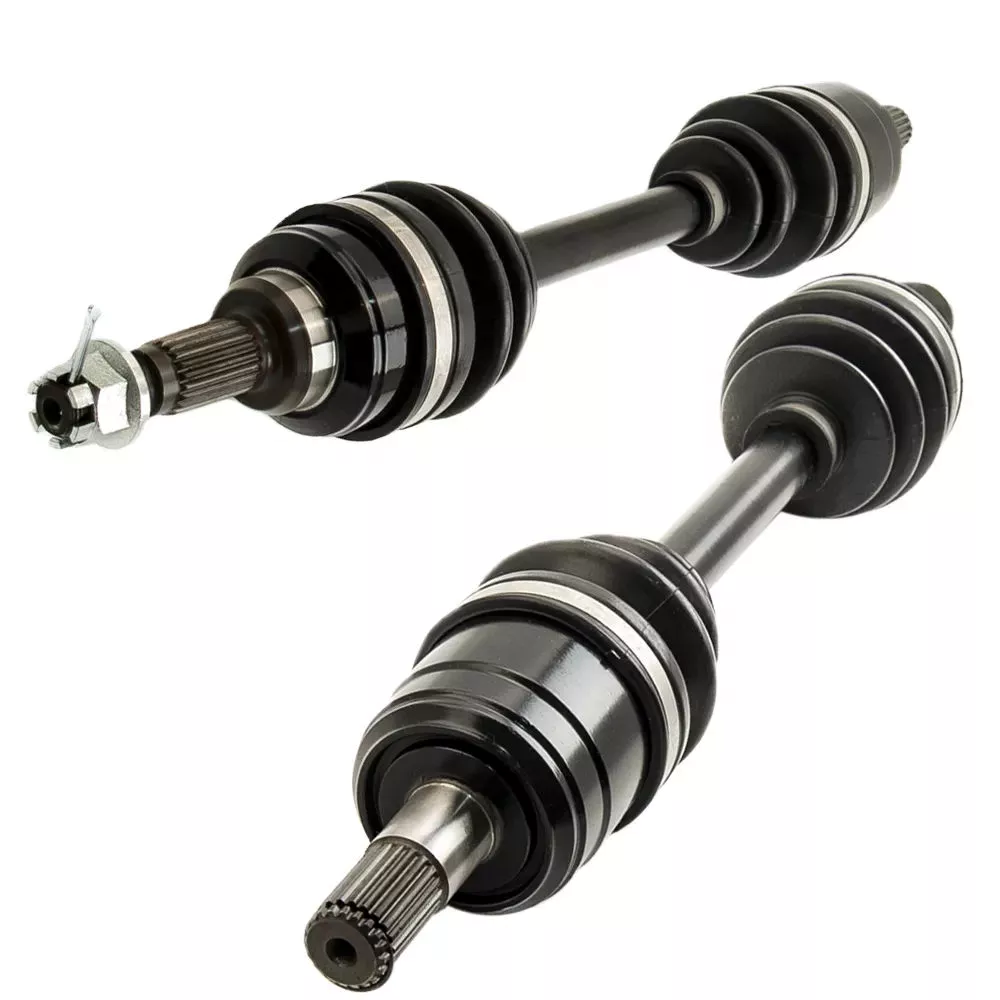
Қозғалтқыш жүйесінің компоненттерін көліктің немесе жабдықтың нақты талаптарына сәйкес реттеуге бола ма?
Иә, жетектің құрамдас бөліктерін көліктің немесе жабдықтың нақты талаптарына сәйкес келтіруге болады. Өндірушілер мен жеткізушілер оңтайлы өнімділікті, үйлесімділікті және әртүрлі көліктермен немесе жабдықтармен интеграцияны қамтамасыз ету үшін теңшеудің бірқатар нұсқаларын ұсынады. Теңшеу жетектің құрамдас бөліктерін белгілі бір қуат блогының конфигурацияларына, жұмыс жағдайларына, момент талаптарына және кеңістік шектеулеріне бейімдеуге мүмкіндік береді. Жетектің құрамдас бөліктерін теңшеудің егжей-тегжейлерін қарастырайық:
1. Қуат блогының конфигурациясы:
Жетек жүйесінің компоненттерін әртүрлі қуат беру жүйесінің конфигурацияларына бейімдеуге болады. Алдыңғы жетекті, артқы жетекті немесе толық жетекті жүйе болсын, өндірушілер белгілі бір конфигурацияның қажетті қуатты бөлу және момент беру сипаттамаларына сәйкес келетін дифференциалдар, беріліс қораптары және жетек біліктері сияқты нақты компоненттерді жобалап, ұсына алады.
2. Айналдыру моменті сыйымдылығы:
Қозғалтқыш жүйесінің компоненттерін белгілі бір момент талаптарын орындау үшін теңшеуге болады. Әр түрлі көліктерде немесе жабдықтарда олардың қолданылуына байланысты әртүрлі момент шығыстары болуы мүмкін. Өндірушілер жолаушылар көліктерінен бастап ауыр жүк көліктеріне немесе техникаға дейінгі әртүрлі қолданбалар үшін сенімді және тиімді қуат берілуін қамтамасыз ету үшін әртүрлі момент басқару мүмкіндіктері бар қозғалтқыш жүйесінің компоненттерін жасап шығара алады.
3. Өлшемі және конфигурациясы:
Қозғалтқыштың құрамдас бөліктерін әртүрлі көлік құралдарының немесе жабдықтардың кеңістік шектеулеріне сәйкес келетіндей етіп өлшемі, пішіні және конфигурациясы бойынша реттеуге болады. Өндірушілер әрбір қолданбаның шектеулі кеңістік немесе арнайы орнату талаптары сияқты бірегей қаптама шектеулері болуы мүмкін екенін түсінеді. Теңшеу арқылы қозғалтқыштың құрамдас бөліктерін осы нақты өлшемдік және қаптама шектеулеріне сәйкес келетіндей етіп жобалауға және өндіруге болады.
4. Материалды таңдау:
Қозғалтқыш компоненттеріне арналған материалдарды таңдау қажетті беріктік, салмақ және төзімділік сипаттамаларына негізделіп реттелуі мүмкін. Әртүрлі көліктер немесе жабдықтар өнімділікті оңтайландыру үшін белгілі бір материалдық қасиеттерді талап етуі мүмкін, мысалы, отын тиімділігін арттыру үшін жеңіл материалдар немесе ауыр жүктемелерге арналған жоғары беріктік қорытпалары. Өндірушілер нақты өнімділік және пайдалану талаптарына сай келетін материалдармен теңшелген қозғалтқыш компоненттерін ұсына алады.
5. Өнімділікті оңтайландыру:
Жетек жүйесінің құрамдас бөліктерін белгілі бір қолданбаларда өнімділікті оңтайландыру үшін теңшеуге болады. Өндірушілер көлік құралының немесе жабдықтың мақсатты пайдаланылуына байланысты үдеуді, тарту күшін, тиімділікті немесе нақты өнімділік атрибуттарын жақсарту үшін беріліс коэффициенттері, дифференциалды конфигурациялар немесе ілінісу сипаттамалары сияқты аспектілерді өзгерте алады. Бұл теңшеу жетегі жүйесінің құрамдас бөліктерінің нақты қолданба үшін қажетті өнімділік сипаттамаларын қамтамасыз ету үшін бейімделуін қамтамасыз етеді.
6. Мамандандырылған қолданбалар:
Жол талғамайтын көліктер, жарыс автомобильдері немесе өнеркәсіптік техника сияқты мамандандырылған қолданбалар үшін жетек компоненттерін сол орталардың бірегей талаптарын қанағаттандыру үшін одан әрі теңшеуге болады. Өндірушілер экстремалды жағдайларға немесе ауыр жұмыс жүктемелеріне төтеп беру үшін жақсартылған салқындату, күшейтілген конструкция немесе момент сыйымдылығын арттыру сияқты мүмкіндіктері бар мамандандырылған жетек компоненттерін жасай алады.
Жалпы алғанда, жетек компоненттерін теңшеу өндірушілерге әртүрлі көліктердің немесе жабдықтардың нақты талаптарын қанағаттандыруға мүмкіндік береді. Қуат блогының конфигурациясынан бастап, айналу моментінің сыйымдылығына, өлшемі мен конфигурациясына, материалды таңдауға, өнімділікті оңтайландыруға және мамандандырылған қолданбаларға дейін, теңшеу жетек компоненттерінің қажетті өнімділікке, үйлесімділікке және белгілі бір көліктермен немесе жабдықтармен интеграцияға қол жеткізу үшін дәл жобаланғанын және жасалғанын қамтамасыз етеді.

What is a driveline and how does it function in vehicles and machinery?
A driveline, also known as a drivetrain, refers to the components and systems responsible for transmitting power from the engine to the wheels or tracks in vehicles and machinery. It encompasses various elements such as the engine, transmission, drive shafts, differentials, axles, and wheels or tracks. The driveline plays a crucial role in converting the engine’s power into motion and enabling the vehicle or machinery to move. Here’s a detailed explanation of how the driveline functions in vehicles and machinery:
1. Power Generation: The driveline starts with the engine, which generates power by burning fuel or utilizing alternative energy sources. The engine produces rotational force, known as torque, which is transferred to the driveline for further transmission to the wheels or tracks.
2. Transmission: The transmission is a crucial component of the driveline that controls the distribution of power and torque from the engine to the wheels or tracks. It allows the driver or operator to select different gear ratios to optimize performance and efficiency based on the vehicle’s speed and load conditions. The transmission can be manual, automatic, or a combination of both, depending on the specific vehicle or machinery.
3. Drive Shaft: The drive shaft, also called a propeller shaft, is a rotating mechanical component that transmits torque from the transmission to the wheels or tracks. In vehicles with rear-wheel drive or four-wheel drive, the drive shaft transfers power to the rear axle or all four wheels. In machinery, the drive shaft may transfer power to the tracks or other driven components. The drive shaft is typically a tubular metal shaft with universal joints at each end to accommodate the movement and misalignment between the transmission and the wheels or tracks.
4. Differential: The differential is a device located in the driveline that enables the wheels or tracks to rotate at different speeds while still receiving power. It allows the vehicle or machinery to smoothly negotiate turns without wheel slippage or binding. The differential consists of a set of gears that distribute torque between the wheels or tracks based on their rotational requirements. In vehicles with multiple axles, there may be differentials on each axle to provide power distribution and torque balancing.
5. Axles: Axles are shafts that connect the differential to the wheels or tracks. They transmit torque from the differential to the individual wheels or tracks, allowing them to rotate and propel the vehicle or machinery. Axles are designed to withstand the loads and stresses associated with power transmission and wheel movement. They may be solid or independent, depending on the vehicle or machinery’s suspension and drivetrain configuration.
6. Wheels or Tracks: The driveline’s final components are the wheels or tracks, which directly contact the ground and provide traction and propulsion. In vehicles with wheels, the driveline transfers power from the engine to the wheels, allowing them to rotate and propel the vehicle forward or backward. In machinery with tracks, the driveline transfers power to the tracks, enabling the machinery to move over various terrains and surfaces.
7. Functioning: The driveline functions by transmitting power from the engine through the transmission, drive shaft, differential, axles, and finally to the wheels or tracks. As the engine generates torque, it is transferred through the transmission, which selects the appropriate gear ratio based on the vehicle’s speed and load. The drive shaft then transfers the torque to the differential, which distributes it between the wheels or tracks according to their rotational requirements. The axles transmit the torque from the differential to the individual wheels or tracks, allowing them to rotate and propel the vehicle or machinery.
8. Four-Wheel Drive and All-Wheel Drive: Some vehicles and machinery are equipped with four-wheel drive (4WD) or all-wheel drive (AWD) systems, which provide power to all four wheels simultaneously. In these systems, the driveline includes additional components such as transfer cases and secondary differentials to distribute power to the front and rear axles. The driveline functions similarly in 4WD and AWD systems, but with enhanced traction and off-road capabilities.
In summary, the driveline is a vital component in vehicles and machinery, responsible for transmitting power from the engine to the wheels or tracks. It involves the engine, transmission, drive shafts, differentials, axles, and wheels or tracks. By efficiently transferring torque and power, the driveline enables vehicles and machinery to move, providing traction, propulsion, and control. The specific configuration and components of the driveline may vary depending on the vehicle or machinery’s design, purpose, and drive system.


editor by CX 2024-05-08