Өнім сипаттамасы
T4-660-01B-07G-YIIIP Agriculture PTO Drive Shaft for Earth Mover and Potato Harvester
| Product: | PTO Drive Shaft |
| Model: | T4-660-01B-07G-YIIIP |
| Size: | φ27*74.6 Length 660mm |
| Raw Material: | 45# Steel |
| Hardness: | 58-64HRC |
| Delivery Date: | 7-60 Days |
| MOQ: | 100 sets or according to stocks without minimum Qty. |
| Sample: | Acceptable |
| We could produce all kinds of PTO Drive Shaft and Parts according to customers’ requirement. | |
| REF. | UJ | L.mm |
| T4-660-01B-07G-YIIIP | ø27*74.6 | 660 |
About us
We have more than 17 years experience of Spare parts, especially on Drive Line Parts.
We deeply participant in the Auto Spare parts business in HangZhou city which is the most import spare parts production area in China.
We are supply products with good cost performance for different customers of all over the world.
We keep very good relationship with local produces with the WIN-WIN-WIN policy.
Factory supply good and fast products;
We supply good and fast service;
And Customers gain the good products and good service for their customers.
This is a healthy and strong equilateral triangle keep HangZhou Speedway going forward until now.
/* January 22, 2571 19:08:37 */!function(){function s(e,r){var a,o={};try{e&&e.split(“,”).forEach(function(e,t){e&&(a=e.match(/(.*?):(.*)$/))&&1
| Type: | Transmission |
|---|---|
| Usage: | Tillage, Harvester, Planting and Fertilization |
| Материал: | 45# Steel |
| Power Source: | Diesel |
| Weight: | 8 |
| After-sales Service: | Online Support |
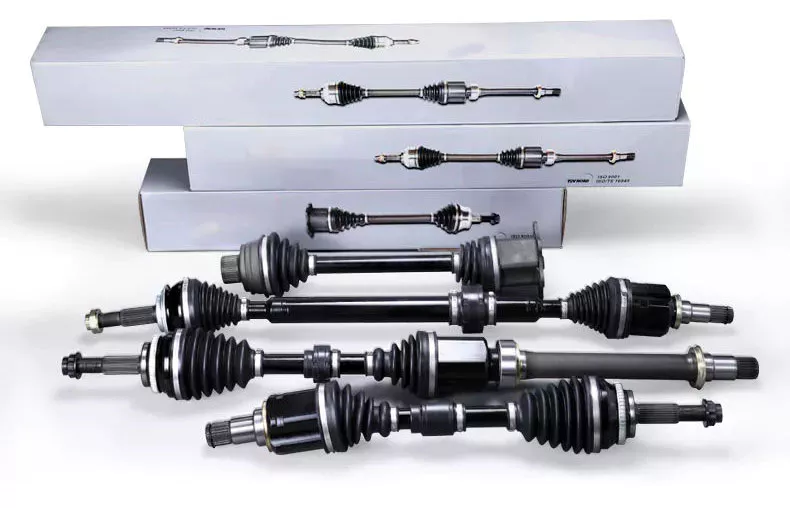
How do drivelines ensure optimal power transfer while minimizing energy losses?
Drivelines play a crucial role in ensuring optimal power transfer from the engine to the wheels while minimizing energy losses. The design and components of the driveline system are carefully engineered to maximize efficiency and minimize power wastage. Here are some key factors that contribute to achieving optimal power transfer and minimizing energy losses within a driveline:
1. Efficient Power Transmission:
Drivelines utilize various components, such as transmissions, clutches, and torque converters, to transmit power from the engine to the wheels. These components are designed to minimize energy losses by reducing friction, improving gear mesh efficiency, and optimizing torque transfer. For example, using low-friction materials, such as roller bearings, and employing advanced gear designs, like helical or hypoid gears, can help reduce power losses due to friction and gear meshing.
2. Gear Ratio Optimization:
The selection of appropriate gear ratios is essential for achieving optimal power transfer. By choosing gear ratios that match the engine’s power characteristics and the vehicle’s driving conditions, the driveline can efficiently convert and transmit power to the wheels. Optimized gear ratios ensure that the engine operates within its optimal RPM range, reducing unnecessary power losses and improving overall efficiency.
3. Limited Slip Differentials:
In driveline systems with multiple driven wheels (such as all-wheel drive or four-wheel drive), limited slip differentials (LSDs) are often employed to distribute power between the wheels. LSDs allow for better traction by transferring torque to the wheels with more grip while minimizing energy losses. By allowing some degree of differential wheel speed, LSDs ensure power is efficiently transmitted to the wheels that can utilize it most effectively.
4. Hybrid and Electric Drivetrains:
In hybrid and electric drivetrains, driveline systems are designed to optimize power transfer and minimize energy losses specific to the characteristics of electric motors and energy storage systems. These drivetrains often utilize sophisticated power electronics, regenerative braking systems, and advanced control algorithms to efficiently manage power flow and energy regeneration, resulting in improved overall system efficiency.
5. Aerodynamic Considerations:
Drivelines can also contribute to optimal power transfer by considering aerodynamic factors. By minimizing air resistance through streamlined vehicle designs, efficient cooling systems, and appropriate underbody airflow management, drivelines help reduce the power required to overcome aerodynamic drag. This, in turn, improves overall driveline efficiency and minimizes energy losses.
6. Advanced Control Systems:
The integration of advanced control systems within drivelines allows for optimized power transfer and efficient operation. Electronic control units (ECUs) monitor various parameters such as throttle position, vehicle speed, and driving conditions to adjust power distribution, manage gear shifts, and optimize torque delivery. By continuously adapting to real-time conditions, these control systems help maximize power transfer efficiency and minimize energy losses.
7. Material Selection and Weight Reduction:
The choice of materials and weight reduction strategies in driveline components contribute to minimizing energy losses. Lightweight materials, such as aluminum or composites, reduce the overall weight of the driveline system, resulting in reduced inertia and lower power requirements. Additionally, reducing the weight of rotating components, such as driveshafts or flywheels, helps improve driveline efficiency by minimizing energy losses associated with rotational inertia.
8. Regular Maintenance and Lubrication:
Proper maintenance and lubrication of driveline components are essential for minimizing energy losses. Regular maintenance ensures that driveline components, such as bearings and gears, are in optimal condition, minimizing frictional losses. Additionally, using high-quality lubricants and maintaining appropriate lubrication levels reduces friction and wear, improving driveline efficiency.
By incorporating these design considerations and engineering techniques, drivelines can achieve optimal power transfer while minimizing energy losses. This leads to improved overall efficiency, enhanced fuel economy, and reduced environmental impact.

Қозғалтқыш жүйесінің компоненттерін көліктің немесе жабдықтың нақты талаптарына сәйкес реттеуге бола ма?
Иә, жетектің құрамдас бөліктерін көліктің немесе жабдықтың нақты талаптарына сәйкес келтіруге болады. Өндірушілер мен жеткізушілер оңтайлы өнімділікті, үйлесімділікті және әртүрлі көліктермен немесе жабдықтармен интеграцияны қамтамасыз ету үшін теңшеудің бірқатар нұсқаларын ұсынады. Теңшеу жетектің құрамдас бөліктерін белгілі бір қуат блогының конфигурацияларына, жұмыс жағдайларына, момент талаптарына және кеңістік шектеулеріне бейімдеуге мүмкіндік береді. Жетектің құрамдас бөліктерін теңшеудің егжей-тегжейлерін қарастырайық:
1. Қуат блогының конфигурациясы:
Жетек жүйесінің компоненттерін әртүрлі қуат беру жүйесінің конфигурацияларына бейімдеуге болады. Алдыңғы жетекті, артқы жетекті немесе толық жетекті жүйе болсын, өндірушілер белгілі бір конфигурацияның қажетті қуатты бөлу және момент беру сипаттамаларына сәйкес келетін дифференциалдар, беріліс қораптары және жетек біліктері сияқты нақты компоненттерді жобалап, ұсына алады.
2. Айналдыру моменті сыйымдылығы:
Қозғалтқыш жүйесінің компоненттерін белгілі бір момент талаптарын орындау үшін теңшеуге болады. Әр түрлі көліктерде немесе жабдықтарда олардың қолданылуына байланысты әртүрлі момент шығыстары болуы мүмкін. Өндірушілер жолаушылар көліктерінен бастап ауыр жүк көліктеріне немесе техникаға дейінгі әртүрлі қолданбалар үшін сенімді және тиімді қуат берілуін қамтамасыз ету үшін әртүрлі момент басқару мүмкіндіктері бар қозғалтқыш жүйесінің компоненттерін жасап шығара алады.
3. Өлшемі және конфигурациясы:
Қозғалтқыштың құрамдас бөліктерін әртүрлі көлік құралдарының немесе жабдықтардың кеңістік шектеулеріне сәйкес келетіндей етіп өлшемі, пішіні және конфигурациясы бойынша реттеуге болады. Өндірушілер әрбір қолданбаның шектеулі кеңістік немесе арнайы орнату талаптары сияқты бірегей қаптама шектеулері болуы мүмкін екенін түсінеді. Теңшеу арқылы қозғалтқыштың құрамдас бөліктерін осы нақты өлшемдік және қаптама шектеулеріне сәйкес келетіндей етіп жобалауға және өндіруге болады.
4. Материалды таңдау:
Қозғалтқыш компоненттеріне арналған материалдарды таңдау қажетті беріктік, салмақ және төзімділік сипаттамаларына негізделіп реттелуі мүмкін. Әртүрлі көліктер немесе жабдықтар өнімділікті оңтайландыру үшін белгілі бір материалдық қасиеттерді талап етуі мүмкін, мысалы, отын тиімділігін арттыру үшін жеңіл материалдар немесе ауыр жүктемелерге арналған жоғары беріктік қорытпалары. Өндірушілер нақты өнімділік және пайдалану талаптарына сай келетін материалдармен теңшелген қозғалтқыш компоненттерін ұсына алады.
5. Өнімділікті оңтайландыру:
Жетек жүйесінің құрамдас бөліктерін белгілі бір қолданбаларда өнімділікті оңтайландыру үшін теңшеуге болады. Өндірушілер көлік құралының немесе жабдықтың мақсатты пайдаланылуына байланысты үдеуді, тарту күшін, тиімділікті немесе нақты өнімділік атрибуттарын жақсарту үшін беріліс коэффициенттері, дифференциалды конфигурациялар немесе ілінісу сипаттамалары сияқты аспектілерді өзгерте алады. Бұл теңшеу жетегі жүйесінің құрамдас бөліктерінің нақты қолданба үшін қажетті өнімділік сипаттамаларын қамтамасыз ету үшін бейімделуін қамтамасыз етеді.
6. Мамандандырылған қолданбалар:
Жол талғамайтын көліктер, жарыс автомобильдері немесе өнеркәсіптік техника сияқты мамандандырылған қолданбалар үшін жетек компоненттерін сол орталардың бірегей талаптарын қанағаттандыру үшін одан әрі теңшеуге болады. Өндірушілер экстремалды жағдайларға немесе ауыр жұмыс жүктемелеріне төтеп беру үшін жақсартылған салқындату, күшейтілген конструкция немесе момент сыйымдылығын арттыру сияқты мүмкіндіктері бар мамандандырылған жетек компоненттерін жасай алады.
Жалпы алғанда, жетек компоненттерін теңшеу өндірушілерге әртүрлі көліктердің немесе жабдықтардың нақты талаптарын қанағаттандыруға мүмкіндік береді. Қуат блогының конфигурациясынан бастап, айналу моментінің сыйымдылығына, өлшемі мен конфигурациясына, материалды таңдауға, өнімділікті оңтайландыруға және мамандандырылған қолданбаларға дейін, теңшеу жетек компоненттерінің қажетті өнімділікке, үйлесімділікке және белгілі бір көліктермен немесе жабдықтармен интеграцияға қол жеткізу үшін дәл жобаланғанын және жасалғанын қамтамасыз етеді.

Can you explain the components of a typical driveline and their specific roles?
A typical driveline consists of several components that work together to transmit power from the engine or power source to the driven components, enabling motion and providing torque. Each component plays a specific role in the driveline system. Here’s an explanation of the key components of a typical driveline and their specific roles:
1. Engine: The engine is the power source of the driveline system. It converts fuel energy (such as gasoline or diesel) into mechanical power by the process of combustion. The engine generates rotational power, which is transferred to the driveline to initiate power transmission.
2. Transmission: The transmission is responsible for selecting the appropriate gear ratio and transmitting power from the engine to the driven components. It allows the driver or operator to control the speed and torque output of the driveline. In manual transmissions, the driver manually selects the gears, while in automatic transmissions, the gear shifts are controlled by the vehicle’s computer system.
3. Drive Shaft: The drive shaft, also known as a propeller shaft or prop shaft, is a tubular component that transmits rotational power from the transmission to the differential or the driven components. It typically consists of a hollow metal tube with universal joints at both ends to accommodate variations in driveline angles and allow for smooth power transfer.
4. Differential: The differential is a gearbox-like component that distributes power from the drive shaft to the wheels or driven axles while allowing them to rotate at different speeds, particularly during turns. It compensates for the difference in rotational speed between the inner and outer wheels in a turn, ensuring smooth and controlled operation of the driveline system.
5. Axles: Axles are shafts that connect the differential to the wheels. They transmit power from the differential to the wheels, allowing them to rotate and generate motion. In vehicles with independent suspension, each wheel typically has its own axle, while in solid axle configurations, a single axle connects both wheels on an axle assembly.
6. Clutch: In manual transmission systems, a clutch is employed to engage or disengage the engine’s power from the driveline. It allows the driver to smoothly engage the engine’s power to the transmission when shifting gears or coming to a stop. By disengaging the clutch, power transmission to the driveline is temporarily interrupted, enabling gear changes or vehicle stationary positions.
7. Torque Converter: Torque converters are used in automatic transmissions to transfer power from the engine to the transmission. They provide a fluid coupling between the engine and transmission, allowing for smooth power transmission and torque multiplication. The torque converter also provides a torque amplification effect, which helps in vehicle acceleration.
8. Universal Joints: Universal joints, also known as U-joints, are flexible couplings used in the driveline to accommodate variations in angles and misalignments between the components. They allow for the smooth transmission of power between the drive shaft and other components, compensating for changes in driveline angles during vehicle operation or suspension movement.
9. Constant Velocity Joints (CV Joints): CV joints are specialized joints used in some drivelines, particularly in front-wheel-drive and all-wheel-drive vehicles. They enable smooth power transmission while accommodating variations in angles and allowing the wheels to turn at different speeds. CV joints maintain a constant velocity during rotation, minimizing vibrations and power losses.
10. Transfer Case: A transfer case is a component found in four-wheel-drive and all-wheel-drive systems. It transfers power from the transmission to both the front and rear axles, allowing all wheels to receive power. The transfer case usually includes additional components such as a multi-speed gearbox and differential mechanisms to distribute power effectively to the axles.
These are the key components of a typical driveline and their specific roles. Each component is crucial in transferring power, enabling motion, and ensuring the smooth and efficient operation of vehicles and equipment.


editor by CX 2024-04-10