Өнім сипаттамасы
Өнім сипаттамасы
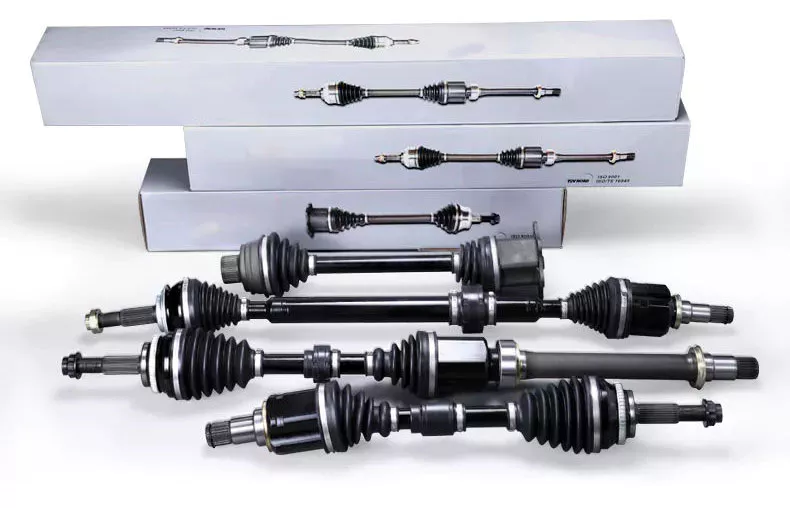
As a professional manufacturer for propeller shaft, we have +1000 items for all kinds of car. At present, our products are mainly sold in North America, Europe, Australia, South Korea, the Middle East and Southeast Asia and other regions, applicable models are European cars, American cars, Japanese and Korean cars, etc.
Our advantage:
1. Full range of products
2. MOQ qty: 1pcs/items
3. Delivery on time
4: Warranty: 1 YEAR
| OE NUMBER | 7L8521101C |
| TYPE | AUDI Q7 |
| MATERIAL | STEEL |
| BALANCE STHangZhouRD | G16 3200RPM |
| After-sales Service: | 1years |
|---|---|
| Condition: | New |
| Color: | Black |
| Customization: |
Available
| Customized Request |
|---|
.shipping-cost-tm .tm-status-off{background: none;padding:0;color: #1470cc}
| Shipping Cost:
Estimated freight per unit. |
about shipping cost and estimated delivery time. |
|---|
| Payment Method: |
|
|---|---|
|
Initial Payment Full Payment |
| Currency: | US$ |
|---|
| Return&refunds: | You can apply for a refund up to 30 days after receipt of the products. |
|---|
How do drivelines ensure optimal power transfer while minimizing energy losses?
Drivelines play a crucial role in ensuring optimal power transfer from the engine to the wheels while minimizing energy losses. The design and components of the driveline system are carefully engineered to maximize efficiency and minimize power wastage. Here are some key factors that contribute to achieving optimal power transfer and minimizing energy losses within a driveline:
1. Efficient Power Transmission:
Drivelines utilize various components, such as transmissions, clutches, and torque converters, to transmit power from the engine to the wheels. These components are designed to minimize energy losses by reducing friction, improving gear mesh efficiency, and optimizing torque transfer. For example, using low-friction materials, such as roller bearings, and employing advanced gear designs, like helical or hypoid gears, can help reduce power losses due to friction and gear meshing.
2. Gear Ratio Optimization:
The selection of appropriate gear ratios is essential for achieving optimal power transfer. By choosing gear ratios that match the engine’s power characteristics and the vehicle’s driving conditions, the driveline can efficiently convert and transmit power to the wheels. Optimized gear ratios ensure that the engine operates within its optimal RPM range, reducing unnecessary power losses and improving overall efficiency.
3. Limited Slip Differentials:
In driveline systems with multiple driven wheels (such as all-wheel drive or four-wheel drive), limited slip differentials (LSDs) are often employed to distribute power between the wheels. LSDs allow for better traction by transferring torque to the wheels with more grip while minimizing energy losses. By allowing some degree of differential wheel speed, LSDs ensure power is efficiently transmitted to the wheels that can utilize it most effectively.
4. Hybrid and Electric Drivetrains:
In hybrid and electric drivetrains, driveline systems are designed to optimize power transfer and minimize energy losses specific to the characteristics of electric motors and energy storage systems. These drivetrains often utilize sophisticated power electronics, regenerative braking systems, and advanced control algorithms to efficiently manage power flow and energy regeneration, resulting in improved overall system efficiency.
5. Aerodynamic Considerations:
Drivelines can also contribute to optimal power transfer by considering aerodynamic factors. By minimizing air resistance through streamlined vehicle designs, efficient cooling systems, and appropriate underbody airflow management, drivelines help reduce the power required to overcome aerodynamic drag. This, in turn, improves overall driveline efficiency and minimizes energy losses.
6. Advanced Control Systems:
The integration of advanced control systems within drivelines allows for optimized power transfer and efficient operation. Electronic control units (ECUs) monitor various parameters such as throttle position, vehicle speed, and driving conditions to adjust power distribution, manage gear shifts, and optimize torque delivery. By continuously adapting to real-time conditions, these control systems help maximize power transfer efficiency and minimize energy losses.
7. Material Selection and Weight Reduction:
The choice of materials and weight reduction strategies in driveline components contribute to minimizing energy losses. Lightweight materials, such as aluminum or composites, reduce the overall weight of the driveline system, resulting in reduced inertia and lower power requirements. Additionally, reducing the weight of rotating components, such as driveshafts or flywheels, helps improve driveline efficiency by minimizing energy losses associated with rotational inertia.
8. Regular Maintenance and Lubrication:
Proper maintenance and lubrication of driveline components are essential for minimizing energy losses. Regular maintenance ensures that driveline components, such as bearings and gears, are in optimal condition, minimizing frictional losses. Additionally, using high-quality lubricants and maintaining appropriate lubrication levels reduces friction and wear, improving driveline efficiency.
By incorporating these design considerations and engineering techniques, drivelines can achieve optimal power transfer while minimizing energy losses. This leads to improved overall efficiency, enhanced fuel economy, and reduced environmental impact.

How do drivelines enhance the performance of different types of vehicles?
Drivelines significantly contribute to enhancing the performance of different types of vehicles by optimizing power delivery, improving traction, and tailoring the driving characteristics to suit specific needs. Here’s a detailed explanation of how drivelines enhance performance in various vehicle types:
1. Passenger Cars:
In passenger cars, driveline configurations, such as front-wheel drive (FWD), rear-wheel drive (RWD), and all-wheel drive (AWD), play a crucial role in performance. Here’s how drivelines enhance performance in passenger cars:
- FWD: Front-wheel drive systems provide better traction and stability, particularly in adverse weather conditions. FWD drivelines distribute weight more evenly over the front wheels, resulting in improved grip during acceleration and cornering.
- RWD: Rear-wheel drive drivelines offer better weight distribution, allowing for improved handling and balanced performance. RWD vehicles typically exhibit better acceleration and a more engaging driving experience, especially in performance-oriented cars.
- AWD: All-wheel drive drivelines deliver power to all four wheels, improving traction and stability in various driving conditions. AWD systems enhance performance by maximizing grip and providing optimal power distribution between the front and rear wheels.
2. Sports Cars and Performance Vehicles:
Driveline systems in sports cars and performance vehicles are designed to enhance acceleration, handling, and overall driving dynamics. Key features include:
- Rear-Wheel Drive (RWD): RWD drivelines are often favored in sports cars for their ability to deliver power to the rear wheels, resulting in better weight transfer during acceleration and improved handling characteristics.
- Performance-oriented AWD: Some high-performance vehicles employ advanced AWD systems that can variably distribute torque between the front and rear wheels. These systems enhance traction, stability, and cornering capabilities, allowing for superior performance on both dry and slippery surfaces.
- Torque Vectoring: Certain driveline systems incorporate torque vectoring technology, which actively varies the torque distribution between wheels. This enables precise control during cornering, reducing understeer and enhancing agility and stability.
3. Off-Road Vehicles:
Drivelines in off-road vehicles are designed to provide exceptional traction, durability, and maneuverability in challenging terrains. Key features include:
- Four-Wheel Drive (4WD) and All-Wheel Drive (AWD): 4WD and AWD drivelines are commonly used in off-road vehicles to improve traction on uneven surfaces. These drivelines distribute power to all wheels, allowing for better grip and enhanced off-road capability.
- Differential Locks: Off-road drivelines often incorporate differential locks that can be engaged to lock the wheels on an axle together. This feature ensures that power is evenly distributed to all wheels, maximizing traction and overcoming challenging obstacles.
- High Ground Clearance: Drivelines in off-road vehicles are designed to accommodate higher ground clearance, allowing for improved approach, departure, and breakover angles. This design feature enhances the vehicle’s ability to navigate over rough terrain without damaging the driveline components.
4. Trucks and Commercial Vehicles:
Drivelines in trucks and commercial vehicles are engineered to provide high torque delivery, durability, and efficiency. Key features include:
- High Torque Handling: Drivelines in trucks and commercial vehicles are designed to handle high torque outputs from powerful engines, enabling efficient towing, hauling, and overall performance.
- Transmission Options: Drivelines in trucks often feature transmissions with multiple gear ratios, allowing drivers to select the appropriate gear for different load conditions. This enhances performance, fuel efficiency, and overall drivability.
- Efficient Power Transfer: Drivelines in commercial vehicles focus on maximizing power transfer efficiency, minimizing energy losses, and optimizing fuel economy. This is achieved through the use of efficient transmission designs, low-friction components, and advanced control systems.
5. Electric and Hybrid Vehicles:
Drivelines in electric and hybrid vehicles play a crucial role in delivering power from the electric motor(s) to the wheels. Key features include:
- Instant Torque: Electric drivelines offer instant torque delivery, providing quick acceleration andresponsive performance. This enhances the driving experience and allows for swift overtaking and merging.
- Regenerative Braking: Electric and hybrid drivelines can incorporate regenerative braking systems, which convert kinetic energy during braking into electrical energy. This improves overall efficiency and extends the vehicle’s range.
- Multi-Motor Systems: Some electric and hybrid drivelines utilize multiple motors to drive different axles or wheels independently. This enables advanced torque vectoring and enhances handling, stability, and traction control.
These are just a few examples of how drivelines enhance the performance of different types of vehicles. Driveline configurations, technologies, and engineering considerations are tailored to each vehicle type, optimizing power delivery, handling, traction, and other performance characteristics specific to their intended use and market segment.

Әртүрлі қолданбаларда электр берілісі мен қозғалысқа жетек желілері қалай үлес қосады?
Жетек жетегі автомобиль көліктерін, ауылшаруашылық техникасын, құрылыс жабдықтарын және өнеркәсіптік жүйелерді қоса алғанда, әртүрлі қолданбаларда қуат беру мен қозғалыста маңызды рөл атқарады. Олар қозғалтқыштан немесе қуат көзінен жетектегі компоненттерге қуат беру, қозғалысты қамтамасыз ету және нақты тапсырмаларды орындау үшін қажетті момент беру үшін жауап береді. Жетек жетегі әртүрлі қолданбаларда қуат беру мен қозғалысқа қалай үлес қосатыны туралы егжей-тегжейлі түсініктеме берілген:
1. Автокөлік құралдары: Жеңіл автомобильдерде, жүк көліктерінде және мотоциклдерде жетек жүйелері қозғалтқыштан дөңгелектерге қуат береді, бұл қозғалыс пен қозғалысты қамтамасыз етеді. Жетек жүйесі қозғалтқыш, беріліс қорабы, жетек біліктері, дифференциалдар және осьтер сияқты компоненттерден тұрады. Қозғалтқыш отын жағу арқылы қуат өндіреді және бұл қуат беріліс қорабына беріледі. Беріліс қорабы тиісті беріліс қатынасын таңдайды және қуатты жетек біліктеріне береді. Жетек біліктері қуатты дифференциалдарға береді, олар оны дөңгелектерге таратады. Доңғалақтар өз кезегінде айналу қуатын сызықтық қозғалысқа айналдырады, көлікті алға немесе артқа жылжытады.
2. Ауыл шаруашылығы техникасы: Жетек жетегі тракторлар, комбайндар және егін жинау комбайндары сияқты ауыл шаруашылығы техникасында кеңінен қолданылады. Бұл машиналар жер жырту, топырақ өңдеу, егу және жинау сияқты әртүрлі тапсырмаларды орындау үшін қуат беруді қажет етеді. Ауыл шаруашылығы техникасындағы жетегі әдетте қуатты алу (PTO) блогынан, жетек біліктерінен, беріліс қораптарынан және құрал біліктерінен тұрады. PTO блогы трактор қозғалтқышына қосылады және қуатты жетек біліктеріне береді. Жетек біліктері қуатты беріліс қораптарына береді, олар оны әрі қарай құрал біліктеріне таратады. Құрал біліктері нақты ауыл шаруашылығы құралдарын басқарады, бұл оларға өздерінің мақсатты функцияларын орындауға мүмкіндік береді.
3. Құрылыс жабдықтары: Жетек жетегі экскаваторлар, тиегіштер, бульдозерлер және крандар сияқты құрылыс техникасында өте маңызды. Бұл машиналар қазу, көтеру, итеру және тарту сияқты тапсырмаларды орындау үшін қуат беруді қажет етеді. Құрылыс техникасындағы жетегі әдетте қозғалтқыштан, беріліс қорабынан, жетек біліктерінен, гидравликалық жүйелерден және әртүрлі беріліс механизмдерінен тұрады. Қозғалтқыш қуат өндіреді, ол беріліс қорабына беріледі. Беріліс қорабы гидравликалық жүйелермен және беріліс механизмдерімен бірге жабдықтың әртүрлі компоненттерін басқару үшін қуатты түрлендіреді және басқарады, бұл оларға өздерінің нақты функцияларын орындауға мүмкіндік береді.
4. Өнеркәсіптік жүйелер: Жетек жетегі өнеркәсіптік жүйелер мен машиналарда, соның ішінде конвейерлік жүйелерде, өндірістік жабдықтарда және ауыр жүк көтеретін машиналарда кеңінен қолданылады. Бұл қолданбалар материалдарды өңдеу, өңдеу және өндіру үшін қуат беруді қажет етеді. Өнеркәсіптік жүйелердегі жетегі көбінесе электр қозғалтқыштарын, беріліс қораптарын, жетек біліктерін, муфталарды және жетекті компоненттерді қамтиды. Электр қозғалтқышы айналмалы қуатты қамтамасыз етеді, ол машиналарды немесе конвейерлерді басқару үшін жетек жетегі компоненттері арқылы беріледі, бұл өнеркәсіптік жүйеде қажетті қозғалыс пен қуат беруді жеңілдетеді.
5. Электр энергиясын өндіру: Жетек желілері генераторлар мен турбиналар сияқты электр энергиясын өндіру қолданбаларында да қолданылады. Бұл жүйелер механикалық энергияны электр энергиясына айналдыру үшін қуат беруді қажет етеді. Электр энергиясын өндірудегі жетек желісі көбінесе генераторға қосылған іштен жану қозғалтқышы немесе бу турбинасы сияқты негізгі қозғалтқыштан тұрады. Муфталар, беріліс қораптары және жетек біліктері сияқты жетек жүйесінің компоненттері негізгі қозғалтқыштан айналмалы қуатты генераторға береді, ол оны электр қуатына айналдырады.
6. Теңіз және аэроғарыштық қолданыстар: Жетек жетегі теңіз кемелерінде және аэроғарыштық жүйелерде қозғалыс пен қозғалысты жеңілдету үшін қолданылады. Теңіз қолданбаларында жетек жетегі қозғалтқыштардан немесе турбиналардан қуатты пропеллерлерге немесе су ағындарына береді, бұл кеменің су арқылы қозғалуына мүмкіндік береді. Аэроғарыштық қолданбаларда жетек жетегі қозғалтқыштардан қуатты роторлар немесе пропеллерлер сияқты әртүрлі компоненттерге береді, бұл ұшу үшін қажетті тарту күшін қамтамасыз етеді.
Қорытындылай келе, жетек желілері кең ауқымды қолданбаларда қуат беру мен қозғалыстың ажырамас бөлігі болып табылады. Олар қуатты қозғалтқыштан немесе қуат көзінен жетектегі компоненттерге беруге мүмкіндік береді, бұл айналу моментін жасауға және нақты тапсырмаларды орындауға мүмкіндік береді. Жетек желілері автомобиль көліктерінде, ауыл шаруашылығы техникасында, құрылыс жабдықтарында, өнеркәсіптік жүйелерде, қуат өндіруде, теңіз және аэроғарыш салаларында маңызды рөл атқарады, тиімді қуат беру, қозғалыс және осы әртүрлі жүйелердің жалпы функционалдығына ықпал етеді.


editor by CX 2023-11-27