Өнім сипаттамасы
Widely Used Pto Shaft for Agricultural Machinery
1. Product Description
|
2. More Products
3. The Structure Of PTO Shaft
4. Installing Process
5. Packing and Shipping
6.Our Company
HangZhou CHINAMFG Tech.Machinery Co.,Ltd was founded in 2003. It is located at HangZhou County, HangZhou City, closed to 204 National Road.Our main products: 1. all kinds of drive shaft 2.all kinds of gera box 3. Farm machinery: IMT500 inorganic fertilizer spreader, HMT05S organic fertilizer spreader, 3M rotovator , 3M wet-paddy field rotary, King 185 deep cultviating machine and so on. 4.The machinery parts: many kinds of Gear, Shaft, Flang, ,Gear box, Laser parts, Stamping parts and so on.
7. FAQ
1. Q: Are your products forged or cast?
A: All of our products are forged.
2. Q: What’s your MOQ?
A: 20 PCS for each type. We accept the sample order.
3. Q: What’s the horse power of the pto shaft are available?
A: We provide a full range of pto shaft, ranging from 16HP-200HP.
4. Q: How many splined specification do you have ?
A: We produce 1 1/8″-Z6, 1 3/8″-Z6, 1 3/4″-Z6, 1 3/8″- Z21, 1 3/4″-Z20, 8X42X48X8 and 8X32X38X6 splines.
5. Q: How about the warranty?
A: We guarantee 1 year warranty. With quality problems, we will send you the new products for free within next shipment.
6. Q: What’s your payment terms?
A: T/T, L/C, D/A, D/P….
7. Q: What is the delivery time?
A: 40 days after receiving your advanced deposit.
| Материал: | Көміртекті болат |
|---|---|
| Жүктеме: | Жетек білігі |
| Қаттылық және икемділік: | Stiffness / Rigid Axle |
| Ось пішіні: | Түзу білік |
| Appearance Shape: | Round |
| Design: | Customized |
| Customization: |
Available
| Customized Request |
|---|
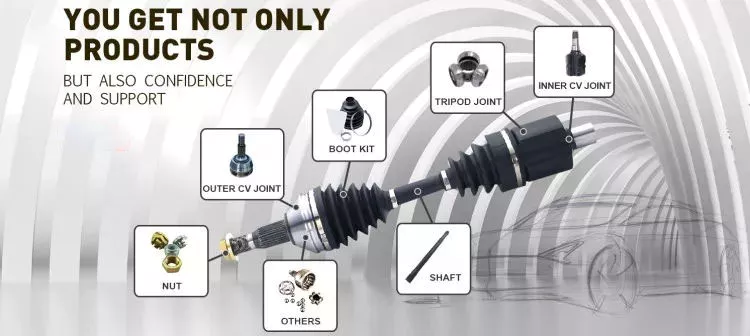
What factors should be considered when selecting the appropriate PTO driveline for an application?
When selecting the appropriate PTO (Power Take-Off) driveline for an application, several factors need to be considered to ensure optimal performance, efficiency, and safety. Here are some key factors to take into account:
1. Power Requirements:
– Determine the power requirements of the driven equipment. Consider the horsepower (HP) or kilowatt (kW) rating necessary to operate the equipment effectively. The PTO driveline should be capable of transmitting the required power without overloading or damaging the driveline components.
2. Speed and RPM:
– Identify the desired operating speed and RPM (Rotations Per Minute) of the driven equipment. The PTO driveline should be compatible with the required speed range to ensure efficient power transmission. Consider the maximum and minimum RPM ratings of the driveline and select one that matches the specific speed requirements of the application.
3. Torque Requirements:
– Determine the torque requirements of the driven equipment. Torque is the rotational force required to perform the intended task. Consider both the maximum and average torque demands during operation. Ensure that the selected PTO driveline can handle the torque levels without exceeding its maximum torque capacity or causing premature wear or failure.
4. Application Type:
– Consider the specific application and the type of equipment involved. Different applications may require different PTO driveline designs and features. For example, agricultural equipment such as mowers, balers, or tillers may benefit from a constant velocity (CV) PTO driveline to accommodate varying angles and speeds, while stationary equipment like generators or water pumps may use a non-constant velocity (non-CV) PTO driveline.
5. Safety Considerations:
– Evaluate the safety requirements of the application. Certain applications may require additional safety features such as shear bolts or slip clutches to protect against excessive loads, sudden obstructions, or torque spikes. Ensure that the selected PTO driveline incorporates the necessary safety mechanisms to prevent damage to the driveline and equipment, as well as to ensure the safety of operators and bystanders.
6. Durability and Maintenance:
– Consider the durability and maintenance requirements of the PTO driveline. Evaluate the quality and reliability of the driveline components, such as bearings, joints, and couplings. Choose a driveline that is built to withstand the demands of the application and requires minimal maintenance to ensure long-term performance and reduce downtime.
7. Compatibility:
– Ensure compatibility between the PTO driveline and the power source (e.g., tractor, engine). Consider the PTO driveline’s connection type, size (e.g., spline count, shaft diameter), and mounting configuration to ensure a proper fit and connection with the power source.
8. Environmental Conditions:
– Take into account the environmental conditions in which the PTO driveline will operate. Factors such as temperature extremes, exposure to moisture, dust, or chemicals can impact the driveline’s performance and longevity. Choose a driveline that is designed to withstand the specific environmental conditions of the application.
9. Manufacturer and Quality:
– Consider the reputation and reliability of the PTO driveline manufacturer. Opt for reputable manufacturers known for producing high-quality and durable driveline systems. Research customer reviews and seek recommendations from industry experts to ensure you choose a reliable and reputable brand.
By carefully considering these factors, you can select the most appropriate PTO driveline for your specific application. It is recommended to consult with manufacturers, industry experts, or equipment dealers to get further guidance and ensure the right driveline selection for your needs.
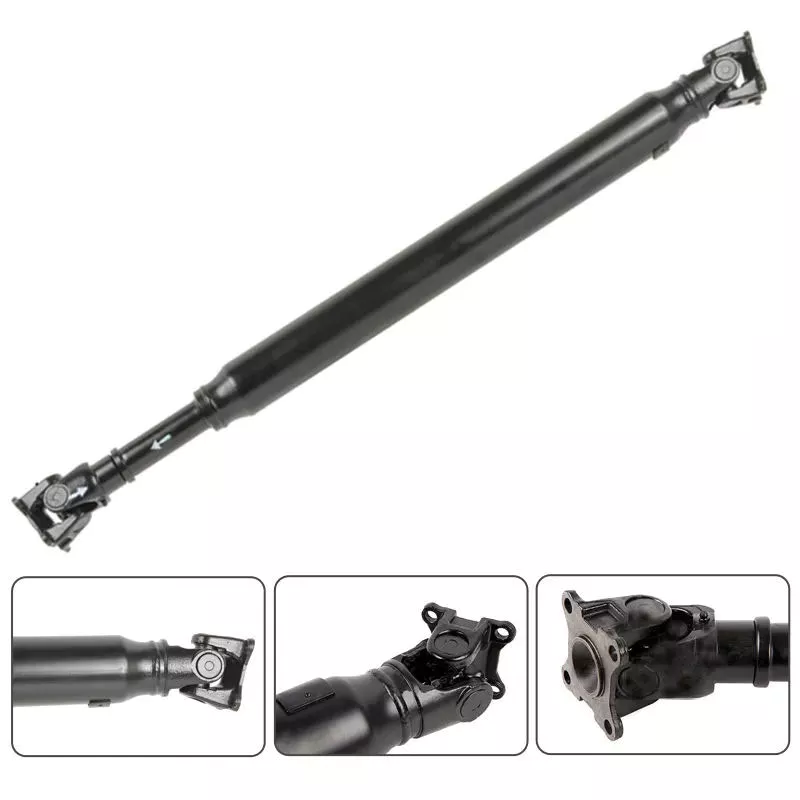
Are there any limitations or challenges associated with using PTO driveline systems?
While PTO (Power Take-Off) driveline systems offer numerous benefits, there are also certain limitations and challenges associated with their use. Here are some of the key considerations:
1. Safety Risks:
– PTO driveline systems can pose safety risks if not handled properly. The rotating components of the driveline, such as the shafts, yokes, and universal joints, can cause serious injuries if operators come into contact with them while in motion. It is crucial to follow proper safety procedures, including the use of shields, guards, and safety devices, to prevent accidents. Adequate training and awareness about the potential hazards associated with PTO driveline systems are essential.
2. Maintenance and Lubrication:
– PTO driveline systems require regular maintenance and lubrication to ensure optimal performance and longevity. The universal joints, splines, and other moving parts need to be inspected, cleaned, and properly lubricated according to the manufacturer’s recommendations. Neglecting maintenance can lead to premature wear, increased friction, and potential failures, compromising the driveline’s efficiency and reliability.
3. Alignment and Misalignment:
– Proper alignment between the power source and the driven equipment is crucial for efficient power transfer in PTO driveline systems. Misalignment can result in increased vibration, excessive wear, and reduced power transmission efficiency. Achieving and maintaining proper alignment can be challenging, especially when connecting the driveline to equipment with varying mounting heights, angles, or misaligned driveline components. Operators need to carefully align the driveline to minimize stress and ensure smooth operation.
4. Length and Compatibility:
– PTO driveline systems need to be appropriately sized and compatible with the specific equipment and applications they are intended for. Variations in length, connection types, and torque requirements among different equipment can pose challenges in selecting the right driveline. Ensuring proper compatibility and fit between the driveline and the equipment is crucial for optimal power transmission and safety. Customization or adaptation may be necessary in certain cases, which could add complexity and cost.
5. Torque Overload and Protection:
– PTO driveline systems are susceptible to torque overload, especially when the driven equipment encounters sudden resistance or obstructions. Excessive torque can lead to driveline component failures, such as universal joint breakage or shear pin failure, potentially causing damage to the driveline or other connected components. Proper protection mechanisms, such as shear pins, slip clutches, or overload clutches, should be employed to prevent damage and ensure operator safety.
6. Noise and Vibration:
– PTO driveline systems can generate significant noise and vibration during operation. The rotating components, imbalances, misalignments, or worn-out components can contribute to increased noise levels and vibration. Excessive noise and vibration not only affect operator comfort but can also lead to component fatigue and premature wear. Employing appropriate vibration dampening techniques, balancing the driveline components, and using vibration-absorbing materials can help mitigate these issues.
7. Environmental Factors:
– PTO driveline systems may be exposed to various environmental factors, such as dust, debris, moisture, and temperature extremes. These factors can impact the driveline’s performance and longevity. Dust and debris can accumulate in the driveline components, leading to increased friction and wear. Moisture and corrosive environments can cause rust and degradation of driveline parts. Extreme temperatures can affect the lubrication properties and material integrity. Regular inspection, cleaning, and appropriate protection measures are essential to mitigate the impact of environmental factors.
In summary, while PTO driveline systems offer significant advantages, there are limitations and challenges that need to be addressed for safe and efficient operation. These include safety risks, maintenance requirements, alignment considerations, compatibility issues, torque overload protection, noise and vibration management, and the impact of environmental factors. By understanding and addressing these challenges, operators can ensure the proper functioning and longevity of PTO driveline systems.

PTO жетек жүйесінің негізгі компоненттері қандай және олар қалай бірге жұмыс істейді?
PTO (Power Take-Off) жетек жүйесі қуат көзінен жетектегі жабдыққа қуат беруді жеңілдету үшін бірге жұмыс істейтін бірнеше негізгі компоненттерден тұрады. Әрбір компонент айналмалы қуаттың тиімді және сенімді берілуін қамтамасыз етуде белгілі бір рөл атқарады. PTO жетек жүйесінің негізгі компоненттерін және олардың қалай бірге жұмыс істейтінін қарастырайық:
1. Қуат көзі:
Қуат көзі PTO жетек жүйесіндегі қуат көзі әдетте трактордағы немесе өнеркәсіптік машинадағыдай қозғалтқыш немесе қозғалтқыш болып табылады. Қуат көзі бүкіл жүйе үшін энергия көзі ретінде қызмет ететін айналмалы қуатты өндіреді. Қозғалтқыш шығаратын қуат жинақталып, одан әрі беру үшін PTO жетек жүйесіне беріледі.
2. Қуат беру білігі:
Қуат көзінен қозғалтқыш жабдыққа дейін созылатын айналмалы білік - бұл қуат көзінен құралға қуат беру үшін жауапты негізгі компонент. Қуат көзінен құралға қуат беру үшін жауапты негізгі компонент. Қуат көзінің білігі бір ұшынан қуат көзіне, әдетте Қуат көзінің муфтасы арқылы, ал екінші ұшынан қозғалтқыш жабдыққа қосылады. Қуат көзі айналған кезде, айналмалы қозғалыс құралды басқару үшін Қуат көзінің білігі бойымен беріледі.
3. PTO ілінісі:
Қуат көзі мен жетектегі жабдық арасындағы қуат беруді қосуға немесе ажыратуға мүмкіндік беретін механизм - бұл операторға қуат көзі мен жетектегі жабдық арасындағы қуат беруді қосуға немесе ажыратуға мүмкіндік береді. Әдетте ол оператордың қолы жететін жердегі рычаг немесе қосқыш арқылы басқарылады. Қуат көзі муфтасы қосылған кезде, қуат көзінен келетін қуат Қуат көзі білігі арқылы агрегатқа беріледі. Керісінше, Қуат көзі муфтасын ажырату қуат беруді үзеді, бұл қуаттың тек қажет болған кезде берілуін қамтамасыз етеді. Қуат көзі муфтасы жұмыс кезінде басқару мен қауіпсіздікті қамтамасыз етеді, операторға қажет болған жағдайда қуат беруді бастауға немесе тоқтатуға мүмкіндік береді.
4. Қуат беріліс қорабы:
Кейбір техника қуат көзі мен PTO білігінің арасында PTO беріліс қорабын қамтуы мүмкін. PTO беріліс қорабы қуат берудің айналу жылдамдығы мен моментін реттеуге жауапты. Оның құрамында PTO білігінің жылдамдығы мен момент шығысын өзгерту үшін ауыстырып-қосуға немесе реттеуге болатын берілістер жиынтығы бар. Беріліс коэффициенттерін өзгерту арқылы PTO беріліс қорабы операторларға қуат берілісін әртүрлі құралдарға немесе тапсырмаларға сәйкестендіруге мүмкіндік береді. Бұл PTO жетек жүйесінің әмбебаптығын арттыра отырып, әртүрлі айналу жылдамдықтарын немесе әртүрлі момент деңгейлерін қажет ететін құралдарды пайдалануға мүмкіндік береді.
5. PTO басқарылатын жабдық:
Жетекші жабдық дегеніміз - PTO жетек жүйесінен қуат алатын құралдар немесе машиналар. Бұған шөп шабатын машиналар, пресс-подборщиктер, бүріккіштер, шнек-подборщиктер, сорғылар немесе генераторлар сияқты кең ауқымды жабдықтар кіруі мүмкін. PTO жетек жүйесі айналмалы қуатты қуат көзінен PTO білігі арқылы жетекші жабдыққа береді, бұл оларға өздерінің нақты функцияларын орындауға мүмкіндік береді. Жетекші жабдықта PTO білігін қабылдауға және айналмалы қуатты қажетті шығысқа түрлендіруге, мысалы, кесу, пресстеу, бүрку немесе электр энергиясын өндіруге арналған кіріс біліктері немесе қосылымдары болуы мүмкін.
PTO жетек жүйесінің бұл негізгі компоненттері тиімді қуат берілісіне қол жеткізу үшін үйлесімді түрде бірге жұмыс істейді. Қозғалтқыш шығаратын қуат PTO ілінісі арқылы PTO білігіне беріледі. Егер PTO беріліс қорабы болса, ол жетектегі жабдыққа жеткенге дейін қуаттың жылдамдығы мен моментін реттей алады. Содан кейін PTO білігі айналу қуатын жетектегі жабдыққа береді, бұл оларға өздерінің мақсатты функцияларын орындауға мүмкіндік береді. Оператор PTO ілінісі арқылы қуат беру процесін басқара алады, бұл оларға қажет болған жағдайда қуат беруді бастауға немесе тоқтатуға мүмкіндік береді.
Жалпы алғанда, PTO жетек жүйесінің негізгі компоненттері қуат көзінен жетектегі жабдыққа қуат берудің сенімді және тиімді құралын қамтамасыз ету үшін бірлесіп жұмыс істейді. Бұл ауылшаруашылық және өнеркәсіптік қолданбалардың кең ауқымын жеңілдетеді, осы салалардағы техниканың функционалдығын, әмбебаптығын және өнімділігін арттырады.


editor by CX 2023-09-14