Өнім сипаттамасы
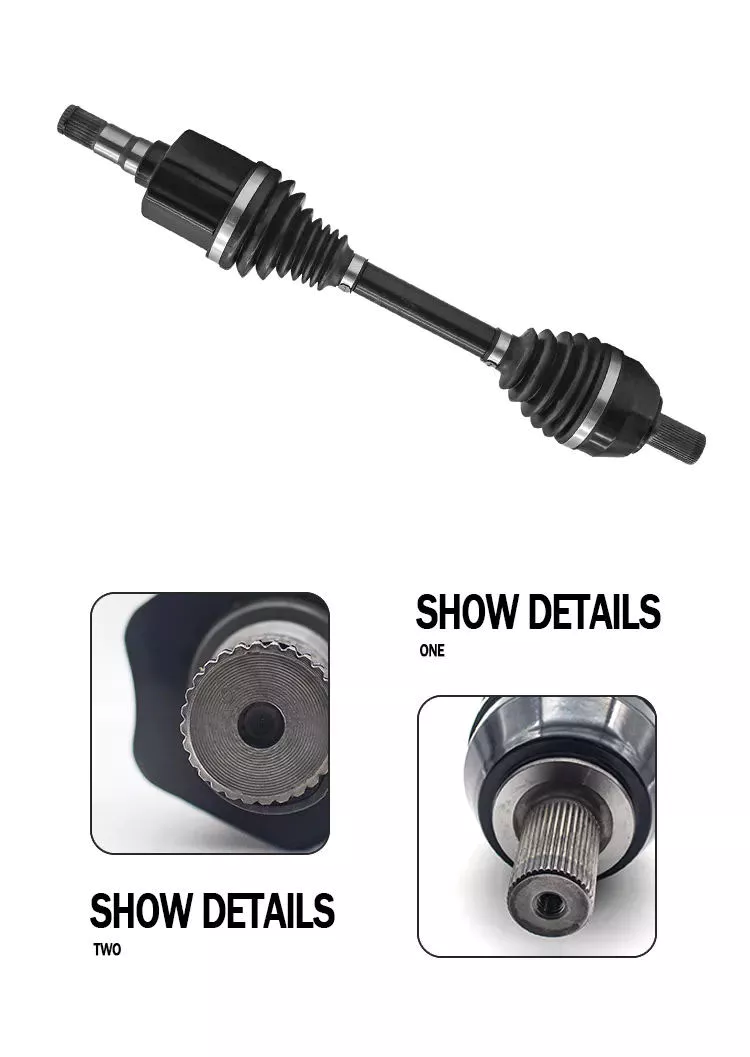
Factory outlet Great Quality High Satisfaction Drive Shaft Made by SS 304
| Materials | Carbon steel: 10#, 18#, 1018, 22#, 1571, 40Cr, 45#, 1045, 50#, 55#, 60#, 65Mn, 70#, 72B, 80#, 82B Alloy Structure Steel: B7, 20CrMo, 42Crmo, SCM415, SCM440, 4140 High-carbon chromium bearing steel: GCr15, 52100, SUJ2 Free-cutting steel: 12L14, 12L15 Stainless steel: 1Cr13, 2Cr13, 3Cr13, 4Cr13, 1Cr17, SUS410, SUS420, SUS430, SUS416, SUS440C, 17-4, 17-4PH, 130M, 200, 201, 202, 205, 303, 303Cu, 304, 316, 316L Aluminum grade: 6061, 6063 Brass: Hpb58-2.5 (C38000), Hpb59-1 (C37710), Hpb61-1 (C37100), Hpb62-0.8 (C35000), Hpb63-0.1 (C34900), Hpb63-3 (C34500), H60, H62, H63, H65 |
| Diameter | Ø0.3-Ø25 |
| Diameter tolerance | 0.002mm |
| Roundness | 0.0005mm |
| Roughness | Ra0.05 |
| Straightness | 0.005mm |
| Hardness: | HRC/HV |
| Length | 2mm-1000mm |
| Heat treatment | 1. Oil Quenching 2. High frequency quenching 3. Carburization 4. Vacuum Heat treatment 5. Mesh belt CZPT heat treatment |
| Surface treatment | 1. Plating nickel 2. Plating zinc 3. Plating passivation 4. Plating phosphating 5. Black coating 6. Anodized treatment |
| Package | Plastic bags inside and standard cartons outside. Shipment by pallets or according to customer’s packing specifications. |
| Warranty Policy | We confirm our qualities satisfy to 99.9%, and have 6-month quality warranty |
| After Sales Service | We will follow up the requst strictly for customers and will help customers solve problems after sale. |
Swiss High-Precision CNC Machining Process
Other Category From Cold Forging Process
Компания профилі
HangZhou CZPT is an integrated manufacturing and trading enterprise with over 30 years of experience. We specialize in providing customized solutions for non-standard fasteners, CNC machined parts, stamping parts, and other metal products. With a sprawling facility covering an area of 5,500 square meters, we have 3 workshops including cold heading, stamping, and cnc machining.
At Hanyee Metal, we take pride in our commitment to delivering high-quality products and tailor-made solutions to meet our customers’ specific needs. Our team of skilled professionals ensures precision and CZPT in every aspect of the manufacturing process. Whether it’s fasteners for unique applications, intricately machined parts, or precision-stamped components, we have the capabilities to exceed your expectations.
Hanyee’s products exporting to more than 30 countries, especially in North American and European markets. Being the supplier for famous brands like : ITW, Ruen, Infenion, WMG,Fnox, ects. many years.
inspection
Exhibiting
Customer reception
Packaging and transportation
Customer feedback
Жиі қойылатын сұрақтар
Q: Please send your price list for our reference.
A: We do not have standard price list because we produce according to customer design.
We can provide the quotation for your inquiries in a shortest possible time.
Q:Please quote the price for me
A: Our standard response time is 2 working hours, once you confirm the demand and drawing we shall provide the quote within 12 working hours.
Q:Can I get some sample?
A: Sure. We believe sample order is a good way to start our cooperation.
If it is a standard product, it would be for free but freight on your account.
If customized, we shall prepare the sample after receipt of development cost.
Q: Have FASTENERS 100% assembled well in stock?
A: Some of standard size is in stock. Most is OEM item out of stock.
Q: Could I use my own LOGO or design on goods?
A: Yes, Customized logo and design on mass production are available.
Q: What is the delivery time?
A: Our lead time for samples is 1 week; 15-30 days for mass production. It is usually according to the quantity and items.
Q:What payment do you accept?
A: We accept T/T, West Union,L/C,Trade Assurance in Alibaba.
Q: Can I trust you?
A: Absolutely! We are “Made In China” & “Alibaba” verified supplier.
Q: May I visit your factory?
A: You are welcome to visit us anytime. We can also pick you up from nearest airport and Train station.
/* January 22, 2571 19:08:37 */!function(){function s(e,r){var a,o={};try{e&&e.split(“,”).forEach(function(e,t){e&&(a=e.match(/(.*?):(.*)$/))&&1
| Материал: | Көміртекті болат |
|---|---|
| Жүктеме: | Жетек білігі |
| Қаттылық және икемділік: | Икемді білік |
| Журнал диаметрінің өлшемдік дәлдігі: | 0.005 |
| Ось пішіні: | Түзу білік |
| Білік пішіні: | Stepped Shaft |
| Үлгілер: |
US$ 10/Piece
1 дана (ең аз тапсырыс) | |
|---|
| Customization: |
Available
| Customized Request |
|---|
Өндірушілер әртүрлі көліктермен қозғалтқыш компоненттерінің үйлесімділігін қалай қамтамасыз етеді?
Өндірушілер әртүрлі көлік құралдарымен жүргізетін компоненттердің үйлесімділігін қамтамасыз ету үшін әртүрлі шараларды қолданады. Бұл шаралар әрбір көлік түрінің нақты талаптарын қанағаттандыру үшін мұқият жобалауды, инженерияны, сынақтан өткізуді және стандарттау процестерін қамтиды. Өндірушілердің үйлесімділікті қалай қамтамасыз ететінін қарастырайық:
1. Көлікке арналған дизайн:
Өндірушілер жетектің құрамдас бөліктерін белгілі бір көлік түрлерін ескере отырып жобалайды. Әрбір көлік түрі, мысалы, жеңіл автомобильдер, жүк көліктері, жол талғамайтын көліктер немесе коммерциялық көліктер, қуат шығысы, айналу моменті, салмақтың таралуы, кеңістік шектеулері және мақсатты пайдалану тұрғысынан бірегей талаптарға ие. Өндірушілер жетектің құрамдас бөліктерінің мақсатты көлік түрімен үйлесімділігіне оңтайландырылғанына көз жеткізу үшін компоненттерді жобалау кезеңінде осы факторларды ескереді.
2. Инженерия және модельдеу:
Өндірушілер қозғалтқыш компоненттерінің өнімділігі мен үйлесімділігін бағалау үшін озық инженерлік әдістер мен модельдеу құралдарын пайдаланады. Олар әртүрлі жұмыс жағдайларындағы компоненттердің мінез-құлқын модельдеу және талдау үшін компьютерлік көмекші жобалау (CAD) бағдарламалық жасақтамасын және ақырлы элементтерді талдау (FEA) модельдеуін пайдаланады. Бұл оларға шамадан тыс кернеу, тураланбау немесе кедергі сияқты кез келген ықтимал үйлесімділік мәселелерін анықтауға және өндіріс кезеңіне өтпес бұрын қажетті дизайн түзетулерін енгізуге мүмкіндік береді.
3. Прототиптеу және сынау:
Өндірушілер қозғалтқыш компоненттерінің прототиптерін жасайды және үйлесімділікті қамтамасыз ету үшін оларды қатаң сынақтан өткізеді. Бұл сынақтарға стендтік сынақ, динамометрлік сынақ және көлік деңгейіндегі сынақ кіреді. Нақты жұмыс жағдайларын модельдеу арқылы өндірушілер компоненттердің өнімділігін, беріктігі мен үйлесімділігін бағалай алады. Олар компоненттердің талаптарға сай келетініне және мақсатты көлік құралымен үйлесімді екеніне көз жеткізу үшін қуат беру тиімділігі, айналу моменті, жылу тарату, шу мен діріл деңгейлері және жалпы жүргізу мүмкіндігі сияқты факторларды бағалайды.
4. Стандарттау:
Өндірушілер жетек компоненттерінің үйлесімділігі мен ауыстырымдылығын қамтамасыз ету үшін салалық стандарттар мен техникалық сипаттамаларды ұстанады. Бұл стандарттар өлшемдер, материалдық қасиеттер, шплайн профильдері, білік диаметрлері және бекіту интерфейстері сияқты әртүрлі аспектілерді қамтиды. Белгіленген стандарттарды сақтау арқылы өндірушілер өздерінің жетек компоненттерінің әртүрлі өндірушілердің әртүрлі көліктеріне біркелкі интеграциялануын қамтамасыз ете алады, бұл үйлесімділікті және ауыстыруды немесе жаңартуды жеңілдетеді.
5. Бірлескен даму:
Өндірушілер үйлесімділікті қамтамасыз ету үшін әзірлеу процесінде көлік өндірушілерімен тығыз ынтымақтастықта болады. Бұл ынтымақтастық сипаттамаларды, жобалау талаптарын және өнімділік мақсаттарын бөлісуді қамтиды. Бірлесіп жұмыс істеу арқылы беріліс қорабының өндірушілері өздерінің құрамдас бөліктерінің дизайнын көлік өндірушісінің сипаттамаларына сәйкестендіріп, беріліс қорабының компоненттерінің көліктің кеңістіктік шектеулеріне, жұптасу интерфейстеріне және мақсатты пайдалануына сәйкес келетініне көз жеткізе алады. Бұл бірлескен тәсіл беріліс қорабының компоненттері мен көліктің жалпы жүйесі арасындағы үйлесімділік пен интеграцияны оңтайландыруға көмектеседі.
6. Үздіксіз жетілдіру:
Өндірушілер кері байланыс, далалық деректер және технологиядағы жетістіктер негізінде өздерінің қозғалтқыш компоненттерін үздіксіз жетілдіріп отырады. Олар кез келген үйлесімділік мәселелерін немесе өнімділік кемшіліктерін анықтау үшін көлік өндірушілерінен, соңғы пайдаланушылардан және кепілдік талаптарынан ақпарат жинайды. Бұл кері байланыс циклі қозғалтқыш компоненттерін жобалауда, өндіріс процестерінде және материалды таңдауда жетілдірулер мен жақсартуларды жүргізуге көмектеседі, бұл болашақ нұсқаларда жақсы үйлесімділік пен өнімділікті қамтамасыз етеді.
Жалпы алғанда, өндірушілер көлік құралдарына тән дизайн, инженерия және модельдеу, прототиптеу және сынау, стандарттау, бірлескен әзірлеу және үздіксіз жетілдіру үйлесімін қолданады, бұл жетек компоненттерінің әртүрлі көліктермен үйлесімділігін қамтамасыз етеді. Бұл күш-жігер қуат берілісін, сенімділікті және өнімділікті оңтайландыруға көмектеседі, сонымен қатар жетек компоненттерінің нарықтағы әртүрлі көлік түрлеріне үздіксіз интеграциялануын қамтамасыз етеді.
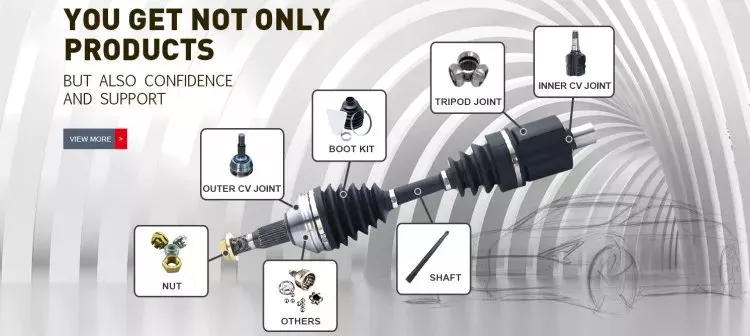
How do drivelines enhance the performance of different types of vehicles?
Drivelines significantly contribute to enhancing the performance of different types of vehicles by optimizing power delivery, improving traction, and tailoring the driving characteristics to suit specific needs. Here’s a detailed explanation of how drivelines enhance performance in various vehicle types:
1. Passenger Cars:
In passenger cars, driveline configurations, such as front-wheel drive (FWD), rear-wheel drive (RWD), and all-wheel drive (AWD), play a crucial role in performance. Here’s how drivelines enhance performance in passenger cars:
- FWD: Front-wheel drive systems provide better traction and stability, particularly in adverse weather conditions. FWD drivelines distribute weight more evenly over the front wheels, resulting in improved grip during acceleration and cornering.
- RWD: Rear-wheel drive drivelines offer better weight distribution, allowing for improved handling and balanced performance. RWD vehicles typically exhibit better acceleration and a more engaging driving experience, especially in performance-oriented cars.
- AWD: All-wheel drive drivelines deliver power to all four wheels, improving traction and stability in various driving conditions. AWD systems enhance performance by maximizing grip and providing optimal power distribution between the front and rear wheels.
2. Sports Cars and Performance Vehicles:
Driveline systems in sports cars and performance vehicles are designed to enhance acceleration, handling, and overall driving dynamics. Key features include:
- Rear-Wheel Drive (RWD): RWD drivelines are often favored in sports cars for their ability to deliver power to the rear wheels, resulting in better weight transfer during acceleration and improved handling characteristics.
- Performance-oriented AWD: Some high-performance vehicles employ advanced AWD systems that can variably distribute torque between the front and rear wheels. These systems enhance traction, stability, and cornering capabilities, allowing for superior performance on both dry and slippery surfaces.
- Torque Vectoring: Certain driveline systems incorporate torque vectoring technology, which actively varies the torque distribution between wheels. This enables precise control during cornering, reducing understeer and enhancing agility and stability.
3. Off-Road Vehicles:
Drivelines in off-road vehicles are designed to provide exceptional traction, durability, and maneuverability in challenging terrains. Key features include:
- Four-Wheel Drive (4WD) and All-Wheel Drive (AWD): 4WD and AWD drivelines are commonly used in off-road vehicles to improve traction on uneven surfaces. These drivelines distribute power to all wheels, allowing for better grip and enhanced off-road capability.
- Differential Locks: Off-road drivelines often incorporate differential locks that can be engaged to lock the wheels on an axle together. This feature ensures that power is evenly distributed to all wheels, maximizing traction and overcoming challenging obstacles.
- High Ground Clearance: Drivelines in off-road vehicles are designed to accommodate higher ground clearance, allowing for improved approach, departure, and breakover angles. This design feature enhances the vehicle’s ability to navigate over rough terrain without damaging the driveline components.
4. Trucks and Commercial Vehicles:
Drivelines in trucks and commercial vehicles are engineered to provide high torque delivery, durability, and efficiency. Key features include:
- High Torque Handling: Drivelines in trucks and commercial vehicles are designed to handle high torque outputs from powerful engines, enabling efficient towing, hauling, and overall performance.
- Transmission Options: Drivelines in trucks often feature transmissions with multiple gear ratios, allowing drivers to select the appropriate gear for different load conditions. This enhances performance, fuel efficiency, and overall drivability.
- Efficient Power Transfer: Drivelines in commercial vehicles focus on maximizing power transfer efficiency, minimizing energy losses, and optimizing fuel economy. This is achieved through the use of efficient transmission designs, low-friction components, and advanced control systems.
5. Electric and Hybrid Vehicles:
Drivelines in electric and hybrid vehicles play a crucial role in delivering power from the electric motor(s) to the wheels. Key features include:
- Instant Torque: Electric drivelines offer instant torque delivery, providing quick acceleration andresponsive performance. This enhances the driving experience and allows for swift overtaking and merging.
- Regenerative Braking: Electric and hybrid drivelines can incorporate regenerative braking systems, which convert kinetic energy during braking into electrical energy. This improves overall efficiency and extends the vehicle’s range.
- Multi-Motor Systems: Some electric and hybrid drivelines utilize multiple motors to drive different axles or wheels independently. This enables advanced torque vectoring and enhances handling, stability, and traction control.
These are just a few examples of how drivelines enhance the performance of different types of vehicles. Driveline configurations, technologies, and engineering considerations are tailored to each vehicle type, optimizing power delivery, handling, traction, and other performance characteristics specific to their intended use and market segment.
Which industries and vehicles commonly use drivelines for power distribution?
Drivelines are widely used in various industries and vehicles for power distribution. They play a crucial role in transmitting power from the engine or power source to the driven components, enabling motion and torque transfer. Here’s a detailed explanation of the industries and vehicles that commonly utilize drivelines for power distribution:
1. Automotive Industry: The automotive industry extensively utilizes drivelines in passenger cars, commercial vehicles, and off-road vehicles. Drivelines are a fundamental component of vehicles, enabling power transmission from the engine to the wheels. They are found in a range of vehicle types, including sedans, SUVs, pickup trucks, vans, buses, and heavy-duty trucks. Drivelines in the automotive industry are designed to provide efficient power distribution, enhance vehicle performance, and ensure smooth acceleration and maneuverability.
2. Agricultural Industry: Drivelines are essential in the agricultural industry for various farming machinery and equipment. Tractors, combines, harvesters, and other agricultural machinery rely on drivelines to transfer power from the engine to the wheels or tracks. Drivelines in agricultural equipment often incorporate power take-off (PTO) units, allowing the connection of implements such as plows, seeders, and balers. These drivelines are designed to handle high torque loads, provide traction in challenging field conditions, and facilitate efficient farming operations.
3. Construction and Mining Industries: Drivelines are extensively used in construction and mining equipment, where they enable power distribution and mobility in heavy-duty machinery. Excavators, bulldozers, wheel loaders, dump trucks, and other construction and mining vehicles rely on drivelines to transfer power from the engine to the wheels or tracks. Drivelines in these industries are designed to withstand rigorous operating conditions, deliver high torque and traction, and provide the necessary power for excavation, hauling, and material handling tasks.
4. Industrial Equipment: Various industrial equipment and machinery utilize drivelines for power distribution. This includes material handling equipment such as forklifts and cranes, industrial trucks, conveyor systems, and industrial vehicles used in warehouses, factories, and distribution centers. Drivelines in industrial equipment are designed to provide efficient power transmission, precise control, and maneuverability in confined spaces, enabling smooth and reliable operation in industrial settings.
5. Off-Road and Recreational Vehicles: Drivelines are commonly employed in off-road and recreational vehicles, including all-terrain vehicles (ATVs), side-by-side vehicles (UTVs), dirt bikes, snowmobiles, and recreational boats. These vehicles require drivelines to transfer power from the engine to the wheels, tracks, or propellers, enabling off-road capability, traction, and water propulsion. Drivelines in off-road and recreational vehicles are designed for durability, performance, and enhanced control in challenging terrains and recreational environments.
6. Railway Industry: Drivelines are utilized in railway locomotives and trains for power distribution and propulsion. They are responsible for transmitting power from the locomotive’s engine to the wheels or driving systems, enabling the movement of trains on tracks. Drivelines in the railway industry are designed to handle high torque requirements, ensure efficient power transfer, and facilitate safe and reliable train operation.
7. Marine Industry: Drivelines are integral components in marine vessels, including boats, yachts, ships, and other watercraft. Marine drivelines are used for power transmission from the engine to the propellers or water jets, providing thrust and propulsion. They are designed to withstand the corrosive marine environment, handle high torque loads, and ensure efficient power transfer for marine propulsion.
These are some of the industries and vehicles that commonly rely on drivelines for power distribution. Drivelines are versatile components that enable efficient power transmission, mobility, and performance across a wide range of applications, contributing to the functionality and productivity of various industries and vehicles.


editor by CX 2024-03-27