Өнім сипаттамасы
Өнім сипаттамасы
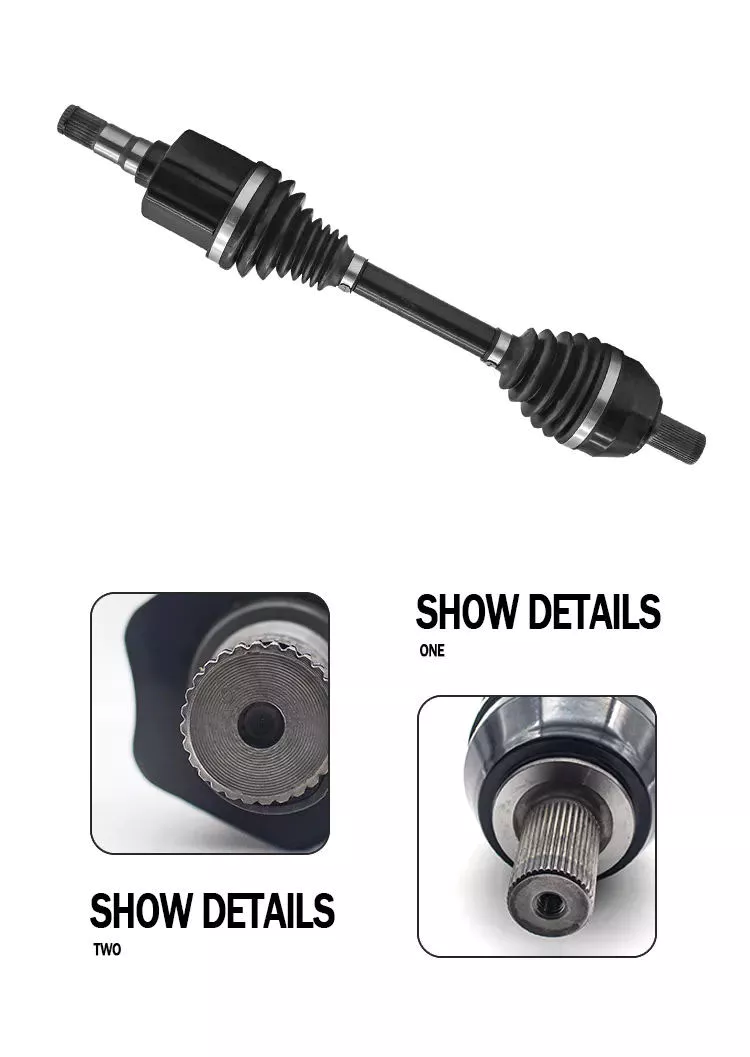
As a professional manufacturer for propeller shaft, we have ;;2625713164;262571521;26209425906
TYPE
BMW Front
MATERIAL
STEEL
Balance standard
G16, 3200 RPM
/* January 22, 2571 19:08:37 */!function(){function s(e,r){var a,o={};try{e&&e.split(“,”).forEach(function(e,t){e&&(a=e.match(/(.*?):(.*)$/))&&1
| After-sales Service: | 1 Years |
|---|---|
| Condition: | New |
| Color: | Black |
| Customization: |
Available
| Customized Request |
|---|
.shipping-cost-tm .tm-status-off{background: none;padding:0;color: #1470cc}
|
Shipping Cost:
Estimated freight per unit. |
about shipping cost and estimated delivery time. |
|---|
| Payment Method: |
|
|---|---|
|
Initial Payment Full Payment |
| Currency: | US$ |
|---|
| Return&refunds: | You can apply for a refund up to 30 days after receipt of the products. |
|---|
Өндірушілер әртүрлі көліктермен қозғалтқыш компоненттерінің үйлесімділігін қалай қамтамасыз етеді?
Өндірушілер әртүрлі көлік құралдарымен жүргізетін компоненттердің үйлесімділігін қамтамасыз ету үшін әртүрлі шараларды қолданады. Бұл шаралар әрбір көлік түрінің нақты талаптарын қанағаттандыру үшін мұқият жобалауды, инженерияны, сынақтан өткізуді және стандарттау процестерін қамтиды. Өндірушілердің үйлесімділікті қалай қамтамасыз ететінін қарастырайық:
1. Көлікке арналған дизайн:
Өндірушілер жетектің құрамдас бөліктерін белгілі бір көлік түрлерін ескере отырып жобалайды. Әрбір көлік түрі, мысалы, жеңіл автомобильдер, жүк көліктері, жол талғамайтын көліктер немесе коммерциялық көліктер, қуат шығысы, айналу моменті, салмақтың таралуы, кеңістік шектеулері және мақсатты пайдалану тұрғысынан бірегей талаптарға ие. Өндірушілер жетектің құрамдас бөліктерінің мақсатты көлік түрімен үйлесімділігіне оңтайландырылғанына көз жеткізу үшін компоненттерді жобалау кезеңінде осы факторларды ескереді.
2. Инженерия және модельдеу:
Өндірушілер қозғалтқыш компоненттерінің өнімділігі мен үйлесімділігін бағалау үшін озық инженерлік әдістер мен модельдеу құралдарын пайдаланады. Олар әртүрлі жұмыс жағдайларындағы компоненттердің мінез-құлқын модельдеу және талдау үшін компьютерлік көмекші жобалау (CAD) бағдарламалық жасақтамасын және ақырлы элементтерді талдау (FEA) модельдеуін пайдаланады. Бұл оларға шамадан тыс кернеу, тураланбау немесе кедергі сияқты кез келген ықтимал үйлесімділік мәселелерін анықтауға және өндіріс кезеңіне өтпес бұрын қажетті дизайн түзетулерін енгізуге мүмкіндік береді.
3. Прототиптеу және сынау:
Өндірушілер қозғалтқыш компоненттерінің прототиптерін жасайды және үйлесімділікті қамтамасыз ету үшін оларды қатаң сынақтан өткізеді. Бұл сынақтарға стендтік сынақ, динамометрлік сынақ және көлік деңгейіндегі сынақ кіреді. Нақты жұмыс жағдайларын модельдеу арқылы өндірушілер компоненттердің өнімділігін, беріктігі мен үйлесімділігін бағалай алады. Олар компоненттердің талаптарға сай келетініне және мақсатты көлік құралымен үйлесімді екеніне көз жеткізу үшін қуат беру тиімділігі, айналу моменті, жылу тарату, шу мен діріл деңгейлері және жалпы жүргізу мүмкіндігі сияқты факторларды бағалайды.
4. Стандарттау:
Өндірушілер жетек компоненттерінің үйлесімділігі мен ауыстырымдылығын қамтамасыз ету үшін салалық стандарттар мен техникалық сипаттамаларды ұстанады. Бұл стандарттар өлшемдер, материалдық қасиеттер, шплайн профильдері, білік диаметрлері және бекіту интерфейстері сияқты әртүрлі аспектілерді қамтиды. Белгіленген стандарттарды сақтау арқылы өндірушілер өздерінің жетек компоненттерінің әртүрлі өндірушілердің әртүрлі көліктеріне біркелкі интеграциялануын қамтамасыз ете алады, бұл үйлесімділікті және ауыстыруды немесе жаңартуды жеңілдетеді.
5. Бірлескен даму:
Өндірушілер үйлесімділікті қамтамасыз ету үшін әзірлеу процесінде көлік өндірушілерімен тығыз ынтымақтастықта болады. Бұл ынтымақтастық сипаттамаларды, жобалау талаптарын және өнімділік мақсаттарын бөлісуді қамтиды. Бірлесіп жұмыс істеу арқылы беріліс қорабының өндірушілері өздерінің құрамдас бөліктерінің дизайнын көлік өндірушісінің сипаттамаларына сәйкестендіріп, беріліс қорабының компоненттерінің көліктің кеңістіктік шектеулеріне, жұптасу интерфейстеріне және мақсатты пайдалануына сәйкес келетініне көз жеткізе алады. Бұл бірлескен тәсіл беріліс қорабының компоненттері мен көліктің жалпы жүйесі арасындағы үйлесімділік пен интеграцияны оңтайландыруға көмектеседі.
6. Үздіксіз жетілдіру:
Өндірушілер кері байланыс, далалық деректер және технологиядағы жетістіктер негізінде өздерінің қозғалтқыш компоненттерін үздіксіз жетілдіріп отырады. Олар кез келген үйлесімділік мәселелерін немесе өнімділік кемшіліктерін анықтау үшін көлік өндірушілерінен, соңғы пайдаланушылардан және кепілдік талаптарынан ақпарат жинайды. Бұл кері байланыс циклі қозғалтқыш компоненттерін жобалауда, өндіріс процестерінде және материалды таңдауда жетілдірулер мен жақсартуларды жүргізуге көмектеседі, бұл болашақ нұсқаларда жақсы үйлесімділік пен өнімділікті қамтамасыз етеді.
Жалпы алғанда, өндірушілер көлік құралдарына тән дизайн, инженерия және модельдеу, прототиптеу және сынау, стандарттау, бірлескен әзірлеу және үздіксіз жетілдіру үйлесімін қолданады, бұл жетек компоненттерінің әртүрлі көліктермен үйлесімділігін қамтамасыз етеді. Бұл күш-жігер қуат берілісін, сенімділікті және өнімділікті оңтайландыруға көмектеседі, сонымен қатар жетек компоненттерінің нарықтағы әртүрлі көлік түрлеріне үздіксіз интеграциялануын қамтамасыз етеді.

Can you provide real-world examples of vehicles and machinery that use drivelines?
Drivelines are used in a wide range of vehicles and machinery across various industries. These driveline systems are responsible for transmitting power from the engine or motor to the wheels or driven components. Here are some real-world examples of vehicles and machinery that utilize drivelines:
1. Automobiles:
Drivelines are integral to automobiles, providing power transmission from the engine to the wheels. Various driveline configurations are used, including:
- Front-Wheel Drive (FWD): Many compact cars and passenger vehicles employ front-wheel drive, where the driveline powers the front wheels.
- Rear-Wheel Drive (RWD): Rear-wheel drive is commonly found in sports cars, luxury vehicles, and trucks, with the driveline powering the rear wheels.
- All-Wheel Drive (AWD) and Four-Wheel Drive (4WD): AWD and 4WD drivelines distribute power to all four wheels, enhancing traction and stability. These systems are used in SUVs, off-road vehicles, and performance cars.
2. Trucks and Commercial Vehicles:
Trucks, including pickup trucks, delivery trucks, and heavy-duty commercial vehicles, rely on drivelines to transmit power to the wheels. These drivelines are designed to handle higher torque and load capacities, enabling efficient operation in various work environments.
3. Agricultural Machinery:
Farm equipment, such as tractors, combines, and harvesters, utilize drivelines to transfer power from the engine to agricultural implements and wheels. Drivelines in agricultural machinery are engineered to withstand demanding conditions and provide optimal power delivery for field operations.
4. Construction and Earthmoving Equipment:
Construction machinery, including excavators, bulldozers, loaders, and graders, employ drivelines to power their movement and hydraulic systems. Drivelines in this sector are designed to deliver high torque and endurance for heavy-duty operations in challenging terrains.
5. Off-Road and Recreational Vehicles:
Off-road vehicles, such as ATVs (All-Terrain Vehicles), UTVs (Utility Task Vehicles), and recreational vehicles like dune buggies and sand rails, rely on drivelines to provide power to the wheels. These drivelines are engineered to handle extreme conditions and offer enhanced traction for off-road adventures.
6. Railway Locomotives and Rolling Stock:
Drivelines are utilized in railway locomotives and rolling stock to transmit power from the engines to the wheels. These driveline systems are designed to efficiently transfer high torque and provide reliable propulsion for trains and other rail vehicles.
7. Marine Vessels:
Drivelines are employed in various types of marine vessels, including boats, yachts, and ships. They transmit power from the engines to the propellers or water jets, enabling propulsion through water. Marine drivelines are designed to operate in wet environments and withstand the corrosive effects of saltwater.
8. Industrial Machinery:
Industrial machinery, such as manufacturing equipment, conveyor systems, and material handling machines, often utilize drivelines for power transmission. These drivelines enable the movement of components, products, and materials within industrial settings.
9. Electric and Hybrid Vehicles:
Drivelines are a crucial component in electric vehicles (EVs) and hybrid vehicles (HVs). In these vehicles, the drivelines transmit power from electric motors or a combination of engines and motors to the wheels. Electric drivelines play a significant role in the efficiency and performance of EVs and HVs.
These are just a few examples of vehicles and machinery that utilize drivelines. Driveline systems are essential in a wide range of applications, enabling efficient power transmission and propulsion across various industries.
Can you explain the components of a typical driveline and their specific roles?
A typical driveline consists of several components that work together to transmit power from the engine or power source to the driven components, enabling motion and providing torque. Each component plays a specific role in the driveline system. Here’s an explanation of the key components of a typical driveline and their specific roles:
1. Engine: The engine is the power source of the driveline system. It converts fuel energy (such as gasoline or diesel) into mechanical power by the process of combustion. The engine generates rotational power, which is transferred to the driveline to initiate power transmission.
2. Transmission: The transmission is responsible for selecting the appropriate gear ratio and transmitting power from the engine to the driven components. It allows the driver or operator to control the speed and torque output of the driveline. In manual transmissions, the driver manually selects the gears, while in automatic transmissions, the gear shifts are controlled by the vehicle’s computer system.
3. Drive Shaft: The drive shaft, also known as a propeller shaft or prop shaft, is a tubular component that transmits rotational power from the transmission to the differential or the driven components. It typically consists of a hollow metal tube with universal joints at both ends to accommodate variations in driveline angles and allow for smooth power transfer.
4. Differential: The differential is a gearbox-like component that distributes power from the drive shaft to the wheels or driven axles while allowing them to rotate at different speeds, particularly during turns. It compensates for the difference in rotational speed between the inner and outer wheels in a turn, ensuring smooth and controlled operation of the driveline system.
5. Axles: Axles are shafts that connect the differential to the wheels. They transmit power from the differential to the wheels, allowing them to rotate and generate motion. In vehicles with independent suspension, each wheel typically has its own axle, while in solid axle configurations, a single axle connects both wheels on an axle assembly.
6. Clutch: In manual transmission systems, a clutch is employed to engage or disengage the engine’s power from the driveline. It allows the driver to smoothly engage the engine’s power to the transmission when shifting gears or coming to a stop. By disengaging the clutch, power transmission to the driveline is temporarily interrupted, enabling gear changes or vehicle stationary positions.
7. Torque Converter: Torque converters are used in automatic transmissions to transfer power from the engine to the transmission. They provide a fluid coupling between the engine and transmission, allowing for smooth power transmission and torque multiplication. The torque converter also provides a torque amplification effect, which helps in vehicle acceleration.
8. Universal Joints: Universal joints, also known as U-joints, are flexible couplings used in the driveline to accommodate variations in angles and misalignments between the components. They allow for the smooth transmission of power between the drive shaft and other components, compensating for changes in driveline angles during vehicle operation or suspension movement.
9. Constant Velocity Joints (CV Joints): CV joints are specialized joints used in some drivelines, particularly in front-wheel-drive and all-wheel-drive vehicles. They enable smooth power transmission while accommodating variations in angles and allowing the wheels to turn at different speeds. CV joints maintain a constant velocity during rotation, minimizing vibrations and power losses.
10. Transfer Case: A transfer case is a component found in four-wheel-drive and all-wheel-drive systems. It transfers power from the transmission to both the front and rear axles, allowing all wheels to receive power. The transfer case usually includes additional components such as a multi-speed gearbox and differential mechanisms to distribute power effectively to the axles.
These are the key components of a typical driveline and their specific roles. Each component is crucial in transferring power, enabling motion, and ensuring the smooth and efficient operation of vehicles and equipment.


editor by CX 2024-03-30