Өнім сипаттамасы
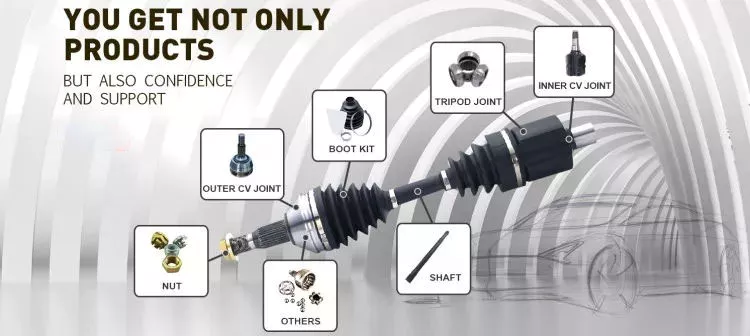
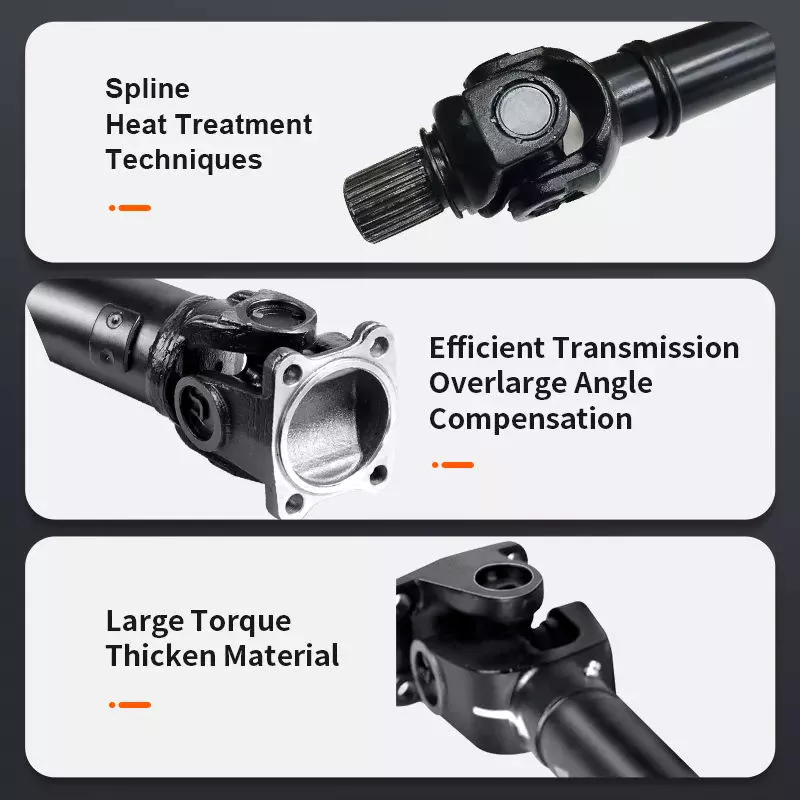
Our company produce more difference Russian car drive shafts and compoents, including to GAZ, MTZ, KAMAZ, UAZ, LADA, please contact us if you need anything.
/* January 22, 2571 19:08:37 */!function(){function s(e,r){var a,o={};try{e&&e.split(“,”).forEach(function(e,t){e&&(a=e.match(/(.*?):(.*)$/))&&1
| Condition: | New |
|---|---|
| Certification: | ISO |
| Type: | Universal Joint |
| Материал: | Alloy |
| Automatic: | Automatic |
| Transport Package: | Export Packing |
| Үлгілер: |
US$ 1/Piece
1 дана (ең аз тапсырыс) | |
|---|
| Customization: |
Available
| Customized Request |
|---|
What factors should be considered when designing an efficient driveline system?
Designing an efficient driveline system involves considering various factors that contribute to performance, reliability, and overall system efficiency. Here are the key factors that should be considered when designing an efficient driveline system:
1. Power Requirements:
The power requirements of the vehicle play a crucial role in designing an efficient driveline system. It is essential to determine the maximum power output of the engine and ensure that the driveline components can handle and transfer that power efficiently. Optimizing the driveline for the specific power requirements helps minimize energy losses and maximize overall efficiency.
2. Weight and Packaging:
The weight and packaging of the driveline components have a significant impact on system efficiency. Lightweight materials and compact design help reduce the overall weight of the driveline, which can improve fuel efficiency and vehicle performance. Additionally, efficient packaging ensures that driveline components are properly integrated, minimizing energy losses and maximizing available space within the vehicle.
3. Friction and Mechanical Losses:
Minimizing friction and mechanical losses within the driveline system is crucial for achieving high efficiency. Frictional losses occur at various points, such as bearings, gears, and joints. Selecting low-friction materials, optimizing lubrication systems, and implementing efficient bearing designs can help reduce these losses. Additionally, employing advanced gear designs, such as helical or hypoid gears, can improve gear mesh efficiency and reduce power losses.
4. Gear Ratios and Transmission Efficiency:
The selection of appropriate gear ratios and optimizing transmission efficiency greatly impacts driveline efficiency. Gear ratios should be chosen to match the vehicle’s power requirements, driving conditions, and desired performance characteristics. In addition, improving the efficiency of the transmission, such as reducing gear mesh losses and enhancing hydraulic or electronic control systems, can contribute to overall driveline efficiency.
5. Aerodynamic Considerations:
Aerodynamics play a significant role in a vehicle’s overall efficiency, including the driveline system. Reducing aerodynamic drag through streamlined vehicle design, efficient cooling systems, and appropriate underbody airflow management can enhance driveline efficiency by reducing the power required to overcome air resistance.
6. System Integration and Control:
Efficient driveline design involves seamless integration and control of various components. Employing advanced control systems, such as electronic control units (ECUs), can optimize driveline operation by adjusting power distribution, managing gear shifts, and optimizing torque delivery based on real-time driving conditions. Effective system integration ensures smooth communication and coordination between driveline components, improving overall efficiency.
7. Environmental Considerations:
Environmental factors should also be taken into account when designing an efficient driveline system. Considerations such as emissions regulations, sustainability goals, and the use of alternative power sources (e.g., hybrid or electric drivetrains) can influence driveline design decisions. Incorporating technologies like regenerative braking or start-stop systems can further enhance efficiency and reduce environmental impact.
8. Reliability and Durability:
Designing an efficient driveline system involves ensuring long-term reliability and durability. Selecting high-quality materials, performing thorough testing and validation, and considering factors such as thermal management and component durability help ensure that the driveline system operates efficiently over its lifespan.
By considering these factors during the design process, engineers can develop driveline systems that are optimized for efficiency, performance, and reliability, resulting in improved fuel economy, reduced emissions, and enhanced overall vehicle efficiency.
What safety precautions should be followed when working with driveline components?
Working with driveline components requires careful attention to safety to prevent accidents, injuries, and damage to equipment. Driveline components, such as transmissions, drive shafts, and differentials, can involve rotating parts, high torque, and heavy machinery, making it essential to follow proper safety precautions. Here are some important safety measures to consider when working with driveline components:
1. Personal Protective Equipment (PPE):
Always wear appropriate personal protective equipment, including safety glasses, gloves, and protective clothing. PPE helps protect against potential hazards such as flying debris, sharp edges, and contact with hot or moving parts. Use steel-toed safety boots to protect your feet from heavy objects or accidental impacts.
2. Lockout/Tagout:
Prior to working on driveline components, follow lockout/tagout procedures to ensure the equipment is properly shut down and isolated from its power source. Lockout/tagout involves disconnecting power, applying locks or tags to control switches, and verifying that the equipment is de-energized. This prevents accidental startup or release of stored energy that could cause serious injuries.
3. Vehicle/Equipment Stability:
Ensure that the vehicle or equipment is stable and securely supported before working on driveline components. Use appropriate jack stands or hoists to provide a stable and reliable support structure. Never rely solely on hydraulic jacks or unstable supports, as they can lead to accidents or equipment damage.
4. Proper Lifting Techniques:
When handling heavy driveline components, use proper lifting techniques to prevent strains or injuries. Lift with your legs, not your back, and get assistance when dealing with heavy or bulky components. Use mechanical lifting aids, such as hoists or cranes, when necessary to avoid overexertion or dropping components.
5. Component Inspection:
Prior to installation or maintenance, carefully inspect driveline components for any signs of damage, wear, or corrosion. Replace any worn or damaged parts to ensure safe and reliable operation. Follow the manufacturer’s guidelines and specifications for component inspection, maintenance, and replacement intervals.
6. Proper Tools and Equipment:
Use the correct tools and equipment for the job. Improper tools or makeshift solutions can lead to accidents, damaged components, or stripped fasteners. Follow the manufacturer’s recommendations for specialized tools or equipment needed for specific driveline components.
7. Follow Service Manuals and Procedures:
Refer to the relevant service manuals and follow proper procedures when working on driveline components. Service manuals provide step-by-step instructions, torque specifications, and safety precautions specific to the vehicle or equipment you are working on. Adhering to these guidelines ensures proper disassembly, installation, and adjustment of driveline components.
8. Proper Disposal of Fluids and Waste:
Dispose of fluids, such as oil or coolant, and waste materials in accordance with local regulations. Spilled fluids can create slip hazards, and improper disposal can harm the environment. Use appropriate containers and disposal methods as prescribed by local laws and regulations.
9. Training and Knowledge:
Ensure that individuals working with driveline components have received proper training and possess the necessary knowledge and skills. Inadequate training or lack of knowledge can lead to errors, accidents, or improper installation, compromising safety and performance.
10. Follow Workplace Safety Regulations:
Adhere to workplace safety regulations and guidelines established by relevant authorities. These regulations may include specific requirements for working with driveline components, such as safety standards, training requirements, and equipment certifications. Stay updated on safety regulations and ensure compliance to maintain a safe working environment.
By following these safety precautions, individuals can minimize the risk of accidents, injuries, and equipment damage when working with driveline components. Safety should always be a top priority to promote a secure and productive work environment.
Әртүрлі қолданбаларда электр берілісі мен қозғалысқа жетек желілері қалай үлес қосады?
Жетек жетегі автомобиль көліктерін, ауылшаруашылық техникасын, құрылыс жабдықтарын және өнеркәсіптік жүйелерді қоса алғанда, әртүрлі қолданбаларда қуат беру мен қозғалыста маңызды рөл атқарады. Олар қозғалтқыштан немесе қуат көзінен жетектегі компоненттерге қуат беру, қозғалысты қамтамасыз ету және нақты тапсырмаларды орындау үшін қажетті момент беру үшін жауап береді. Жетек жетегі әртүрлі қолданбаларда қуат беру мен қозғалысқа қалай үлес қосатыны туралы егжей-тегжейлі түсініктеме берілген:
1. Автокөлік құралдары: Жеңіл автомобильдерде, жүк көліктерінде және мотоциклдерде жетек жүйелері қозғалтқыштан дөңгелектерге қуат береді, бұл қозғалыс пен қозғалысты қамтамасыз етеді. Жетек жүйесі қозғалтқыш, беріліс қорабы, жетек біліктері, дифференциалдар және осьтер сияқты компоненттерден тұрады. Қозғалтқыш отын жағу арқылы қуат өндіреді және бұл қуат беріліс қорабына беріледі. Беріліс қорабы тиісті беріліс қатынасын таңдайды және қуатты жетек біліктеріне береді. Жетек біліктері қуатты дифференциалдарға береді, олар оны дөңгелектерге таратады. Доңғалақтар өз кезегінде айналу қуатын сызықтық қозғалысқа айналдырады, көлікті алға немесе артқа жылжытады.
2. Ауыл шаруашылығы техникасы: Жетек жетегі тракторлар, комбайндар және егін жинау комбайндары сияқты ауыл шаруашылығы техникасында кеңінен қолданылады. Бұл машиналар жер жырту, топырақ өңдеу, егу және жинау сияқты әртүрлі тапсырмаларды орындау үшін қуат беруді қажет етеді. Ауыл шаруашылығы техникасындағы жетегі әдетте қуатты алу (PTO) блогынан, жетек біліктерінен, беріліс қораптарынан және құрал біліктерінен тұрады. PTO блогы трактор қозғалтқышына қосылады және қуатты жетек біліктеріне береді. Жетек біліктері қуатты беріліс қораптарына береді, олар оны әрі қарай құрал біліктеріне таратады. Құрал біліктері нақты ауыл шаруашылығы құралдарын басқарады, бұл оларға өздерінің мақсатты функцияларын орындауға мүмкіндік береді.
3. Құрылыс жабдықтары: Жетек жетегі экскаваторлар, тиегіштер, бульдозерлер және крандар сияқты құрылыс техникасында өте маңызды. Бұл машиналар қазу, көтеру, итеру және тарту сияқты тапсырмаларды орындау үшін қуат беруді қажет етеді. Құрылыс техникасындағы жетегі әдетте қозғалтқыштан, беріліс қорабынан, жетек біліктерінен, гидравликалық жүйелерден және әртүрлі беріліс механизмдерінен тұрады. Қозғалтқыш қуат өндіреді, ол беріліс қорабына беріледі. Беріліс қорабы гидравликалық жүйелермен және беріліс механизмдерімен бірге жабдықтың әртүрлі компоненттерін басқару үшін қуатты түрлендіреді және басқарады, бұл оларға өздерінің нақты функцияларын орындауға мүмкіндік береді.
4. Өнеркәсіптік жүйелер: Жетек жетегі өнеркәсіптік жүйелер мен машиналарда, соның ішінде конвейерлік жүйелерде, өндірістік жабдықтарда және ауыр жүк көтеретін машиналарда кеңінен қолданылады. Бұл қолданбалар материалдарды өңдеу, өңдеу және өндіру үшін қуат беруді қажет етеді. Өнеркәсіптік жүйелердегі жетегі көбінесе электр қозғалтқыштарын, беріліс қораптарын, жетек біліктерін, муфталарды және жетекті компоненттерді қамтиды. Электр қозғалтқышы айналмалы қуатты қамтамасыз етеді, ол машиналарды немесе конвейерлерді басқару үшін жетек жетегі компоненттері арқылы беріледі, бұл өнеркәсіптік жүйеде қажетті қозғалыс пен қуат беруді жеңілдетеді.
5. Электр энергиясын өндіру: Жетек желілері генераторлар мен турбиналар сияқты электр энергиясын өндіру қолданбаларында да қолданылады. Бұл жүйелер механикалық энергияны электр энергиясына айналдыру үшін қуат беруді қажет етеді. Электр энергиясын өндірудегі жетек желісі көбінесе генераторға қосылған іштен жану қозғалтқышы немесе бу турбинасы сияқты негізгі қозғалтқыштан тұрады. Муфталар, беріліс қораптары және жетек біліктері сияқты жетек жүйесінің компоненттері негізгі қозғалтқыштан айналмалы қуатты генераторға береді, ол оны электр қуатына айналдырады.
6. Теңіз және аэроғарыштық қолданыстар: Жетек жетегі теңіз кемелерінде және аэроғарыштық жүйелерде қозғалыс пен қозғалысты жеңілдету үшін қолданылады. Теңіз қолданбаларында жетек жетегі қозғалтқыштардан немесе турбиналардан қуатты пропеллерлерге немесе су ағындарына береді, бұл кеменің су арқылы қозғалуына мүмкіндік береді. Аэроғарыштық қолданбаларда жетек жетегі қозғалтқыштардан қуатты роторлар немесе пропеллерлер сияқты әртүрлі компоненттерге береді, бұл ұшу үшін қажетті тарту күшін қамтамасыз етеді.
Қорытындылай келе, жетек желілері кең ауқымды қолданбаларда қуат беру мен қозғалыстың ажырамас бөлігі болып табылады. Олар қуатты қозғалтқыштан немесе қуат көзінен жетектегі компоненттерге беруге мүмкіндік береді, бұл айналу моментін жасауға және нақты тапсырмаларды орындауға мүмкіндік береді. Жетек желілері автомобиль көліктерінде, ауыл шаруашылығы техникасында, құрылыс жабдықтарында, өнеркәсіптік жүйелерде, қуат өндіруде, теңіз және аэроғарыш салаларында маңызды рөл атқарады, тиімді қуат беру, қозғалыс және осы әртүрлі жүйелердің жалпы функционалдығына ықпал етеді.


editor by CX 2024-04-15