Өнім сипаттамасы
Компания профилі
—–ABOUT US—–
Focuses on the research, development, production, sales and service of fasteners, precision hardware parts and various metal products.
HangZhou CZPT CZPT Technology Co., Ltd. was established on March 1, 2016. It is located in Xihu (West Lake) Dis.ang District, HangZhou City, ZheJiang Province. It covers an area of 5600 square CZPT and focuses on the research, development, production, sales and service of fasteners, precision hardware parts and various metal products. The processed products are mainly cold heading, forging, precision turning, milling, assembly, stamping, supplemented by extrusion, upsetting and casting. In addition, we also have rich experience in anodizing, electroplating and heat treatment.
Өнім параметрлері
| No. | Item | Specifications |
| 1 | Materials | Carbon steel: 12L15, 45#, 42CrMo; Stainless steel: 303, 304, 316, 420, 630; Aluminum alloy: 6061, 6063, 5052, 7075; Copper alloy: brass H58-H63, phosphor bronze, beryllium copper; Pure copper: T0 oxygen-free copper, T2 red copper; Plastics: nylon, bakelite, POM, PEEK; |
| 2 | Diameter | Ø0.3-Ø50 |
| 3 | Diameter tolerance | 0.005mm |
| 4 | Hardness: | HRC/HV |
| 5 | Length | 0.5mm-500mm |
| 6 | Heat treatment | Oil Quenching High frequency quenching Carburization Vacuum Heat treatment Mesh belt CZPT heat treatment |
| 7 | Surface treatment | Electrolytic plating (barrel plating, rack plating); Electroless plating (nickel plating); Ordinary sandblasting and anodizing (black, silver, gray, gold, red) Plastic spraying, spraying metal paint, etc.; |
Work Shop
Сертификаттар
Research & Development
Development intervention
Development ability
Cost accounting
Quality control
Production feasibility assessment
Project landing
Assembly service
Complex project decomposition & optimization capabilities
Quick sample
Optimization of the mold plan for mass products
Product Category
Precision turning parts
Precision machining parts
Special requirements appearance parts
Presentative Brand
Why Choose Us?
Create value for customers
Support + Service + Made in China + Technological Innovation = Solution
★ Project management, solutions
★ Quickly designing and sampling
★ New product development, technological breakthrough
★ Component and machine assembly service
Engineering capabilities
★Development intervention
★Development ability
Cost accounting
Quality control
Production feasibility assessment
Project landing
Assembly service
★Complex project decomposition & optimization capabilities
★Quick sample
★Optimization of the mold plan for mass products /* January 22, 2571 19:08:37 */!function(){function s(e,r){var a,o={};try{e&&e.split(“,”).forEach(function(e,t){e&&(a=e.match(/(.*?):(.*)$/))&&1
| Материал: | Alloy Steel |
|---|---|
| Жүктеме: | Жетек білігі |
| Қаттылық және икемділік: | Stiffness / Rigid Axle |
| Customization: |
Available
| Customized Request |
|---|
.shipping-cost-tm .tm-status-off{background: none;padding:0;color: #1470cc}
|
Shipping Cost:
Estimated freight per unit. |
about shipping cost and estimated delivery time. |
|---|
| Payment Method: |
|
|---|---|
|
Initial Payment Full Payment |
| Currency: | US$ |
|---|
| Return&refunds: | You can apply for a refund up to 30 days after receipt of the products. |
|---|
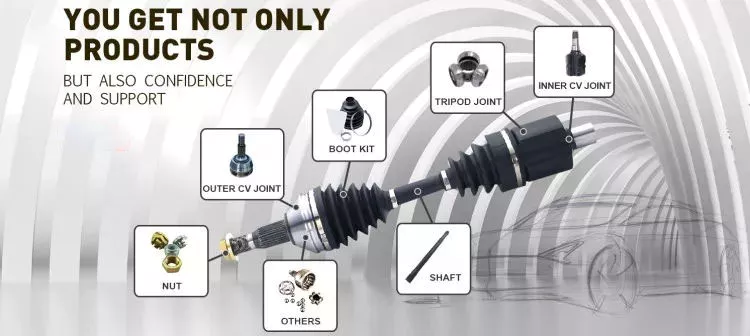
What factors should be considered when designing an efficient driveline system?
Designing an efficient driveline system involves considering various factors that contribute to performance, reliability, and overall system efficiency. Here are the key factors that should be considered when designing an efficient driveline system:
1. Power Requirements:
The power requirements of the vehicle play a crucial role in designing an efficient driveline system. It is essential to determine the maximum power output of the engine and ensure that the driveline components can handle and transfer that power efficiently. Optimizing the driveline for the specific power requirements helps minimize energy losses and maximize overall efficiency.
2. Weight and Packaging:
The weight and packaging of the driveline components have a significant impact on system efficiency. Lightweight materials and compact design help reduce the overall weight of the driveline, which can improve fuel efficiency and vehicle performance. Additionally, efficient packaging ensures that driveline components are properly integrated, minimizing energy losses and maximizing available space within the vehicle.
3. Friction and Mechanical Losses:
Minimizing friction and mechanical losses within the driveline system is crucial for achieving high efficiency. Frictional losses occur at various points, such as bearings, gears, and joints. Selecting low-friction materials, optimizing lubrication systems, and implementing efficient bearing designs can help reduce these losses. Additionally, employing advanced gear designs, such as helical or hypoid gears, can improve gear mesh efficiency and reduce power losses.
4. Gear Ratios and Transmission Efficiency:
The selection of appropriate gear ratios and optimizing transmission efficiency greatly impacts driveline efficiency. Gear ratios should be chosen to match the vehicle’s power requirements, driving conditions, and desired performance characteristics. In addition, improving the efficiency of the transmission, such as reducing gear mesh losses and enhancing hydraulic or electronic control systems, can contribute to overall driveline efficiency.
5. Aerodynamic Considerations:
Aerodynamics play a significant role in a vehicle’s overall efficiency, including the driveline system. Reducing aerodynamic drag through streamlined vehicle design, efficient cooling systems, and appropriate underbody airflow management can enhance driveline efficiency by reducing the power required to overcome air resistance.
6. System Integration and Control:
Efficient driveline design involves seamless integration and control of various components. Employing advanced control systems, such as electronic control units (ECUs), can optimize driveline operation by adjusting power distribution, managing gear shifts, and optimizing torque delivery based on real-time driving conditions. Effective system integration ensures smooth communication and coordination between driveline components, improving overall efficiency.
7. Environmental Considerations:
Environmental factors should also be taken into account when designing an efficient driveline system. Considerations such as emissions regulations, sustainability goals, and the use of alternative power sources (e.g., hybrid or electric drivetrains) can influence driveline design decisions. Incorporating technologies like regenerative braking or start-stop systems can further enhance efficiency and reduce environmental impact.
8. Reliability and Durability:
Designing an efficient driveline system involves ensuring long-term reliability and durability. Selecting high-quality materials, performing thorough testing and validation, and considering factors such as thermal management and component durability help ensure that the driveline system operates efficiently over its lifespan.
By considering these factors during the design process, engineers can develop driveline systems that are optimized for efficiency, performance, and reliability, resulting in improved fuel economy, reduced emissions, and enhanced overall vehicle efficiency.

Қозғалтқыш жүйесінің компоненттерін көліктің немесе жабдықтың нақты талаптарына сәйкес реттеуге бола ма?
Иә, жетектің құрамдас бөліктерін көліктің немесе жабдықтың нақты талаптарына сәйкес келтіруге болады. Өндірушілер мен жеткізушілер оңтайлы өнімділікті, үйлесімділікті және әртүрлі көліктермен немесе жабдықтармен интеграцияны қамтамасыз ету үшін теңшеудің бірқатар нұсқаларын ұсынады. Теңшеу жетектің құрамдас бөліктерін белгілі бір қуат блогының конфигурацияларына, жұмыс жағдайларына, момент талаптарына және кеңістік шектеулеріне бейімдеуге мүмкіндік береді. Жетектің құрамдас бөліктерін теңшеудің егжей-тегжейлерін қарастырайық:
1. Қуат блогының конфигурациясы:
Жетек жүйесінің компоненттерін әртүрлі қуат беру жүйесінің конфигурацияларына бейімдеуге болады. Алдыңғы жетекті, артқы жетекті немесе толық жетекті жүйе болсын, өндірушілер белгілі бір конфигурацияның қажетті қуатты бөлу және момент беру сипаттамаларына сәйкес келетін дифференциалдар, беріліс қораптары және жетек біліктері сияқты нақты компоненттерді жобалап, ұсына алады.
2. Айналдыру моменті сыйымдылығы:
Қозғалтқыш жүйесінің компоненттерін белгілі бір момент талаптарын орындау үшін теңшеуге болады. Әр түрлі көліктерде немесе жабдықтарда олардың қолданылуына байланысты әртүрлі момент шығыстары болуы мүмкін. Өндірушілер жолаушылар көліктерінен бастап ауыр жүк көліктеріне немесе техникаға дейінгі әртүрлі қолданбалар үшін сенімді және тиімді қуат берілуін қамтамасыз ету үшін әртүрлі момент басқару мүмкіндіктері бар қозғалтқыш жүйесінің компоненттерін жасап шығара алады.
3. Өлшемі және конфигурациясы:
Қозғалтқыштың құрамдас бөліктерін әртүрлі көлік құралдарының немесе жабдықтардың кеңістік шектеулеріне сәйкес келетіндей етіп өлшемі, пішіні және конфигурациясы бойынша реттеуге болады. Өндірушілер әрбір қолданбаның шектеулі кеңістік немесе арнайы орнату талаптары сияқты бірегей қаптама шектеулері болуы мүмкін екенін түсінеді. Теңшеу арқылы қозғалтқыштың құрамдас бөліктерін осы нақты өлшемдік және қаптама шектеулеріне сәйкес келетіндей етіп жобалауға және өндіруге болады.
4. Материалды таңдау:
Қозғалтқыш компоненттеріне арналған материалдарды таңдау қажетті беріктік, салмақ және төзімділік сипаттамаларына негізделіп реттелуі мүмкін. Әртүрлі көліктер немесе жабдықтар өнімділікті оңтайландыру үшін белгілі бір материалдық қасиеттерді талап етуі мүмкін, мысалы, отын тиімділігін арттыру үшін жеңіл материалдар немесе ауыр жүктемелерге арналған жоғары беріктік қорытпалары. Өндірушілер нақты өнімділік және пайдалану талаптарына сай келетін материалдармен теңшелген қозғалтқыш компоненттерін ұсына алады.
5. Өнімділікті оңтайландыру:
Жетек жүйесінің құрамдас бөліктерін белгілі бір қолданбаларда өнімділікті оңтайландыру үшін теңшеуге болады. Өндірушілер көлік құралының немесе жабдықтың мақсатты пайдаланылуына байланысты үдеуді, тарту күшін, тиімділікті немесе нақты өнімділік атрибуттарын жақсарту үшін беріліс коэффициенттері, дифференциалды конфигурациялар немесе ілінісу сипаттамалары сияқты аспектілерді өзгерте алады. Бұл теңшеу жетегі жүйесінің құрамдас бөліктерінің нақты қолданба үшін қажетті өнімділік сипаттамаларын қамтамасыз ету үшін бейімделуін қамтамасыз етеді.
6. Мамандандырылған қолданбалар:
Жол талғамайтын көліктер, жарыс автомобильдері немесе өнеркәсіптік техника сияқты мамандандырылған қолданбалар үшін жетек компоненттерін сол орталардың бірегей талаптарын қанағаттандыру үшін одан әрі теңшеуге болады. Өндірушілер экстремалды жағдайларға немесе ауыр жұмыс жүктемелеріне төтеп беру үшін жақсартылған салқындату, күшейтілген конструкция немесе момент сыйымдылығын арттыру сияқты мүмкіндіктері бар мамандандырылған жетек компоненттерін жасай алады.
Жалпы алғанда, жетек компоненттерін теңшеу өндірушілерге әртүрлі көліктердің немесе жабдықтардың нақты талаптарын қанағаттандыруға мүмкіндік береді. Қуат блогының конфигурациясынан бастап, айналу моментінің сыйымдылығына, өлшемі мен конфигурациясына, материалды таңдауға, өнімділікті оңтайландыруға және мамандандырылған қолданбаларға дейін, теңшеу жетек компоненттерінің қажетті өнімділікке, үйлесімділікке және белгілі бір көліктермен немесе жабдықтармен интеграцияға қол жеткізу үшін дәл жобаланғанын және жасалғанын қамтамасыз етеді.

What benefits do drivelines offer for different types of vehicles and equipment?
Drivelines offer several benefits for different types of vehicles and equipment across various industries. They play a critical role in power transmission, mobility, efficiency, and overall performance. Here’s a detailed explanation of the benefits drivelines offer for different types of vehicles and equipment:
1. Power Transmission: Drivelines are designed to efficiently transmit power from the engine or power source to the driven components, such as wheels, tracks, implements, or machinery. They ensure the smooth transfer of torque, allowing vehicles and equipment to generate the necessary power for propulsion, lifting, hauling, or other tasks. By effectively transmitting power, drivelines maximize the performance and productivity of vehicles and equipment.
2. Mobility and Maneuverability: Drivelines enable vehicles and equipment to achieve mobility and maneuverability across various terrains and working conditions. By transmitting power to the wheels or tracks, drivelines provide the necessary traction and control to overcome obstacles, navigate uneven surfaces, and operate in challenging environments. They contribute to the overall stability, handling, and agility of vehicles and equipment, allowing them to move efficiently and safely.
3. Versatility and Adaptability: Drivelines offer versatility and adaptability for different types of vehicles and equipment. They can be designed and configured to meet specific requirements, such as front-wheel drive, rear-wheel drive, four-wheel drive, or all-wheel drive systems. This flexibility allows vehicles and equipment to adapt to various operating conditions, including normal roads, off-road terrains, agricultural fields, construction sites, or industrial facilities. Drivelines also accommodate different power sources, such as internal combustion engines, electric motors, or hybrid systems, enhancing the adaptability of vehicles and equipment.
4. Efficiency and Fuel Economy: Drivelines contribute to efficiency and fuel economy in vehicles and equipment. They optimize power transmission by utilizing appropriate gear ratios, minimizing energy losses, and improving overall system efficiency. Drivelines with advanced technologies, such as continuously variable transmissions (CVTs) or automated manual transmissions (AMTs), can further enhance efficiency by continuously adjusting gear ratios based on load and speed conditions. Efficient driveline systems help reduce fuel consumption, lower emissions, and maximize the operational range of vehicles and equipment.
5. Load Carrying Capacity: Drivelines are designed to handle and transmit high torque and power, enabling vehicles and equipment to carry heavy loads. They incorporate robust components, such as heavy-duty axles, reinforced drive shafts, and durable differentials, to withstand the demands of load-bearing applications. Drivelines ensure the reliable transmission of power, allowing vehicles and equipment to transport materials, tow trailers, or carry payloads efficiently and safely.
6. Safety and Control: Drivelines contribute to safety and control in vehicles and equipment. They enable precise control over acceleration, deceleration, and speed, enhancing driver or operator confidence and maneuverability. Drivelines with features like traction control systems, limited-slip differentials, or electronic stability control provide additional safety measures by improving traction, stability, and handling in challenging road or operating conditions. By ensuring optimal power distribution and control, drivelines enhance the overall safety and stability of vehicles and equipment.
7. Durability and Reliability: Drivelines are built to withstand harsh operating conditions and provide long-term durability and reliability. They are engineered with high-quality materials, precise manufacturing processes, and advanced technologies to ensure the driveline components can endure the stresses of power transmission. Well-designed drivelines require minimal maintenance, reducing downtime and enhancing the overall reliability of vehicles and equipment.
8. Specialized Functionality: Drivelines offer specialized functionality for specific types of vehicles and equipment. For example, in off-road vehicles or heavy-duty construction equipment, drivelines with features like differential locks, torque vectoring, or adjustable suspension systems provide enhanced traction, stability, and control. In agricultural machinery, drivelines with power take-off (PTO) units enable the connection of various implements for specific tasks like plowing, seeding, or harvesting. Such specialized driveline features enhance the performance and versatility of vehicles and equipment in their respective applications.
In summary, drivelines provide numerous benefits for different types of vehicles and equipment. They ensure efficient power transmission, facilitate mobility and maneuverability, offer versatility and adaptability, contribute to efficiency and fuel economy, handle heavy loads, enhance safety and control, provide durability and reliability, and offer specialized functionality. By incorporating well-designed drivelines, manufacturers can optimize the performance, productivity, and overall functionality of vehicles and equipment across various industries.


editor by CX 2024-05-14