Өнім сипаттамасы
You can kindly find the specification details below:
HangZhou Mastery Machinery Technology Co., LTD helps manufacturers and brands fulfill their machinery parts by precision manufacturing. High precision machinery products like the shaft, worm screw, bushing, couplings, joints……Our products are used widely in electronic motors, the main shaft of the engine, the transmission shaft in the gearbox, couplers, printers, pumps, drones, and so on. They cater to different industries, including automotive, industrial, power tools, garden tools, healthcare, smart home, etc.
Mastery caters to the industrial industry by offering high-level Cardan shafts, pump shafts, and a bushing that come in different sizes ranging from diameter 3mm-50mm. Our products are specifically formulated for transmissions, robots, gearboxes, industrial fans, and drones, etc.
Mastery factory currently has more than 100 main production equipment such as CNC lathe, CNC machining center, CAM Automatic Lathe, grinding machine, hobbing machine, etc. The production capacity can be up to 5-micron mechanical tolerance accuracy, automatic wiring machine processing range covering 3mm-50mm diameter bar.
Key Specifications:
| Name | Shaft/Motor Shaft/Drive Shaft/Gear Shaft/Pump Shaft/Worm Screw/Worm Gear/Bushing/Ring/Joint/Pin |
| Material | 40Cr/35C/GB45/70Cr/40CrMo |
| Process | Machining/Lathing/Milling/Drilling/Grinding/Polishing |
| Өлшемі | 2-400mm(Customized) |
| Diameter | φ12(Customized) |
| Diameter Tolerance | 0.008mm |
| Roundness | 0.01mm |
| Roughness | Ra0.4 |
| Straightness | 0.01mm |
| Hardness | Customized |
| Length | 32mm(Customized) |
| Heat Treatment | Customized |
| Surface treatment | Coating/Ni plating/Zn plating/QPQ/Carbonization/Quenching/Black Treatment/Steaming Treatment/Nitrocarburizing/Carbonitriding |
Quality Management:
- Raw Material Quality Control: Chemical Composition Analysis, Mechanical Performance Test, ROHS, and Mechanical Dimension Check
- Production Process Quality Control: Full-size inspection for the 1st part, Critical size process inspection, SPC process monitoring
- Lab ability: CMM, OGP, XRF, Roughness meter, Profiler, Automatic optical inspector
- Quality system: ISO9001, IATF 16949, ISO14001
- Eco-Friendly: ROHS, Reach.
Packaging and Shipping:
Throughout the entire process of our supply chain management, consistent on-time delivery is vital and very important for the success of our business.
Mastery utilizes several different shipping methods that are detailed below:
For Samples/Small Q’ty: By Express Services or Air Fright.
For Formal Order: By Sea or by air according to your requirement.
Mastery Services:
- One-Stop solution from idea to product/ODM&OEM acceptable
- Individual research and sourcing/purchasing tasks
- Individual supplier management/development, on-site quality check projects
- Muti-varieties/small batch/customization/trial orders are acceptable
- Flexibility on quantity/Quick samples
- Forecast and raw material preparation in advance are negotiable
- Quick quotes and quick responses
General Parameters:
If you are looking for a reliable machinery product partner, you can rely on Mastery. Work with us and let us help you grow your business using our customizable and affordable products. /* January 22, 2571 19:08:37 */!function(){function s(e,r){var a,o={};try{e&&e.split(“,”).forEach(function(e,t){e&&(a=e.match(/(.*?):(.*)$/))&&1
| Материал: | Көміртекті болат |
|---|---|
| Жүктеме: | Жетек білігі |
| Қаттылық және икемділік: | Stiffness / Rigid Axle |
| Журнал диаметрінің өлшемдік дәлдігі: | IT6-IT9 |
| Ось пішіні: | Түзу білік |
| Білік пішіні: | Нақты ось |
| Customization: |
Available
| Customized Request |
|---|
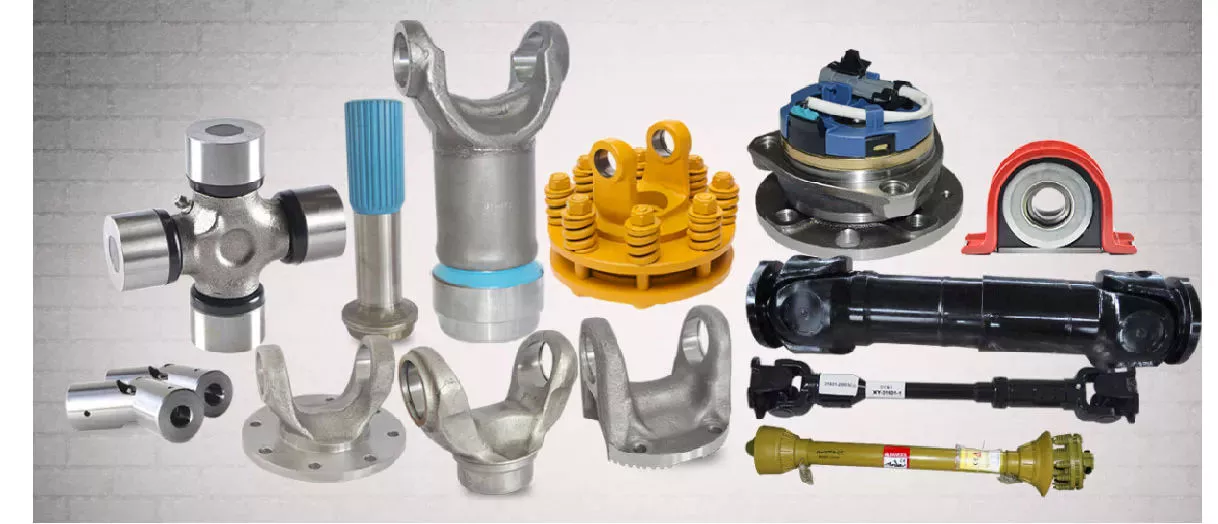
Are there different types of driveline configurations based on vehicle type?
Yes, there are different types of driveline configurations based on the type of vehicle. Driveline configurations vary depending on factors such as the vehicle’s propulsion system, drivetrain layout, and the number of driven wheels. Here’s a detailed explanation of the driveline configurations commonly found in different vehicle types:
1. Front-Wheel Drive (FWD):
In front-wheel drive vehicles, the driveline configuration involves the engine’s power being transmitted to the front wheels. The engine, transmission, and differential are typically integrated into a single unit called a transaxle, which is located at the front of the vehicle. This configuration simplifies the drivetrain layout, reduces weight, and improves fuel efficiency. Front-wheel drive is commonly found in passenger cars, compact cars, and some crossover SUVs.
2. Rear-Wheel Drive (RWD):
Rear-wheel drive vehicles have their driveline configuration where the engine’s power is transmitted to the rear wheels. In this setup, the engine is located at the front of the vehicle, and the drivetrain components, including the transmission and differential, are positioned at the rear. Rear-wheel drive provides better weight distribution, improved handling, and enhanced performance characteristics, making it popular in sports cars, luxury vehicles, and large trucks.
3. All-Wheel Drive (AWD) and Four-Wheel Drive (4WD):
All-wheel drive and four-wheel drive driveline configurations involve power being transmitted to all four wheels of the vehicle. These configurations provide better traction and handling in various driving conditions, particularly on slippery or off-road surfaces. AWD systems distribute power automatically between the front and rear wheels, while 4WD systems are often manually selectable and include a transfer case for shifting between 2WD and 4WD modes. AWD and 4WD configurations are commonly found in SUVs, crossovers, trucks, and off-road vehicles.
4. Front Engine, Rear-Wheel Drive (FR) and Rear Engine, Rear-Wheel Drive (RR):
In certain performance vehicles and sports cars, driveline configurations may involve a front engine with rear-wheel drive (FR) or a rear engine with rear-wheel drive (RR). FR configurations have the engine located at the front of the vehicle, transmitting power to the rear wheels. RR configurations have the engine located at the rear, driving the rear wheels. These configurations provide excellent balance, weight distribution, and handling characteristics, resulting in enhanced performance and driving dynamics.
5. Other Configurations:
There are also various specialized driveline configurations based on specific vehicle types and applications:
- Mid-Engine: Some high-performance sports cars and supercars feature a mid-engine configuration, where the engine is positioned between the front and rear axles. This configuration offers exceptional balance, handling, and weight distribution.
- Front-Engine, Front-Wheel Drive (FF): While less common, certain compact and economy cars employ a front-engine, front-wheel drive configuration. This layout simplifies packaging and interior space utilization.
- Part-Time 4WD: In certain off-road vehicles, there may be a part-time 4WD driveline configuration. These vehicles typically operate in 2WD mode but can engage 4WD when additional traction is needed.
These are some of the driveline configurations commonly found in different vehicle types. The choice of driveline configuration depends on factors such as the vehicle’s intended use, performance requirements, handling characteristics, and specific design considerations.
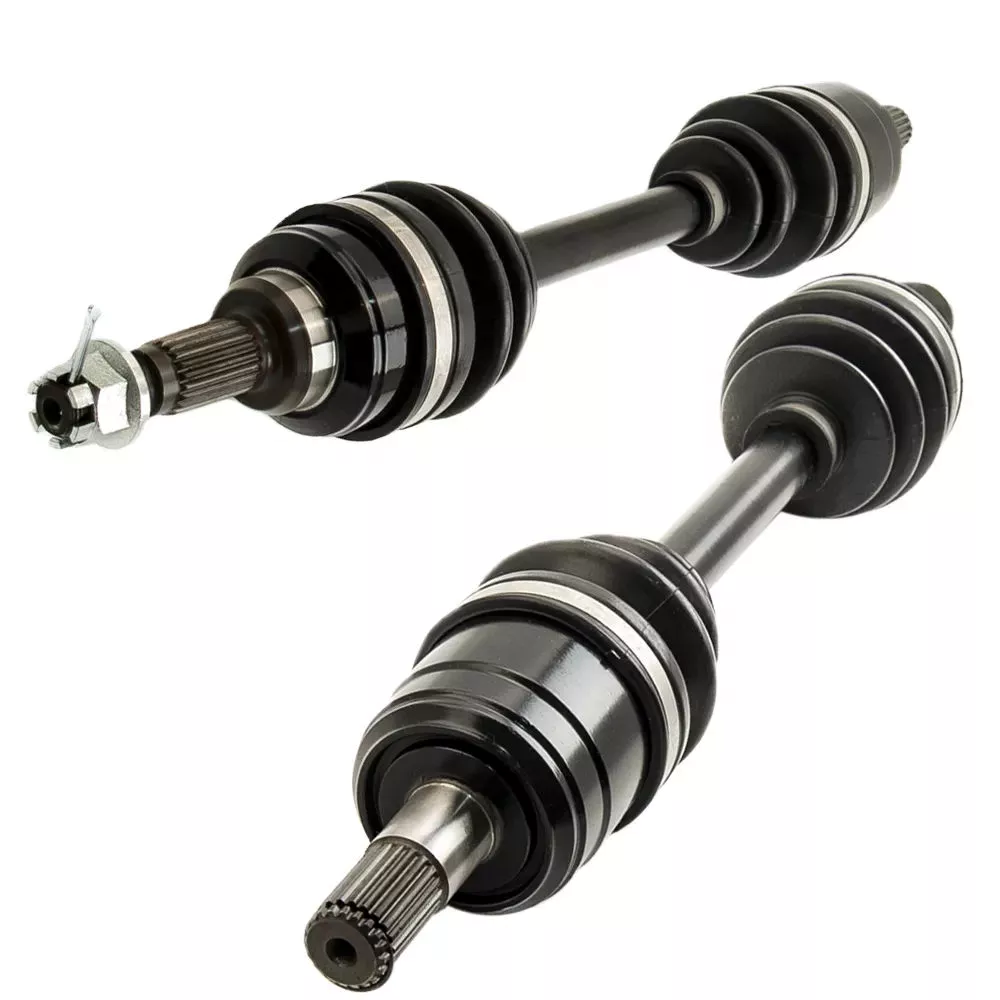
Қозғалтқыш жүйесінің компоненттерін көліктің немесе жабдықтың нақты талаптарына сәйкес реттеуге бола ма?
Иә, жетектің құрамдас бөліктерін көліктің немесе жабдықтың нақты талаптарына сәйкес келтіруге болады. Өндірушілер мен жеткізушілер оңтайлы өнімділікті, үйлесімділікті және әртүрлі көліктермен немесе жабдықтармен интеграцияны қамтамасыз ету үшін теңшеудің бірқатар нұсқаларын ұсынады. Теңшеу жетектің құрамдас бөліктерін белгілі бір қуат блогының конфигурацияларына, жұмыс жағдайларына, момент талаптарына және кеңістік шектеулеріне бейімдеуге мүмкіндік береді. Жетектің құрамдас бөліктерін теңшеудің егжей-тегжейлерін қарастырайық:
1. Қуат блогының конфигурациясы:
Жетек жүйесінің компоненттерін әртүрлі қуат беру жүйесінің конфигурацияларына бейімдеуге болады. Алдыңғы жетекті, артқы жетекті немесе толық жетекті жүйе болсын, өндірушілер белгілі бір конфигурацияның қажетті қуатты бөлу және момент беру сипаттамаларына сәйкес келетін дифференциалдар, беріліс қораптары және жетек біліктері сияқты нақты компоненттерді жобалап, ұсына алады.
2. Айналдыру моменті сыйымдылығы:
Қозғалтқыш жүйесінің компоненттерін белгілі бір момент талаптарын орындау үшін теңшеуге болады. Әр түрлі көліктерде немесе жабдықтарда олардың қолданылуына байланысты әртүрлі момент шығыстары болуы мүмкін. Өндірушілер жолаушылар көліктерінен бастап ауыр жүк көліктеріне немесе техникаға дейінгі әртүрлі қолданбалар үшін сенімді және тиімді қуат берілуін қамтамасыз ету үшін әртүрлі момент басқару мүмкіндіктері бар қозғалтқыш жүйесінің компоненттерін жасап шығара алады.
3. Өлшемі және конфигурациясы:
Қозғалтқыштың құрамдас бөліктерін әртүрлі көлік құралдарының немесе жабдықтардың кеңістік шектеулеріне сәйкес келетіндей етіп өлшемі, пішіні және конфигурациясы бойынша реттеуге болады. Өндірушілер әрбір қолданбаның шектеулі кеңістік немесе арнайы орнату талаптары сияқты бірегей қаптама шектеулері болуы мүмкін екенін түсінеді. Теңшеу арқылы қозғалтқыштың құрамдас бөліктерін осы нақты өлшемдік және қаптама шектеулеріне сәйкес келетіндей етіп жобалауға және өндіруге болады.
4. Материалды таңдау:
Қозғалтқыш компоненттеріне арналған материалдарды таңдау қажетті беріктік, салмақ және төзімділік сипаттамаларына негізделіп реттелуі мүмкін. Әртүрлі көліктер немесе жабдықтар өнімділікті оңтайландыру үшін белгілі бір материалдық қасиеттерді талап етуі мүмкін, мысалы, отын тиімділігін арттыру үшін жеңіл материалдар немесе ауыр жүктемелерге арналған жоғары беріктік қорытпалары. Өндірушілер нақты өнімділік және пайдалану талаптарына сай келетін материалдармен теңшелген қозғалтқыш компоненттерін ұсына алады.
5. Өнімділікті оңтайландыру:
Жетек жүйесінің құрамдас бөліктерін белгілі бір қолданбаларда өнімділікті оңтайландыру үшін теңшеуге болады. Өндірушілер көлік құралының немесе жабдықтың мақсатты пайдаланылуына байланысты үдеуді, тарту күшін, тиімділікті немесе нақты өнімділік атрибуттарын жақсарту үшін беріліс коэффициенттері, дифференциалды конфигурациялар немесе ілінісу сипаттамалары сияқты аспектілерді өзгерте алады. Бұл теңшеу жетегі жүйесінің құрамдас бөліктерінің нақты қолданба үшін қажетті өнімділік сипаттамаларын қамтамасыз ету үшін бейімделуін қамтамасыз етеді.
6. Мамандандырылған қолданбалар:
Жол талғамайтын көліктер, жарыс автомобильдері немесе өнеркәсіптік техника сияқты мамандандырылған қолданбалар үшін жетек компоненттерін сол орталардың бірегей талаптарын қанағаттандыру үшін одан әрі теңшеуге болады. Өндірушілер экстремалды жағдайларға немесе ауыр жұмыс жүктемелеріне төтеп беру үшін жақсартылған салқындату, күшейтілген конструкция немесе момент сыйымдылығын арттыру сияқты мүмкіндіктері бар мамандандырылған жетек компоненттерін жасай алады.
Жалпы алғанда, жетек компоненттерін теңшеу өндірушілерге әртүрлі көліктердің немесе жабдықтардың нақты талаптарын қанағаттандыруға мүмкіндік береді. Қуат блогының конфигурациясынан бастап, айналу моментінің сыйымдылығына, өлшемі мен конфигурациясына, материалды таңдауға, өнімділікті оңтайландыруға және мамандандырылған қолданбаларға дейін, теңшеу жетек компоненттерінің қажетті өнімділікке, үйлесімділікке және белгілі бір көліктермен немесе жабдықтармен интеграцияға қол жеткізу үшін дәл жобаланғанын және жасалғанын қамтамасыз етеді.

Can you explain the components of a typical driveline and their specific roles?
A typical driveline consists of several components that work together to transmit power from the engine or power source to the driven components, enabling motion and providing torque. Each component plays a specific role in the driveline system. Here’s an explanation of the key components of a typical driveline and their specific roles:
1. Engine: The engine is the power source of the driveline system. It converts fuel energy (such as gasoline or diesel) into mechanical power by the process of combustion. The engine generates rotational power, which is transferred to the driveline to initiate power transmission.
2. Transmission: The transmission is responsible for selecting the appropriate gear ratio and transmitting power from the engine to the driven components. It allows the driver or operator to control the speed and torque output of the driveline. In manual transmissions, the driver manually selects the gears, while in automatic transmissions, the gear shifts are controlled by the vehicle’s computer system.
3. Drive Shaft: The drive shaft, also known as a propeller shaft or prop shaft, is a tubular component that transmits rotational power from the transmission to the differential or the driven components. It typically consists of a hollow metal tube with universal joints at both ends to accommodate variations in driveline angles and allow for smooth power transfer.
4. Differential: The differential is a gearbox-like component that distributes power from the drive shaft to the wheels or driven axles while allowing them to rotate at different speeds, particularly during turns. It compensates for the difference in rotational speed between the inner and outer wheels in a turn, ensuring smooth and controlled operation of the driveline system.
5. Axles: Axles are shafts that connect the differential to the wheels. They transmit power from the differential to the wheels, allowing them to rotate and generate motion. In vehicles with independent suspension, each wheel typically has its own axle, while in solid axle configurations, a single axle connects both wheels on an axle assembly.
6. Clutch: In manual transmission systems, a clutch is employed to engage or disengage the engine’s power from the driveline. It allows the driver to smoothly engage the engine’s power to the transmission when shifting gears or coming to a stop. By disengaging the clutch, power transmission to the driveline is temporarily interrupted, enabling gear changes or vehicle stationary positions.
7. Torque Converter: Torque converters are used in automatic transmissions to transfer power from the engine to the transmission. They provide a fluid coupling between the engine and transmission, allowing for smooth power transmission and torque multiplication. The torque converter also provides a torque amplification effect, which helps in vehicle acceleration.
8. Universal Joints: Universal joints, also known as U-joints, are flexible couplings used in the driveline to accommodate variations in angles and misalignments between the components. They allow for the smooth transmission of power between the drive shaft and other components, compensating for changes in driveline angles during vehicle operation or suspension movement.
9. Constant Velocity Joints (CV Joints): CV joints are specialized joints used in some drivelines, particularly in front-wheel-drive and all-wheel-drive vehicles. They enable smooth power transmission while accommodating variations in angles and allowing the wheels to turn at different speeds. CV joints maintain a constant velocity during rotation, minimizing vibrations and power losses.
10. Transfer Case: A transfer case is a component found in four-wheel-drive and all-wheel-drive systems. It transfers power from the transmission to both the front and rear axles, allowing all wheels to receive power. The transfer case usually includes additional components such as a multi-speed gearbox and differential mechanisms to distribute power effectively to the axles.
These are the key components of a typical driveline and their specific roles. Each component is crucial in transferring power, enabling motion, and ensuring the smooth and efficient operation of vehicles and equipment.


editor by CX 2024-04-23